
Case Study
Odisha’s ₹210 Crore Push for Women Workforce Housing

Written by
Ishika Pannu
Read Time
3 min read
Posted on
June 9, 2026
Overview
Odisha’s ₹210 Crore Push for Women Workforce Housing
India’s textile and apparel sector is growing quickly. New factories, investments, and employment opportunities are being announced across several states. But creating jobs is only part of the equation.
As industrial hubs expand, another challenge is becoming harder to ignore: workforce accommodation. Without safe and accessible housing, attracting and retaining workers becomes far more difficult. This is especially true in industries where women make up a large share of the workforce.
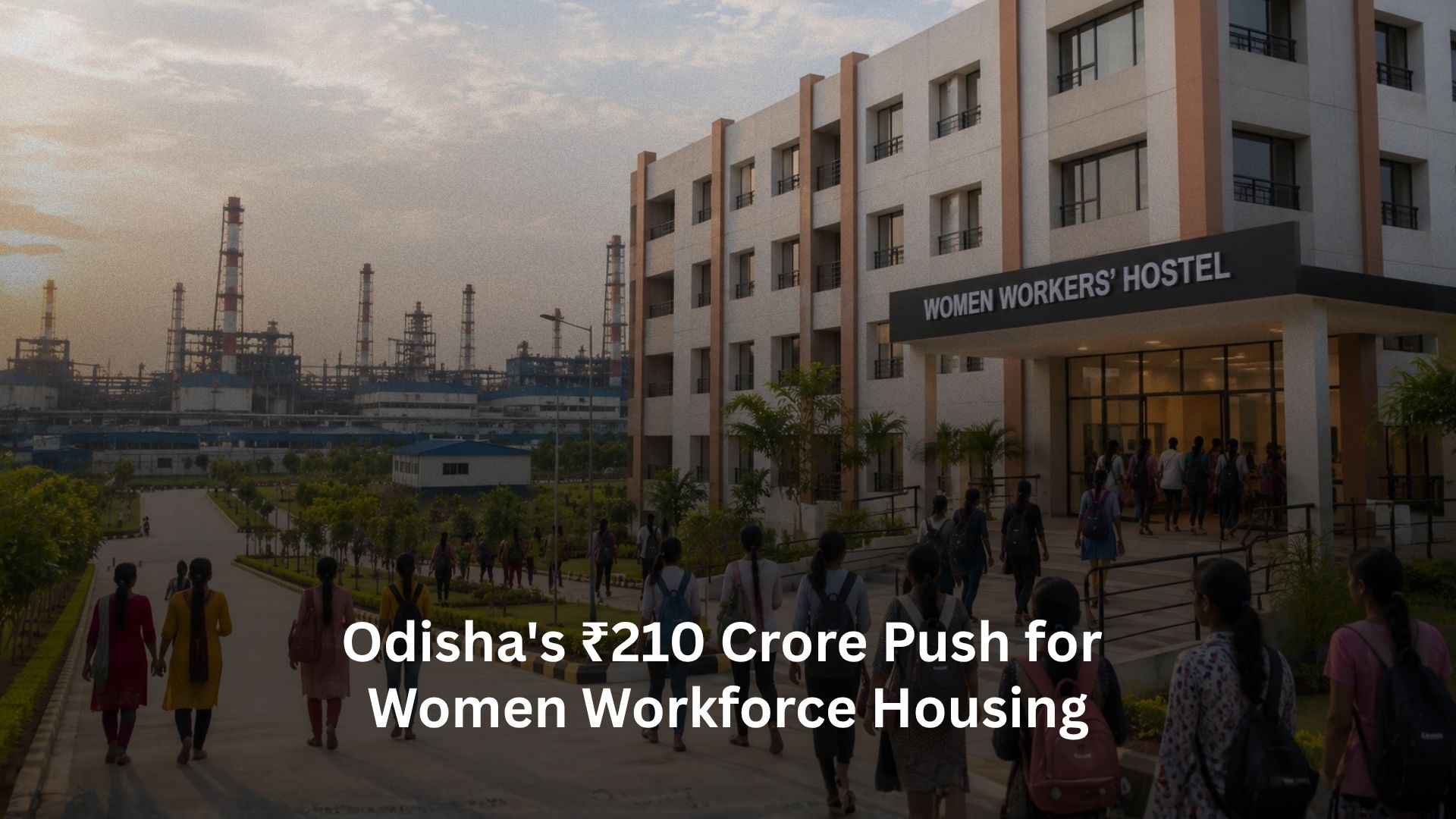
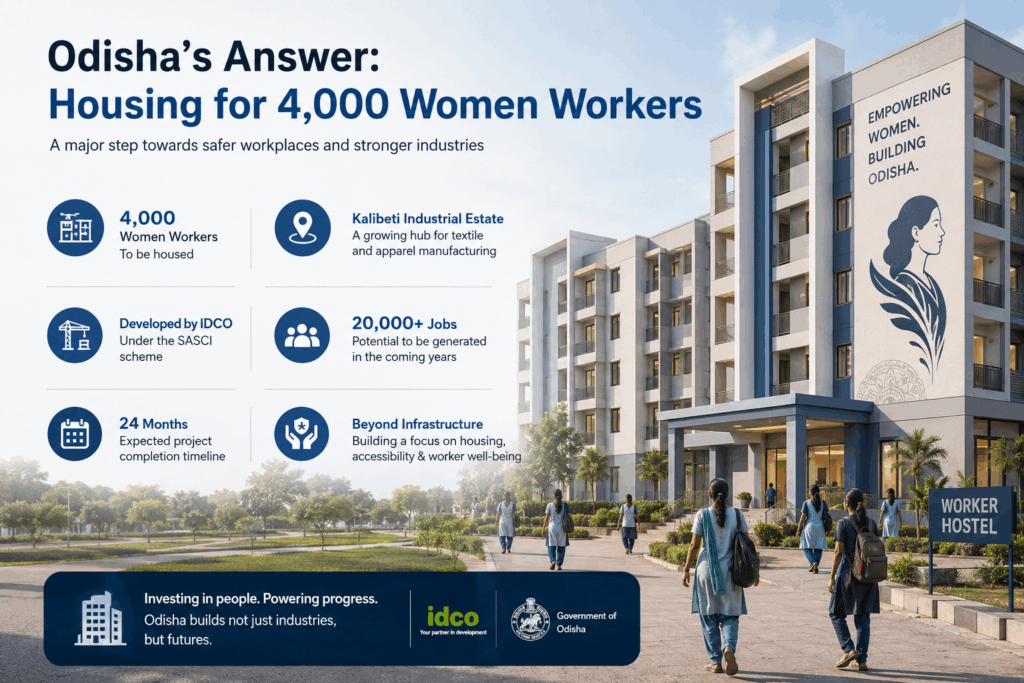
Recognizing this need, the Odisha Cabinet has approved a dedicated women workers’ hostel at the Kalibeti Industrial Estate in Khurda district. The project is estimated to cost ₹210.36 crore and will accommodate up to 4,000 women workers employed in the state’s growing textile and apparel sector.
The Challenge Behind Industrial Growth
When a new manufacturing hub is announced, most conversations focus on investment figures and job creation. However, workforce housing rarely receives the same attention.
For many employees, especially those relocating for work, finding suitable accommodation can be a major challenge. Long commutes, rising living costs, and safety concerns often affect workforce participation.
This becomes even more important in the textile and apparel industry. Women account for nearly 60% to 70% of the workforce in many textile operations. Creating employment opportunities is important, but ensuring workers have access to safe housing is equally critical.
As industries expand, workforce accommodation is no longer being viewed as a support service. It is increasingly becoming a part of the infrastructure required to sustain growth.
Odisha’s Answer: Housing for 4,000 Women Workers
To address this challenge, Odisha has approved one of the region’s larger workforce housing initiatives.
The hostel will be developed by the Industrial Infrastructure Development Corporation of Odisha (IDCO) under the Special Assistance to States for Capital Investment (SASCI) scheme. The project is expected to be completed within 24 months.
Its location is equally important. The Kalibeti Industrial Estate has emerged as a key destination for textile and apparel manufacturing. It already hosts companies such as MAS Holdings, EPIC, and Indian Stitches.
State officials estimate that the industrial estate could generate more than 20,000 jobs in the coming years. A large accommodation facility can help support that growth by reducing commuting challenges and providing a safer living environment for workers.
The project also highlights a broader shift in industrial planning. Governments are increasingly looking beyond factories and production units. Housing, accessibility, and worker well-being are becoming important parts of development strategies.
What This Means for the Future
The Odisha hostel project is about more than constructing a building. It reflects a changing approach to workforce development.
As competition for talent increases, industries will need to think beyond wages and employment opportunities. Workers also need access to reliable housing, safe living conditions, and supportive infrastructure.
This is likely to become a growing trend across manufacturing sectors. States that invest in workforce accommodation may find themselves better positioned to attract both businesses and talent.
For operators managing hostels and workforce housing facilities, this also creates new opportunities. As occupancy levels increase, organized systems for resident management, maintenance, and communication become increasingly important. Platforms like RentOK help accommodation operators manage these growing facilities more efficiently.
Final Thoughts
For years, industrial development was measured by the number of factories built and jobs created. The Odisha women’s hostel project signals a broader shift in thinking, where workforce accommodation is no longer viewed as a supporting facility but as essential infrastructure for industries that depend on a large and stable workforce.
As these large-scale accommodation projects become more common, the focus will not only be on building them but also on managing them efficiently. From occupancy and resident records to maintenance and day-to-day operations, technology is expected to play a growing role in keeping such facilities organized and scalable. This is where platforms like RentOk can support accommodation operators with more structured management processes.
The message is clear: sustainable industrial growth requires investment not only in businesses, but also in the people who power them.
About the Author
Ishika Pannu
Ishika Pannu brings you the latest insights and easy-to-apply strategies in property management—helping you simplify renting and grow with RentOk.