Market Trends
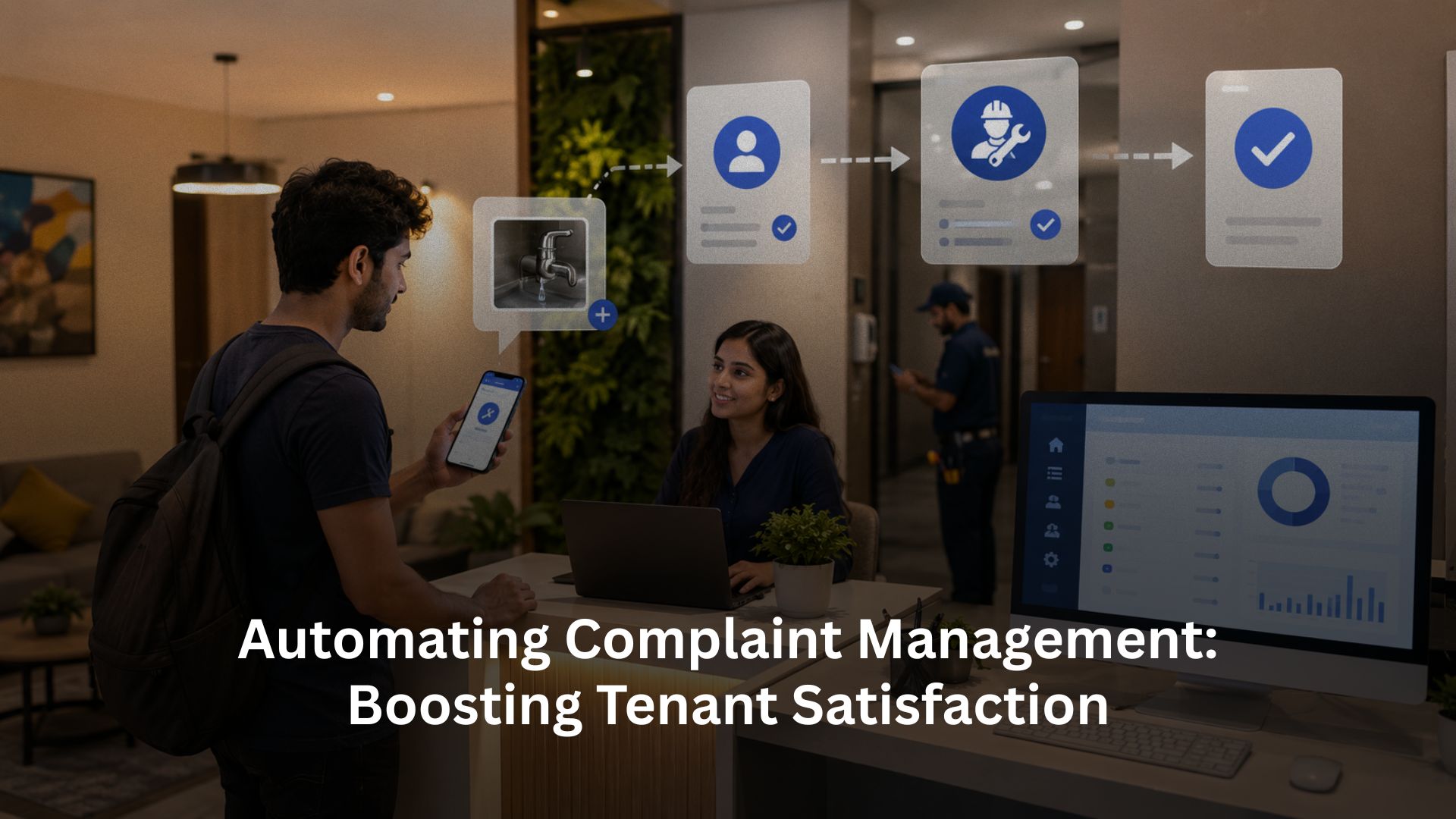
Automating Complaint Management: Boosting Tenant Satisfaction

Written by
Ishika Pannu
Read Time
9 min read
Posted on
May 11, 2026
Overview
Overview
Automating Complaint Management: Boosting Tenant Satisfaction
Every rental property faces complaints. That is not the problem.
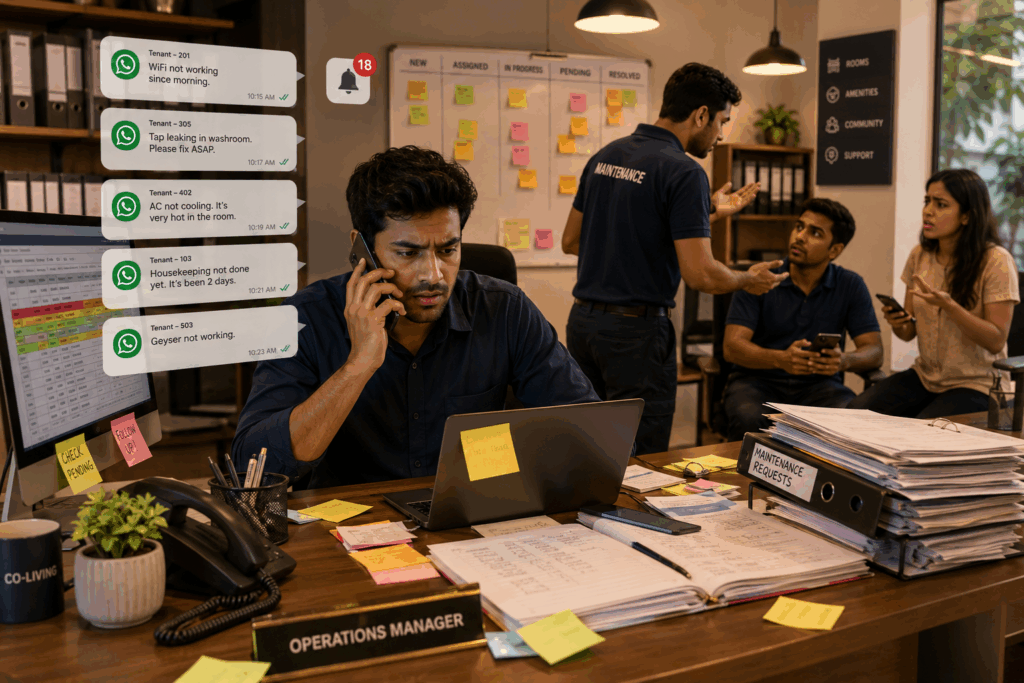
The real problem begins when complaint handling becomes inconsistent, reactive, and dependent on scattered communication. In many PGs and co-living spaces, tenant complaints are still managed through WhatsApp messages, missed calls, verbal updates, and manual follow-ups. Initially, this may feel manageable because occupancy is lower and operations are simpler. But as properties scale, these fragmented systems begin creating operational pressure very quickly.
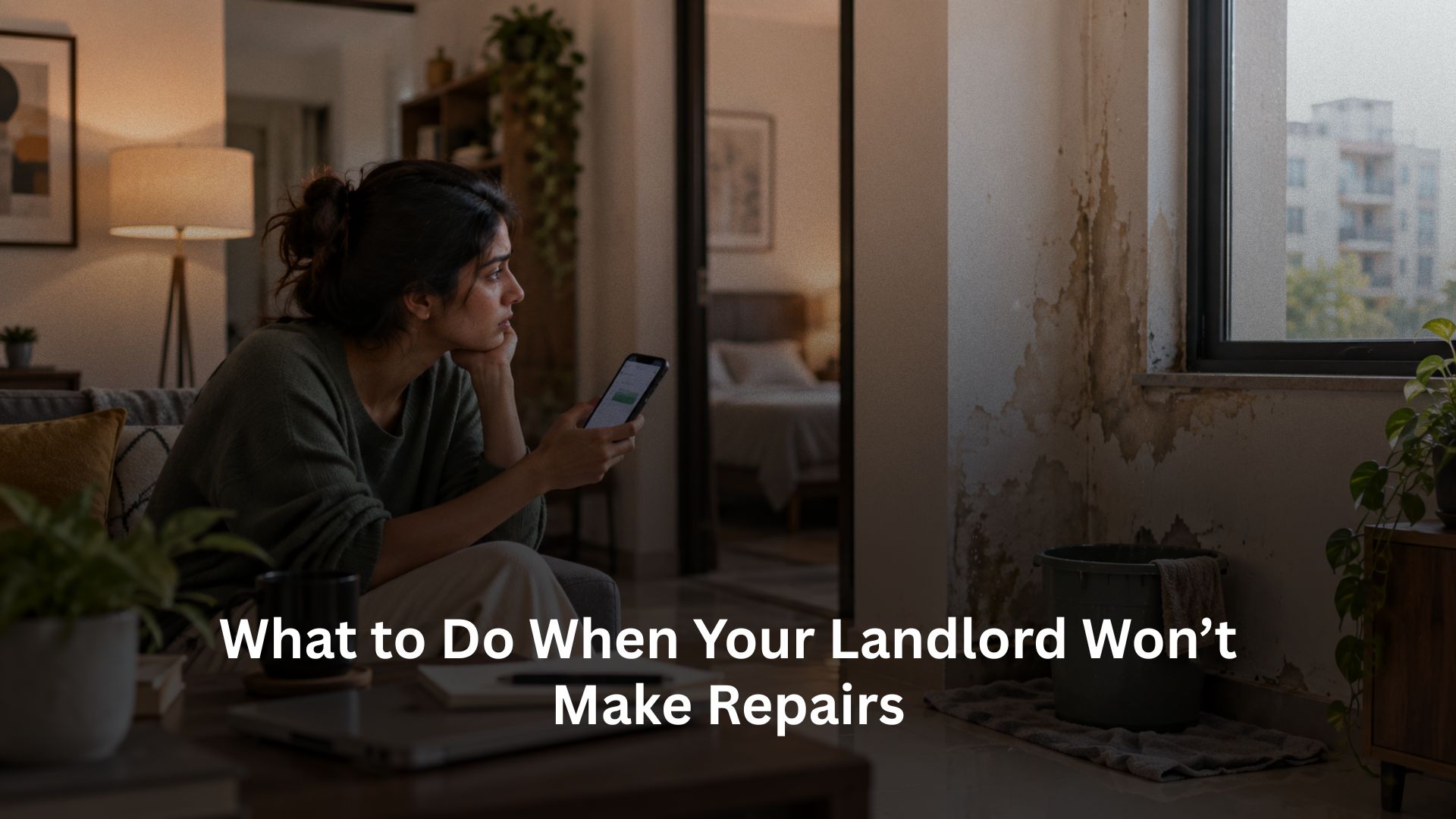
A tenant reports an internet issue. Another follows up about housekeeping delays. Someone else complains about a leaking washroom tap. The manager forwards the request to maintenance staff, but the update never reaches the tenant. Two days later, the same resident follows up again, now frustrated not only because the issue still exists, but because there is no clarity around whether anybody is actually handling it.
This is where tenant satisfaction starts dropping.
In modern rental housing, residents understand that operational issues can happen occasionally. What they evaluate more seriously is how professionally the management responds when something goes wrong. A delayed response, poor communication, or repeated follow-ups create far more frustration than the maintenance issue itself.
This is why complaint management has become one of the most important operational functions inside PGs, hostels, and co-living spaces. It directly affects:
- tenant retention and renewal rates because residents are more likely to continue staying in properties where operational issues are handled professionally and transparently.
- online reputation and word-of-mouth referrals since unresolved complaints often become public reviews and discussions among students or working professionals.
- staff productivity because maintenance teams working without structured workflows usually end up dealing with repeated escalations instead of systematic task resolution.
- operational efficiency as managers spend unnecessary time coordinating manually instead of focusing on larger property-level improvements.
The challenge is that manual complaint handling simply does not scale efficiently anymore.
Why Traditional Complaint Handling Systems Fail as Occupancy Grows
Most rental operators don’t realize that complaint management problems are actually workflow problems.
In smaller properties, manual coordination works because the manager personally remembers most requests. But once occupancy increases across:
- multiple floors,
- multiple maintenance categories,
- housekeeping teams,
- and tenant communication channels,
the entire process starts depending too heavily on memory and constant follow-up.
That creates operational blind spots.
For example, imagine a property handling 40–50 complaints every week. Without a centralized tracking system:
- some complaints remain unresolved because they were never assigned properly.
- some get delayed because maintenance staff prioritize tasks informally rather than systematically.
- some are technically resolved, but tenants never receive communication updates.
- some become repeated complaints because the root issue was never tracked properly.
Over time, the property starts operating reactively instead of operationally.
This is one of the biggest differences between traditional rental management and professionally managed co-living operations today. The more organized operators no longer treat complaints as isolated problems. They treat them as trackable operational workflows.
That shift changes everything.
Why Tenants Care About Transparency Almost as Much as Resolution
One mistake many operators make is assuming tenants only care about quick fixes.
In reality, tenants care just as much about visibility.
When residents know:
- their complaint has been acknowledged,
- somebody specific is handling it,
- progress is being tracked,
- and there is a realistic resolution timeline,
they are usually far more cooperative and patient.
The frustration comes from uncertainty.
A tenant becomes irritated when they feel ignored or when they have to repeatedly ask:
- “Did anybody check this issue?”
- “Who is responsible for resolving it?”
- “Will I need to follow up again tomorrow?”
- “Why is there no update after two days?”
Poor communication amplifies operational dissatisfaction far more than most managers realize.
This is why automated complaint systems improve tenant satisfaction even before the issue is resolved completely. Structured communication creates confidence that the management is organized and responsive.
What Automated Complaint Management Actually Means
Many people assume complaint automation simply means creating a digital ticket.
In reality, modern tenant complaint software functions as a complete operational coordination system.
A proper maintenance ticket workflow helps properties:
- centralize complaint tracking instead of depending on scattered chats and calls.
- assign issues automatically to the right maintenance or housekeeping teams.
- prioritize complaints based on urgency and operational impact.
- track response times and pending resolutions systematically.
- escalate unresolved complaints before they become tenant conflicts.
- maintain transparent communication between residents and management.
Instead of complaints moving randomly between people, they move through defined operational stages.
That structure improves consistency significantly.
And consistency is what tenants remember most.
The Importance of Maintenance Ticket Systems in Co-Living Operations
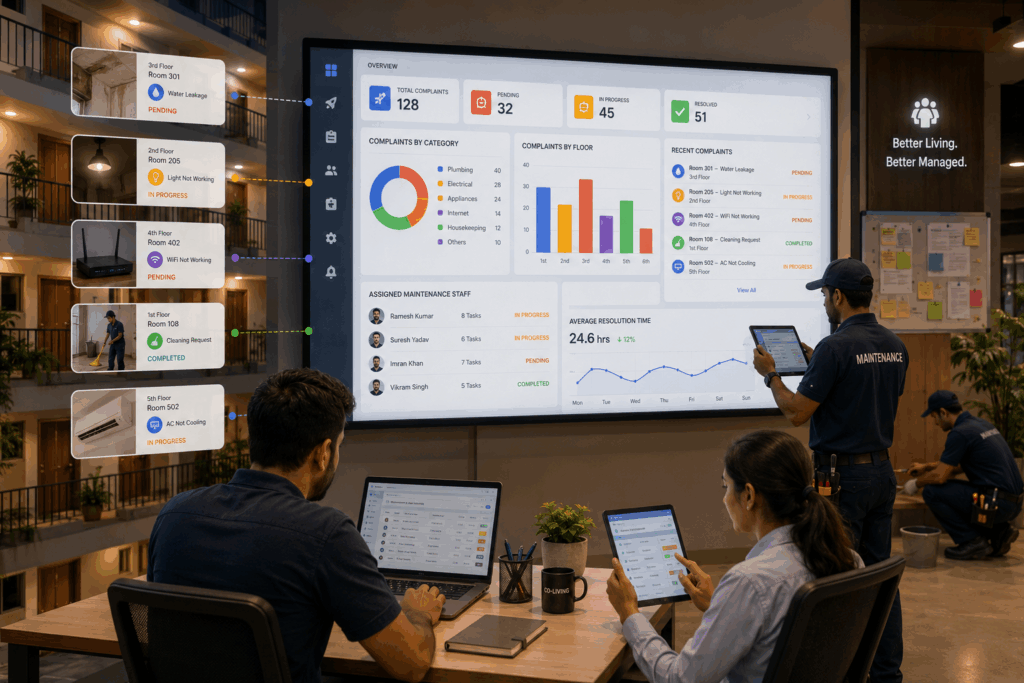
One of the biggest operational advantages of a maintenance ticket system is visibility.
Without centralized complaint tracking, managers constantly struggle to answer basic operational questions:
- Which complaints are still pending?
- Which maintenance staff member is handling them?
- How long has the complaint been open?
- Has the tenant received an update?
- Is this issue recurring repeatedly?
When all complaints are logged systematically, these answers become instantly visible.
This changes complaint management from:
“trying to remember everything”
to:
“managing workflows with clarity.”
For larger PGs and co-living properties, this operational visibility becomes extremely important because maintenance complexity increases rapidly with occupancy.
A structured complaint management system also creates accountability naturally. Since every issue remains logged with timestamps and assignment tracking, teams become more disciplined about follow-ups and resolution timelines.
Why Response Time Tracking Improves Tenant Experience
Most operators think they resolve complaints “fairly quickly.”
But without proper tracking, response quality usually depends on assumptions rather than actual operational data.
Response time tracking helps properties identify:
- which complaint categories take the longest to resolve.
- which teams consistently delay maintenance requests.
- which types of complaints occur most frequently.
- where operational bottlenecks are slowing down resolution workflows.
This becomes especially important because not all complaints carry the same urgency.
For example:
| Complaint Category | Operational Priority | Expected Response |
|---|---|---|
| Water or electricity failure | Critical because it directly affects habitability | Immediate response required |
| Internet connectivity issues | High priority in student and working professional PGs | Same-day resolution expected |
| Housekeeping complaints | Important for tenant comfort and hygiene perception | Few-hour turnaround ideal |
| Appliance repair requests | Medium priority but impacts resident convenience | 24–48 hour resolution |
| Furniture or minor repair requests | Lower urgency but still important operationally | Scheduled resolution acceptable |
Without categorization systems, properties often treat all complaints similarly, which creates avoidable tenant dissatisfaction.
Structured complaint workflows allow operators to prioritize intelligently instead of react emotionally.
Why Escalation Systems Are Necessary
One of the biggest operational weaknesses in manual complaint handling is stagnation.
Complaints remain unresolved simply because nobody notices delays early enough.
This is where escalation systems become critical.
An escalation matrix ensures unresolved complaints automatically move upward if predefined response timelines are crossed. Instead of depending entirely on tenants to keep reminding management, the system itself identifies operational delays proactively.
This improves:
- accountability because unresolved issues cannot remain invisible indefinitely.
- management visibility since supervisors can quickly identify bottlenecks.
- tenant confidence because residents see structured follow-up processes in place.
- operational consistency as response standards become measurable rather than subjective.
Escalation workflows are especially important in larger properties where multiple staff members handle:
- maintenance,
- housekeeping,
- security,
- and operational support simultaneously.
Without escalation systems, unresolved complaints often disappear inside day-to-day operational chaos.
The Hidden Business Cost of Poor Complaint Management
Many rental operators focus heavily on:
- occupancy growth,
- pricing strategies,
- interior upgrades,
- and marketing campaigns,
while underestimating the long-term financial impact of poor operational responsiveness.
But unresolved complaints quietly damage business performance in multiple ways.
Poor complaint handling increases:
- tenant churn because frustrated residents are less likely to renew.
- negative reviews that reduce inquiry conversion rates.
- staff pressure due to repeated escalations and reactive coordination.
- operational inefficiency as teams spend more time handling frustration than solving issues.
- referral loss because dissatisfied tenants rarely recommend the property to friends or colleagues.
In today’s rental market, operational reputation spreads quickly through:
- Google reviews,
- student groups,
- WhatsApp communities,
- social media,
- and word-of-mouth recommendations.
This means tenant experience is no longer separate from business growth.
It directly influences it.
Why Modern Co-Living Brands Prioritize Complaint Automation
The strongest co-living operators today don’t just invest in:
- interiors,
- amenities,
- or branding.
They invest heavily in operational systems.
Because ultimately, tenant experience is shaped more by daily living convenience than marketing promises.
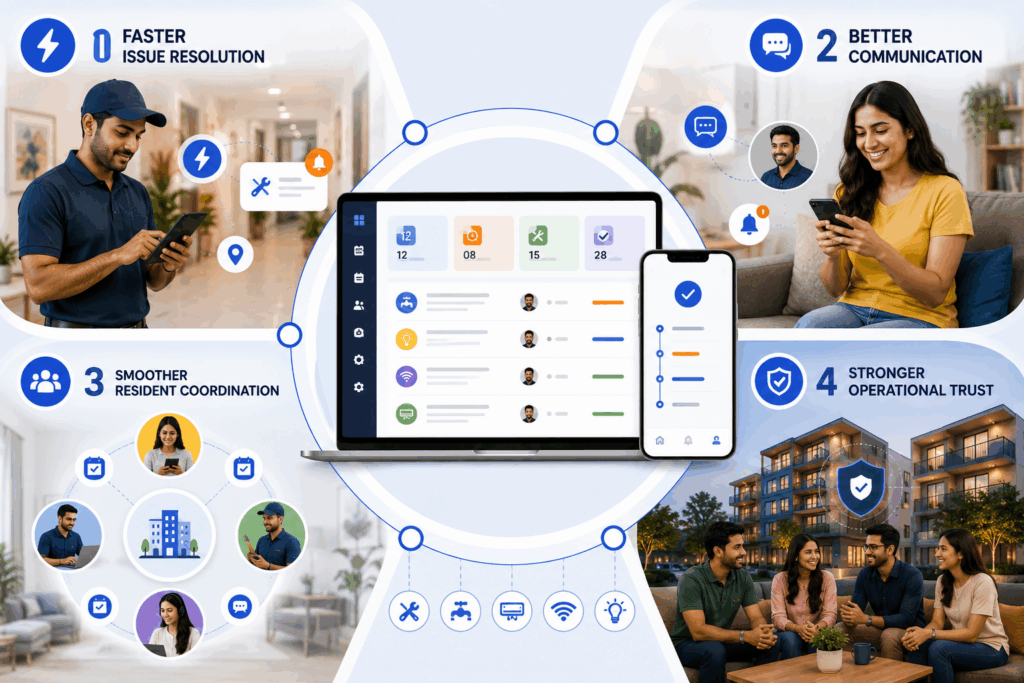
Properties with structured complaint management systems usually create:
- faster issue resolution,
- better communication,
- smoother resident coordination,
- and stronger operational trust.
This operational reliability becomes a major competitive advantage in high-density rental markets where tenants increasingly compare not just rooms, but the quality of management itself.
And as tenant expectations continue evolving, professional complaint handling is becoming a baseline expectation rather than a premium feature.
How RentOk Helps Streamline Complaint Management
As rental operations grow, managing complaints manually through calls, chats, and spreadsheets becomes increasingly difficult. Teams struggle with scattered communication, inconsistent follow-ups, and limited visibility into pending issues. Over time, this creates operational confusion that affects both tenants and staff productivity.
RentOk helps operators create a more structured complaint management workflow by centralizing operational coordination into one organized platform.
With RentOk, operators can:
- maintain centralized complaint records without depending on fragmented communication channels.
- streamline coordination between management, housekeeping, and maintenance teams.
- improve complaint visibility and track pending resolutions more efficiently.
- monitor operational workflows systematically instead of relying on manual follow-ups.
- create more transparent communication processes for tenants and internal teams alike.
This operational clarity becomes especially valuable for growing PGs and co-living spaces where complaint volumes increase rapidly with occupancy. Structured systems reduce operational chaos while improving tenant confidence in the management process.
Final Thoughts
Complaint management is no longer just a support activity in rental housing.
It has become one of the clearest indicators of operational quality.
Modern tenants understand that maintenance issues can happen anywhere. What they judge more critically is:
- how professionally the issue is handled,
- how transparently communication happens,
- and how consistently the management responds.
This is why automated complaint management is becoming essential for modern PGs and co-living businesses. It transforms complaint handling from reactive coordination into structured operational workflows with accountability, visibility, and measurable efficiency.
And in competitive rental markets, properties that deliver smoother operational experiences will always build:
- stronger tenant trust,
- better retention,
- higher referrals,
- and more scalable operations over time.
If you want to simplify complaint tracking, improve tenant satisfaction, and create more structured property operations, book a demo with RentOk now and discover how organized management systems can help your rental business operate more efficiently.
About the Author
Ishika Pannu
Ishika Pannu brings you the latest insights and easy-to-apply strategies in property management—helping you simplify renting and grow with RentOk.