Market Trends
Equipment Rental Management Software: Adapting for Properties

Written by
Ishika Pannu
Read Time
7 min read
Posted on
April 14, 2026
Overview
Overview
Equipment Rental Management Software: Adapting for Properties
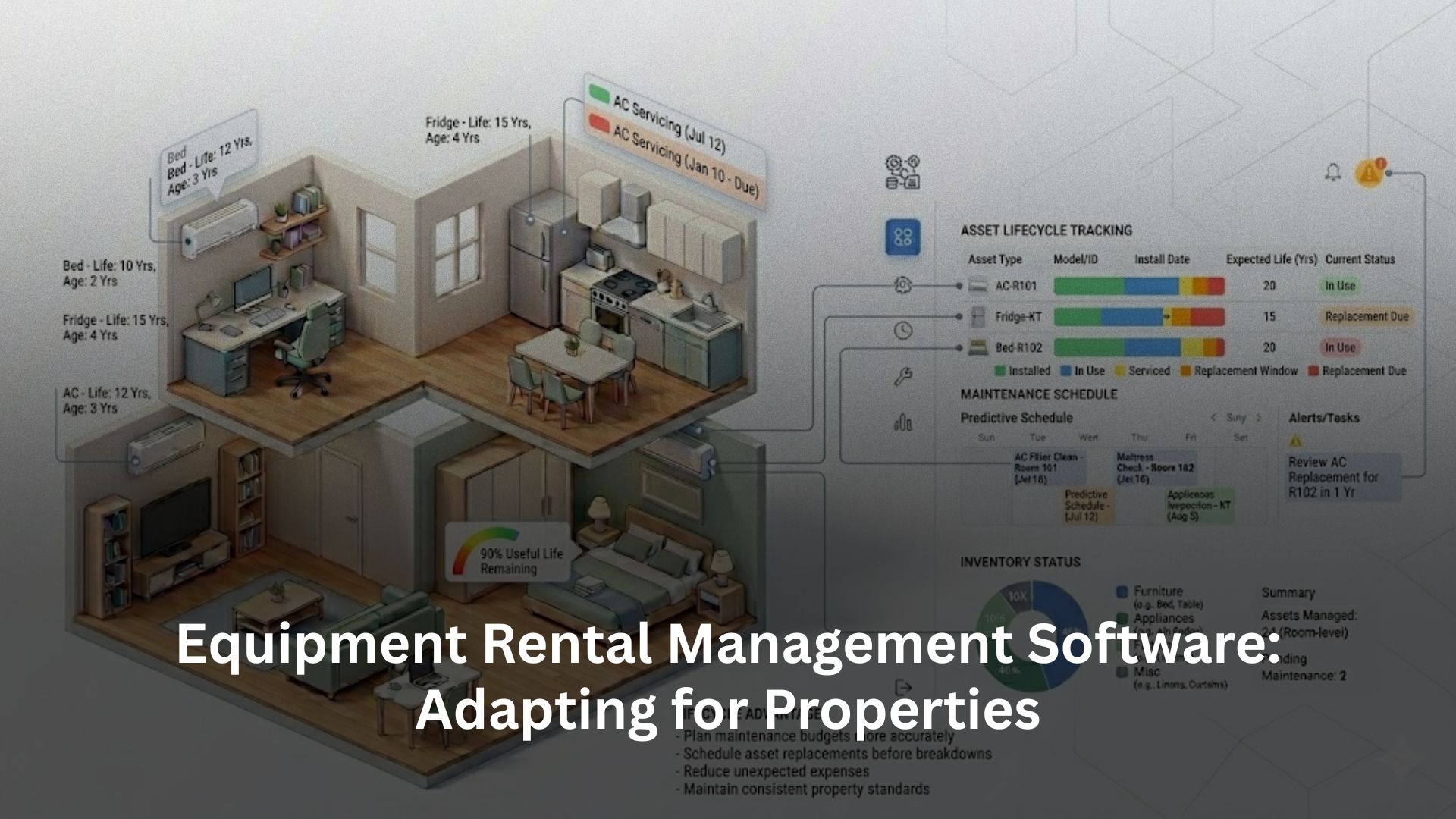
Equipment rental businesses have long relied on structured systems to track assets, manage usage, and monitor maintenance. Interestingly, many of these same principles apply directly to rental properties, especially PGs, co-living spaces, serviced apartments, and furnished rentals.
From air conditioners and refrigerators to beds and wardrobes, rental properties operate with multiple assets that require tracking, maintenance, and lifecycle planning. Yet many property operators still rely on spreadsheets or manual checks, which quickly become difficult to manage as operations grow.
This is why more landlords and operators are now exploring equipment rental management software concepts for property management. While these tools were originally built for tracking machinery and rental equipment, their asset-focused approach fits naturally into property operations.
Understanding how these systems work, and how they can be adapted for property management, can help operators bring more structure, reduce maintenance costs, and improve operational efficiency.
Why Asset Management Matters More in Modern Rental Properties
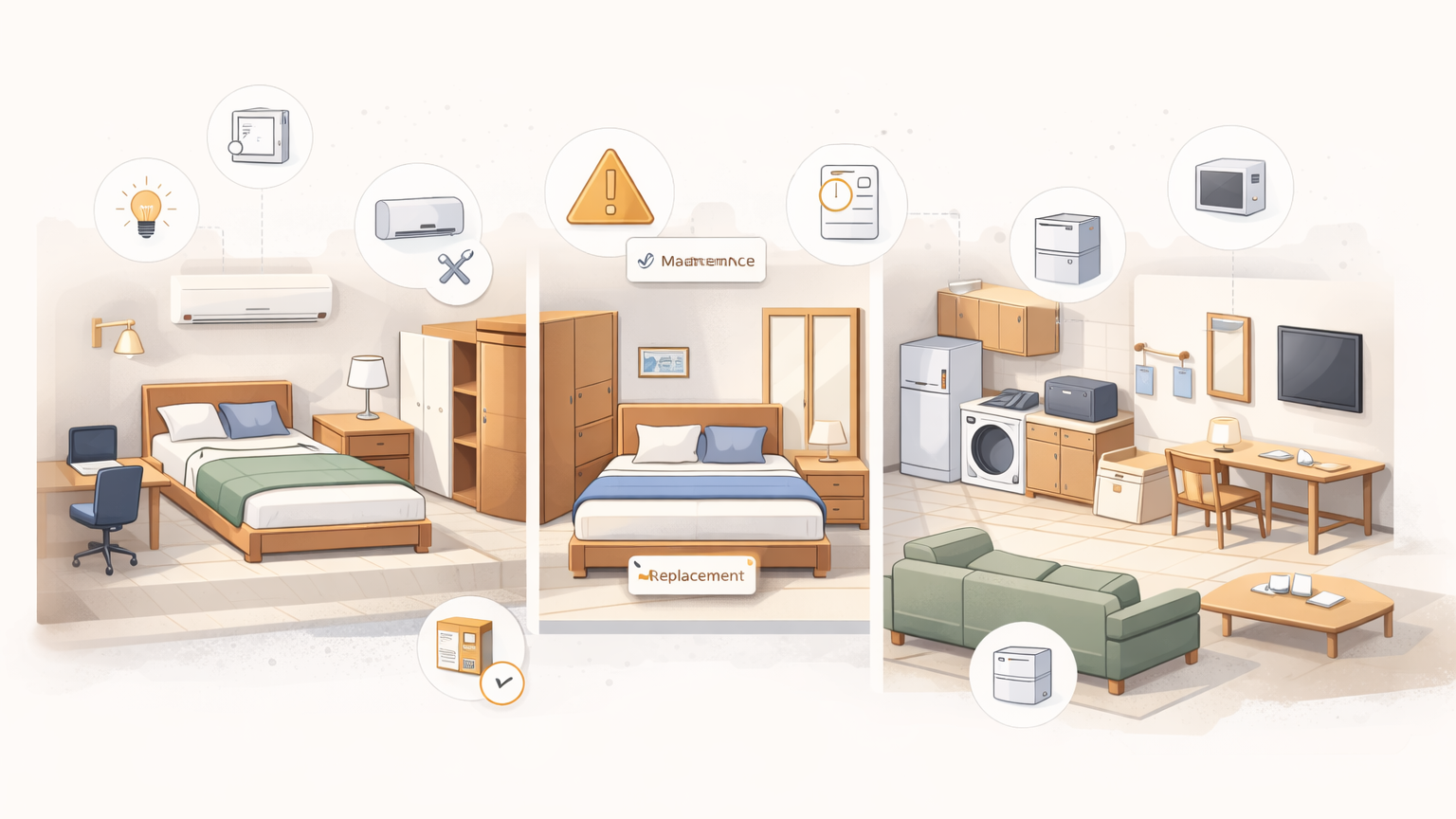
Rental properties today are far more asset-heavy than traditional rental setups. Furnished rentals, co-living spaces, and PG accommodations include multiple physical assets that directly affect tenant experience and operational costs.
For example, a single room in a furnished property often includes multiple items that require tracking and maintenance:
- A bed and mattress that may need replacement after continuous usage
- Wardrobes and storage units that experience wear and tear over time
- Air conditioners or fans that require periodic servicing and maintenance
- Study tables and chairs that often need repairs or replacements
- Curtains, lighting fixtures, and electrical fittings that require regular checks
Now multiply this across 50, 100, or even 500 rooms. Managing these assets manually quickly becomes inefficient.
Without structured asset tracking, property operators often struggle with questions like:
- Which rooms recently received new mattresses?
- Which AC units were serviced last month?
- Which properties have missing inventory?
- Which assets need replacement soon?
When this information isn’t easily available, operators rely on manual checks, which increases workload and delays decision-making.
This is where best equipment rental software concepts help introduce structure and clarity into property asset management.
How Equipment Rental Management Software Works
Equipment rental management software is designed to track physical assets across multiple locations and monitor their lifecycle. These systems are commonly used in industries where assets move frequently and require maintenance.
The same approach works effectively for rental properties.
Typically, equipment rental systems help track:
- Asset availability across different locations and rooms
- Maintenance schedules to prevent unexpected breakdowns
- Usage history to understand how frequently assets are used
- Lifecycle tracking from purchase to replacement planning
Instead of simply listing assets, these systems actively manage them.
For example, instead of knowing that you own 50 air conditioners, you can track:
- Where each unit is installed across properties
- When each unit was last serviced or repaired
- The current condition and maintenance history
- When replacement might be required
This level of visibility significantly improves operational efficiency and reduces manual coordination.
Asset Management in PGs and Furnished Properties
PG operators and furnished rental managers deal with frequent tenant movement. This makes asset tracking even more important, as items are used regularly and require monitoring.
When tenants move in or out, operators need to verify room inventory. Without structured tracking, this process becomes time-consuming and inconsistent.
A structured asset management approach helps operators:
- Map assets to specific rooms so inventory remains consistent across properties
- Track asset condition during move-ins and move-outs to avoid disputes
- Monitor asset usage across multiple tenants over time
- Maintain maintenance history for appliances and furniture
This structured approach improves operational consistency and reduces manual effort.
Instead of checking rooms physically every time, operators can quickly review asset details and identify discrepancies.
Tracking Maintenance Schedules for Property Assets
Maintenance is one of the biggest operational challenges in rental properties. Assets like air conditioners, refrigerators, and water purifiers require periodic servicing.
Without maintenance tracking, operators often rely on tenant complaints. This reactive approach leads to:
- Unexpected breakdowns that disrupt tenant experience
- Higher repair costs due to delayed servicing
- Emergency maintenance situations that increase operational stress
- Inconsistent property quality across locations
Equipment-style management systems introduce preventive maintenance tracking.
For example, property operators can schedule:
- AC servicing every six months to ensure performance and longevity
- Water purifier maintenance to maintain hygiene standards
- Furniture inspections to identify wear and tear early
- Electrical checks to prevent safety issues
By scheduling maintenance in advance, operators move from reactive to proactive management.
Over time, maintenance tracking also helps identify recurring issues. If a particular appliance frequently requires repairs, replacing it may be more cost-effective.
This type of insight becomes possible only with structured asset tracking.
Lifecycle Tracking for Property Assets
Every asset in a rental property has a lifecycle. From installation to replacement, tracking this lifecycle helps operators plan expenses and maintain property quality.
For example:
- Mattresses may require replacement after consistent usage
- AC units may need servicing regularly and replacement after several years
- Furniture may require periodic repairs depending on usage
- Appliances may lose efficiency over time and need upgrades
By tracking installation dates and maintenance history, operators can anticipate replacement timelines.
This helps with:
- Planning maintenance budgets more accurately
- Scheduling asset replacements before breakdowns occur
- Reducing unexpected expenses that disrupt operations
- Maintaining consistent property standards
Lifecycle tracking transforms asset management from reactive maintenance to strategic planning.

Why Traditional Property Management Tools Miss Asset Tracking
Many traditional property management tools focus primarily on tenants, rent collection, and agreements. While these are essential, asset tracking is often limited.
This creates operational gaps such as:
- No room-level inventory tracking for furnished properties
- Missing asset history that makes maintenance difficult
- No visibility into upcoming maintenance requirements
- Inconsistent room setups across properties
For furnished rentals and PGs, this becomes a significant challenge.
Adopting equipment rental management concepts helps fill this gap by introducing asset-level visibility.
This ensures that assets are managed alongside tenants, not separately.
Using Equipment Software Concepts for Property Assets
Adapting equipment rental software principles to property management involves a few key concepts.
Asset tagging allows operators to assign assets to specific rooms or properties, making it easier to track their location and usage.
Maintenance scheduling ensures assets are serviced regularly and prevents sudden breakdowns.
Condition tracking helps operators monitor asset quality during inspections or tenant transitions.
Replacement planning allows operators to track asset lifecycles and prepare for upgrades.
Together, these concepts create a structured asset management workflow that improves operational efficiency.
Benefits of Structured Asset Tracking for Property Operators
Adopting equipment-style asset management provides multiple operational benefits.
- Improved visibility across properties helps operators track assets without manual checks
- Preventive maintenance reduces expensive repairs and emergency breakdowns
- Consistent asset tracking improves tenant experience across properties
- Faster move-in and move-out checks reduce operational delays
- Lifecycle tracking improves budgeting and planning
These benefits become more noticeable as rental operations expand.
When Equipment-Style Management Makes the Most Sense
Equipment-style asset management becomes particularly useful when managing furnished rental properties.
It is especially helpful when:
- Properties include multiple furnished rooms that require consistent setups
- Tenant turnover is frequent and inventory checks are common
- Multiple locations require centralized asset visibility
- Maintenance coordination becomes difficult across properties
In these situations, structured asset tracking significantly improves efficiency.
How RentOk Adapts Equipment-Style Asset Management for Properties
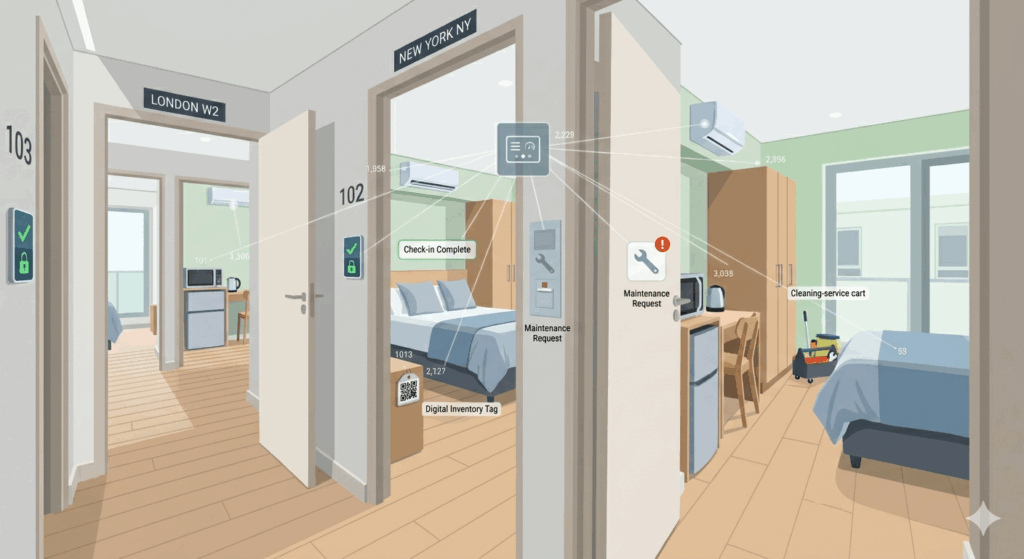
While traditional equipment rental software may not fit property workflows completely, RentOk adapts these concepts specifically for property management.
RentOk helps operators manage room-level assets alongside tenants and leases.
With RentOk, you can:
- Track room-level assets across properties with clear visibility
- Monitor maintenance requirements and service schedules
- Maintain structured inventory records for furnished properties
- Link assets directly to rooms and tenants
- Maintain consistent room setups across locations
This integrated approach simplifies asset management and reduces operational complexity.
Bringing Equipment-Level Asset Management to Properties
Equipment rental management software introduced structured asset tracking long ago. Applying the same principles to rental properties helps operators manage assets more efficiently.
When assets, maintenance, and inventory are tracked properly, property operations become smoother and more predictable.
If you’re managing furnished rentals, PGs, or co-living spaces, adopting asset-focused management can significantly improve operational clarity.
About the Author
Ishika Pannu
Ishika Pannu brings you the latest insights and easy-to-apply strategies in property management—helping you simplify renting and grow with RentOk.