
Market Trends
Free Rent Collection Software: Pros, Cons, and Limitations

Written by
Ishika Pannu
Read Time
4 min read
Posted on
March 24, 2026
Overview
Overview
Free Rent Collection Software: Pros, Cons, and Limitations
“Free” sounds like an easy decision.
When you’re managing rentals, avoiding extra costs feels practical, especially when tools promise to handle rent collection without charging anything.
And in the beginning, these tools do help. They introduce structure, reduce manual work, and make operations feel more organized.
But over time, most landlords notice a pattern:
Free tools don’t fail suddenly.
They slowly stop being enough.
What starts as a solution eventually becomes a limitation, and by then, your entire workflow is built around it.
The Appeal of Free Tools
For someone just starting out, free tools make complete sense.
You don’t want to invest in systems when:
- You’re managing a small number of tenants
- Your operations are still simple
- You’re just moving away from manual tracking
Free software acts as a transition. It helps you move from scattered records to a more structured way of working.
At this stage, even basic features, like logging rent or tracking payments, feel like a meaningful upgrade.
And for a while, that’s enough.
What Free Rent Collection Software Actually Covers
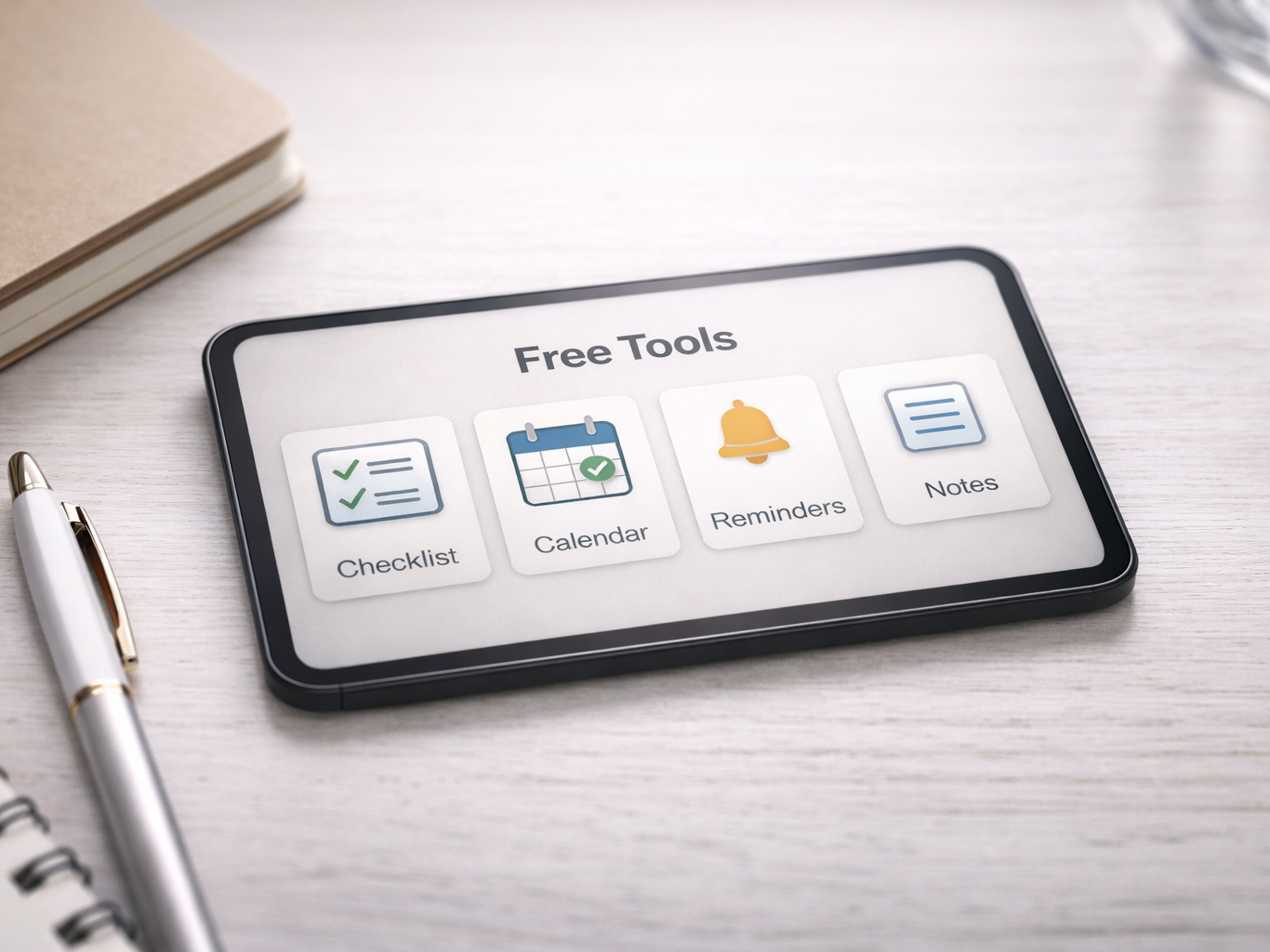
Most free landlord software is built to handle surface-level needs.
It allows you to:
- Record rent payments
- Maintain basic tenant information
- Track whether rent is paid or pending
This creates an initial sense of control.
But rental management is not just about recording transactions. It’s about understanding patterns, who pays late, where dues are building up, and how stable your cash flow really is.
That’s where the limitations begin to show.
Where the Limitations Start Showing
The gaps don’t appear immediately, they show up in everyday scenarios.
A tenant pays partially.
Another delays payment.
Someone clears old dues along with current rent.
These are routine situations.
But without a structured system, they create confusion:
- Is the full amount cleared?
- What portion is still pending?
- Is your data reflecting the actual status?
Over time, these small uncertainties compound.
You’re still tracking rent, but you’re no longer confident in your numbers.
The Hidden Cost of “Free”
Free tools don’t cost money, but they often cost you time and clarity.
You end up:
- Verifying entries repeatedly
- Cross-checking tenant payments
- Following up manually on dues
This extra effort doesn’t feel significant at first, but it builds up every month.
There’s also the cost of unclear data.
If you don’t have a reliable view of:
- Total pending dues
- Monthly collections
- Tenant-wise payment behavior
you start making decisions based on assumptions.
And in some cases, that leads to actual revenue leakage, missed or delayed payments that were never tracked properly.

Why Free Tools Struggle as You Grow
Growth introduces complexity.
What works for a few tenants starts breaking when you scale.
You begin dealing with:
- Different payment cycles
- Overlapping dues
- Multiple tenants across properties
At this stage, free tools fall behind, not because they’re faulty, but because they weren’t built for this level of use.
They don’t give you:
- A centralized view of all dues
- Clear tenant-wise tracking
- Real-time updates across your portfolio
So you start compensating manually, and that’s where efficiency drops.
When Should You Move Beyond Free Tools?
There’s no fixed number of tenants where free tools stop working.
The real signal is friction.
If your current system makes you:
- Check multiple places to confirm payments
- Spend time fixing or updating records
- Feel unsure about what’s still pending
then the problem isn’t cost, it’s structure.
At this stage, upgrading isn’t about adding features.
It’s about removing inefficiencies.
Free vs Structured Software: A Clear Comparison
Here’s how the difference plays out in practice:
| Aspect | Free Tools | Structured Software |
|---|---|---|
| Tracking | Basic | Detailed and accurate |
| Automation | Limited | Built-in and consistent |
| Dues Visibility | Manual checks | Instant clarity |
| Scalability | Limited | Designed for growth |
| Decision Support | Low | High |
The real difference isn’t what the tool offers, it’s how much clarity and control it gives you.
Evaluating Free Options the Right Way
If you’re still considering rent collection software free, focus on real usage, not just features.
A useful tool should:
- Give you clarity without extra effort
- Reduce manual work
- Help you identify dues instantly
If you still need to double-check everything, the system is only partially working.
And partial systems tend to create bigger problems over time.
Where RentOk Changes the Approach
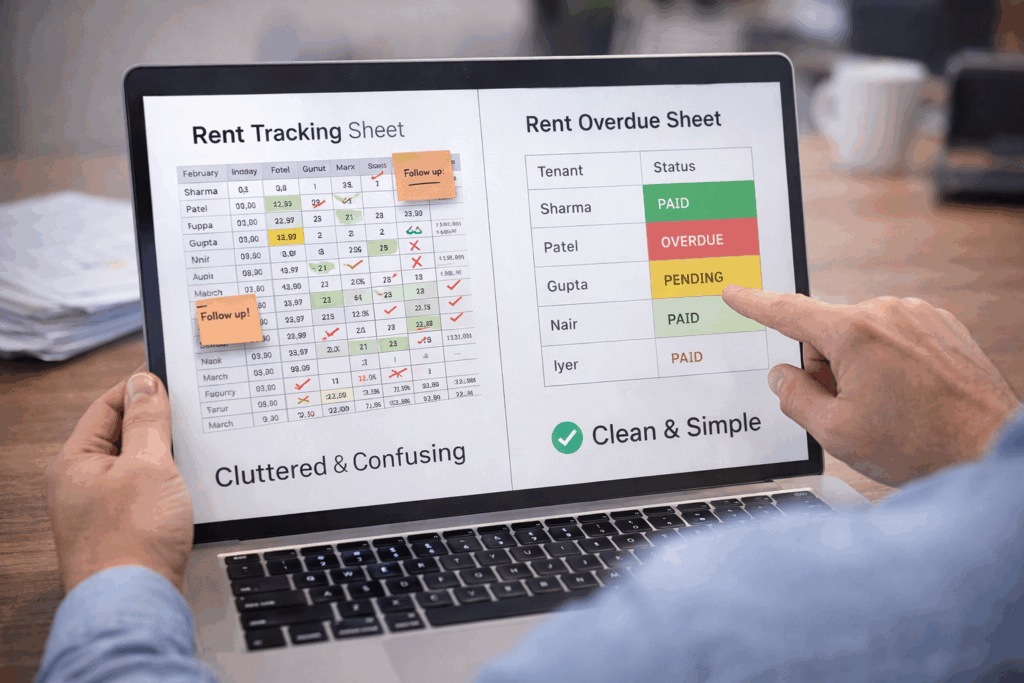
The biggest gap in free tools is visibility.
RentOk is designed to close that gap by connecting your entire rent workflow.
Instead of isolated tracking, it gives you a structured system where everything is aligned.
With RentOk, you can:
- See exactly who has paid and who hasn’t
- Track total pending dues through the Dues Page
- Access complete payment history without manual effort
- View real-time updates as transactions happen
This removes the need for constant verification.
It also improves consistency, because reminders, tracking, and updates are built into the system.
Instead of reacting to missed payments, you stay ahead of them.
Bringing It All Together
Free tools are useful at the beginning, but they are not built for long-term efficiency.
As your rental operations grow, your needs shift from basic tracking to structured management.
And that’s where the difference becomes clear.
👉 Request a demo of RentOk and see how it fits into your daily rental workflow.
Because managing rent isn’t just about collecting payments, it’s about making sure nothing slips through unnoticed.
About the Author
Ishika Pannu
Ishika Pannu brings you the latest insights and easy-to-apply strategies in property management—helping you simplify renting and grow with RentOk.