
Market Trends
How to Maintain Passbook for PG Business

Written by
Ishika Pannu
Read Time
5 min read
Posted on
March 11, 2026
Overview
Overview
How to Maintain Passbook for PG Business
Running a PG business involves handling many financial transactions every month. There are rent payments, security deposits, maintenance charges, and sometimes refunds or adjustments. To keep these transactions organized, PG owners need a clear system to maintain passbook for PG business operations.
Many operators begin by recording payments in notebooks or spreadsheets. While this may work for a small property, it becomes harder to manage as the number of tenants grows.
Over time, PG owners often face challenges like:
- Checking which tenants have paid rent
- Tracking security deposit balances
- Calculating pending dues
- Finding past transaction records quickly
A proper passbook system helps solve this by maintaining a clear record of every tenant transaction in one place. Today, many PG operators are also using digital tenant ledger software in India to maintain passbooks more efficiently and reduce manual errors.
What Is a Passbook in a PG Business?
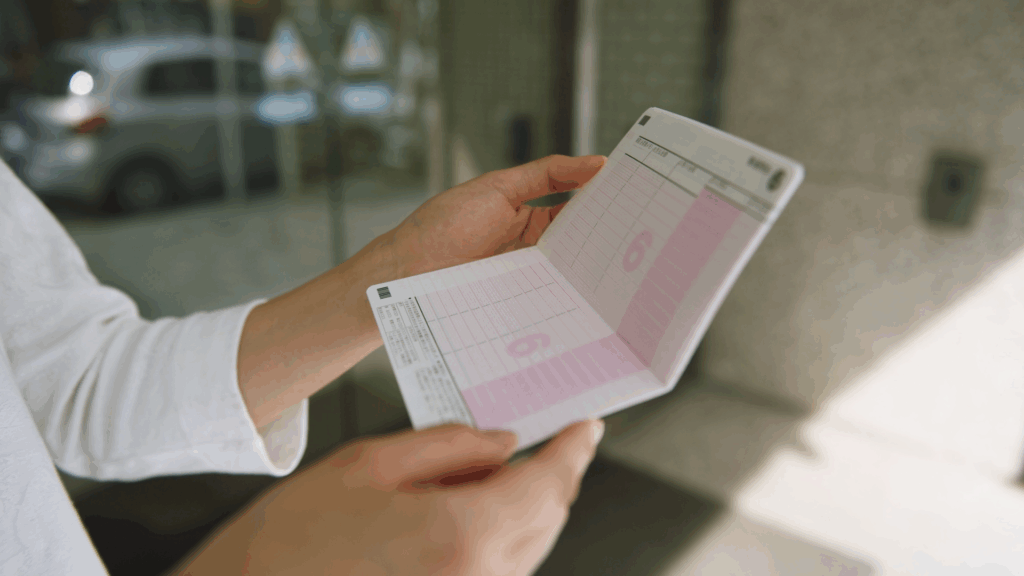
A PG passbook works similarly to a bank passbook. It records every transaction between the tenant and the property owner in chronological order.
Instead of relying on memory or scattered notes, the passbook provides a clear financial timeline for each tenant.
Typically, a tenant passbook records:
- Monthly rent payments
- Security deposit entries
- Maintenance or service charges
- Additional fees or adjustments
- Refunds during move-out
- Outstanding dues
Because every transaction is recorded, the passbook becomes a reliable reference whenever financial questions arise.
For example, when a tenant moves out, the passbook makes it easy to review their entire payment history before calculating the final balance.
Why Proper Transaction Records Matter
Financial clarity is essential for running any PG business smoothly. Without proper records, even simple questions about payments can become difficult to answer.
Consider a PG with 40–50 tenants. Each resident may have different payment dates, deposits, and additional charges. Without a proper ledger, keeping track of all these transactions becomes challenging.
Some common problems PG owners face include:
- Forgetting to record a payment
- Confusion around partial rent payments
- Difficulty calculating pending dues
- Misunderstandings about security deposit balances
- Disputes during tenant move-outs
Maintaining a passbook helps avoid these issues because every transaction is recorded in a structured way. Both owners and tenants can easily verify payment history when needed.
Manual Passbook vs Digital Passbook Systems
Most PG owners initially maintain passbooks manually. This usually means writing entries in notebooks or updating spreadsheets.
While this system provides basic control, it has limitations once operations grow.
Manual Passbook
A manual passbook requires the owner to update entries every time a transaction occurs. Tasks usually involve:
- Writing down rent payments
- Updating balances manually
- Tracking pending dues
- Maintaining separate pages for each tenant
This approach works for small PG setups, but it can quickly become time-consuming. As the number of tenants increases, maintaining accuracy becomes more difficult.
Some typical limitations include:
- Higher chances of human error
- Difficulty reviewing old records
- Time spent updating entries regularly
- Lack of real-time financial visibility
Digital Passbook
A digital passbook replaces manual entries with automated transaction records.
Instead of maintaining notebooks, all transactions are stored digitally under the tenant’s profile. This allows PG owners to track financial information instantly without manual calculations.
A digital tenant ledger typically allows operators to:
- Record rent payments instantly
- Track updated balances automatically
- View pending dues in real time
- Maintain organized transaction history
- Access financial records anytime
Because the system manages calculations automatically, the chances of accounting errors are significantly reduced.
Maintaining Clear Transaction History
One of the biggest advantages of maintaining a passbook is having complete transaction history available at any time.
Every payment, charge, or refund becomes part of a documented record. This helps PG owners manage financial situations more confidently.
For example, transaction history is useful when:
- A tenant moves out and the final balance must be calculated
- There is confusion about whether rent has been paid
- The owner wants to review monthly rent collections
- Deposit refunds need to be processed
Instead of manually checking multiple records, the passbook provides a single place where all financial information is available.
Over time, this structured record helps PG businesses operate more transparently.

How Automation Improves Passbook Management
As PG operations expand, manual ledger updates can become repetitive and time-consuming.
Automation simplifies this process by allowing software to record and organize transactions automatically.
Modern tenant ledger software in India can help PG operators:
- Record rent payments digitally
- Automatically update tenant balances
- Maintain chronological transaction logs
- Track outstanding dues without manual calculations
With automation, financial records remain accurate without requiring constant manual updates. This allows PG owners to spend less time managing ledgers and more time focusing on their property operations.
How RentOk Helps PG Owners Maintain Digital Passbooks
Managing tenant ledgers manually becomes difficult as the number of residents increases. This is where platforms like RentOk help simplify the process.
RentOk is designed specifically for PG, hostel, and co-living operators. It provides a centralized system where owners can manage tenant records, payments, and financial transactions from one dashboard.
One of its useful features is the digital passbook within the tenant profile.
Instead of maintaining separate ledgers or spreadsheets, RentOk automatically records transactions and organizes them as part of the tenant’s financial history.
Through RentOk, PG owners can easily:
- Maintain a digital passbook for every tenant
- Track complete transaction history for rent and deposits
- Record payments and generate receipts
- Instantly see pending dues and balances
- Access tenant financial records anytime
Because all transactions are stored chronologically, operators always have a clear overview of payments and charges.
This makes tasks such as deposit refunds, rent reconciliation, and financial reviews much easier to manage. By digitizing passbook management, RentOk reduces administrative effort while improving financial transparency for PG owners.
Conclusion
Maintaining a passbook for your PG business is essential for keeping financial records organized and transparent. From rent payments to deposits and additional charges, every transaction should be clearly documented.
While manual passbooks may work for smaller properties, growing PG businesses often benefit from digital systems that simplify ledger management and reduce errors.
A structured passbook system not only helps PG owners manage transactions better but also improves trust with tenants by ensuring financial clarity.
If you’re looking for a more efficient way to manage tenant ledgers and maintain accurate transaction records, you can explore how PG owners are maintaining digital passbooks and tracking every tenant transaction through RentOk’s Owner Profile system.
About the Author
Ishika Pannu
Ishika Pannu brings you the latest insights and easy-to-apply strategies in property management—helping you simplify renting and grow with RentOk.