Market Trends
How to Manage Food Operations in PG

Written by
Ishika Pannu
Read Time
6 min read
Posted on
March 6, 2026
Overview
Overview
How to Manage Food Operations in PG
Food plays a big role in the overall PG experience. For many tenants, especially students and working professionals, daily meals are part of their routine and comfort.
For PG operators, however, managing food services can quickly become complicated. From deciding the menu and tracking meal attendance to controlling kitchen costs and coordinating staff, several things need to run smoothly every day.
When these processes are handled informally, the kitchen often ends up relying on guesswork. This can lead to food wastage, unexpected shortages, and unnecessary expenses.
A structured food management system helps bring clarity to daily kitchen operations and makes the process much easier to manage.
Why Food Management Gets Difficult in Growing PGs
In smaller PGs, food operations are often handled casually. The kitchen prepares meals based on experience, and tenants simply show up when they want to eat.
But once the number of tenants increases, this approach starts creating problems.
Common challenges include:
- Preparing too much food and facing wastage
- Running out of meals during busy hours
- Difficulty planning grocery purchases
- Confusion about how many tenants will attend meals
Without proper tracking, the kitchen team rarely has accurate information before cooking begins.
Over time, this lack of visibility increases both operational stress and kitchen expenses.
Meal Planning Is Only the First Step
Most PG kitchens follow a weekly or monthly menu. This helps tenants know what meals will be served and allows kitchen staff to prepare accordingly.
However, menu planning alone does not guarantee smooth food operations.
The real challenge is knowing how many tenants will actually eat.
Tenants often skip meals due to work schedules, travel plans, or eating outside. When attendance changes daily, preparing the right quantity of food becomes difficult.
This usually leads to two outcomes:
- Food wastage when attendance is lower than expected
- Food shortages when more tenants arrive than planned
Tracking meal attendance in advance helps solve this problem.
Why Meal Attendance Tracking Matters
Many PG operators try to track meal attendance informally.
For example, they may rely on:
- WhatsApp messages from tenants
- Verbal confirmations
- Notes maintained by kitchen staff
These methods work only in very small setups. As the number of tenants grows, they become unreliable.
Some tenants forget to inform the staff, messages get missed, and the kitchen ends up preparing food without clear numbers.
A simple meal tracking system helps create clarity.
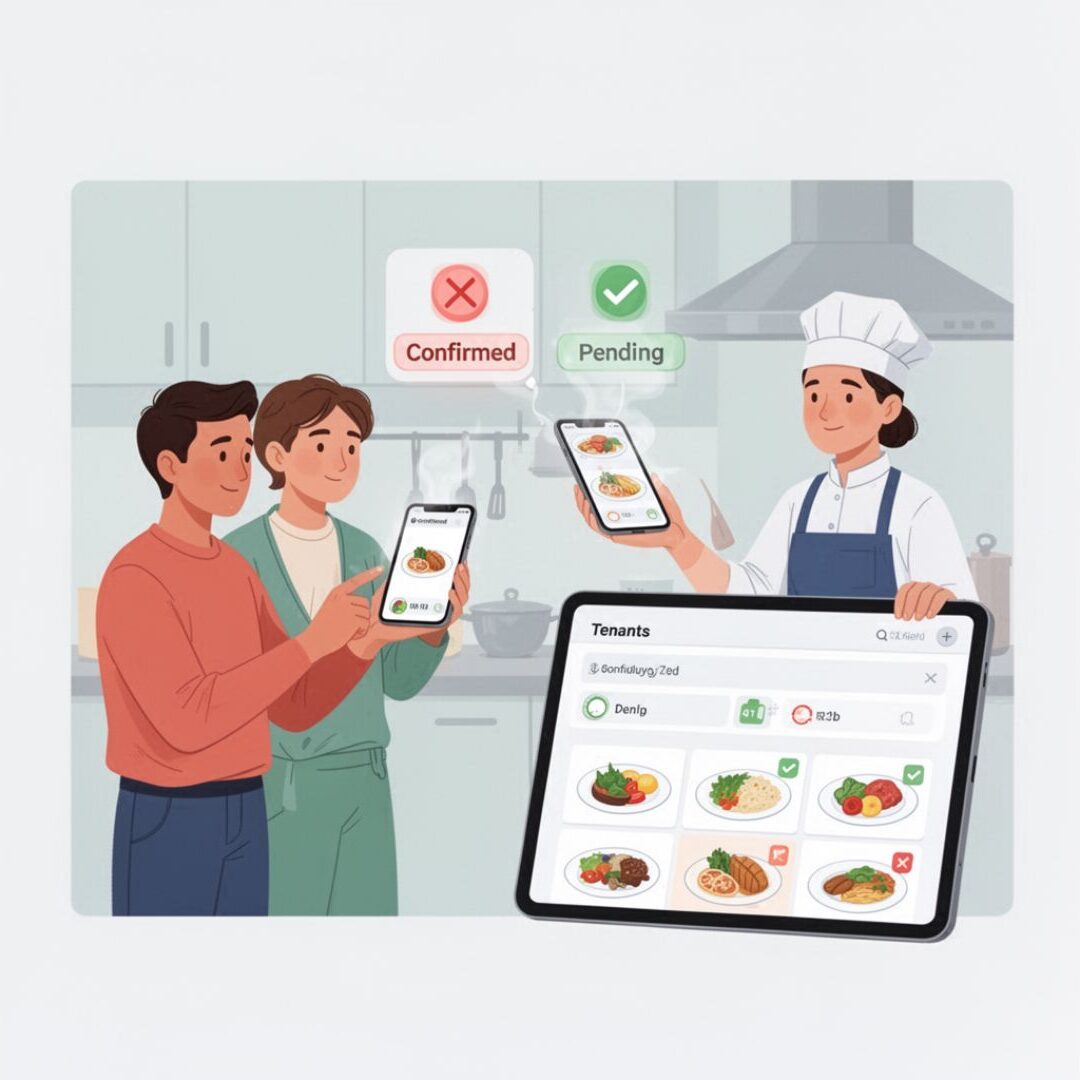
When tenants confirm their attendance before meals, the kitchen team can plan food preparation much more accurately.
The Role of Attendance Cut-Off Times
Attendance cut-offs are one of the most effective ways to organize food operations.
A cut-off time is the deadline by which tenants must confirm whether they will attend a meal.
For example:
- Breakfast attendance may close the night before
- Lunch attendance may close in the morning
- Dinner attendance may close in the afternoon
Once the deadline passes, the kitchen receives a clear count of meals to prepare.
This small change makes a big difference because it helps:
- Reduce food wastage
- Improve kitchen planning
- Simplify grocery purchases
- Avoid last-minute confusion
Instead of guessing, the kitchen team works with accurate information.
Controlling Kitchen Costs
Food services are often one of the largest operational expenses in PGs.
Running a kitchen involves multiple costs such as:
- Grocery and ingredient purchases
- Cooking gas and utilities
- Kitchen staff salaries
- Equipment maintenance
If food attendance is not tracked properly, these costs become harder to control.
For instance, preparing extra food every day may seem minor, but over time it results in significant wastage. Similarly, unexpected shortages may require last-minute purchases that increase expenses.
By aligning food preparation with actual attendance, PG operators can maintain better control over kitchen costs.
Hygiene and Food Safety Should Never Be Ignored
While quantity planning is important, food safety and hygiene are equally critical.
Tenants expect meals to be prepared in a clean and safe environment. Poor kitchen hygiene can quickly lead to complaints and damage the reputation of the property.
Some basic hygiene practices every PG kitchen should follow include:
- Maintaining clean cooking surfaces
- Storing ingredients properly
- Ensuring staff follow hygiene protocols
- Keeping dining areas clean and organized
If you want to explore this topic further, you can also read our guide on Food Safety and Hygiene at Rental Properties: A Must for Hostels and PGs, which explains the standards PG operators should maintain to ensure safe food practices.
When hygiene and planning work together, food operations become far more reliable.
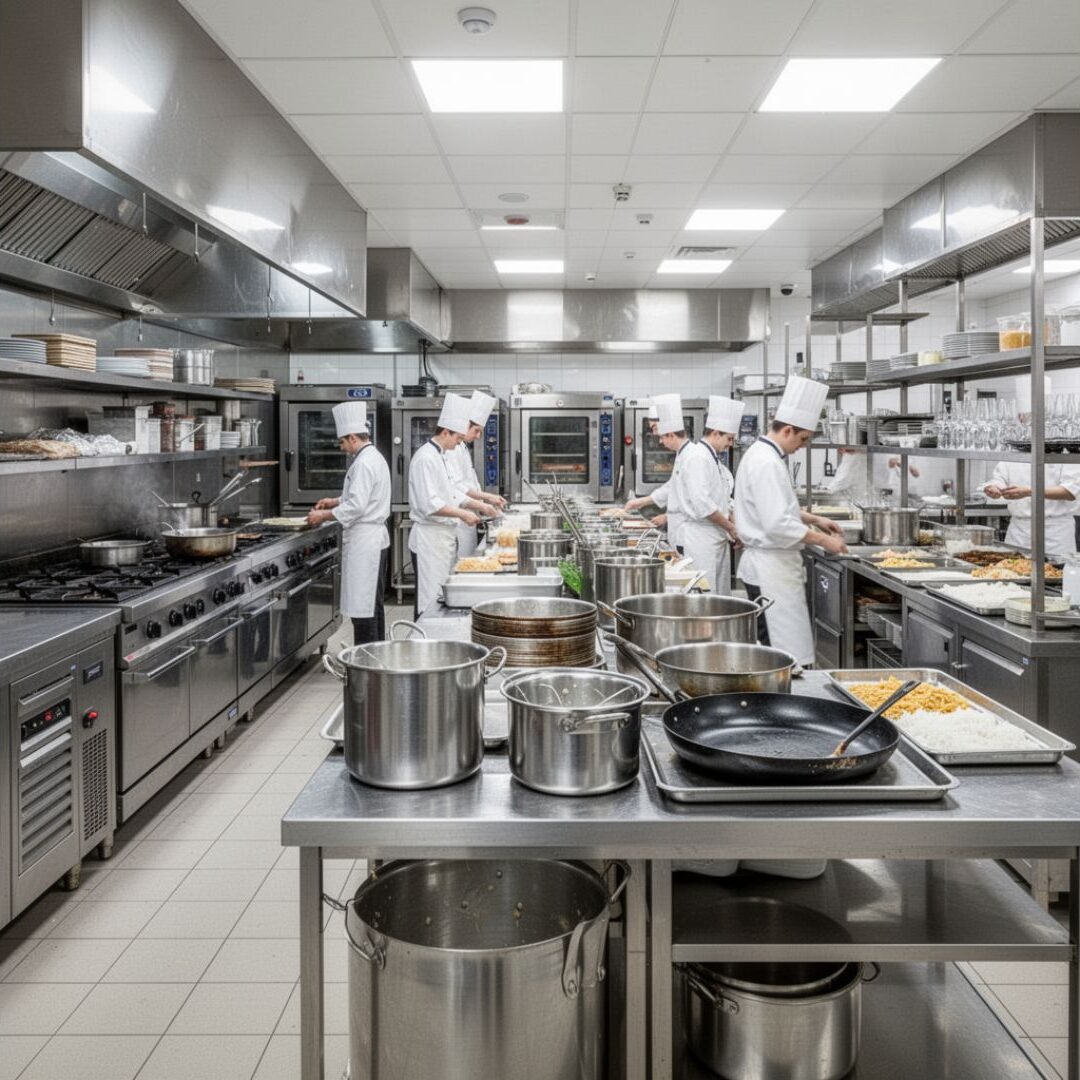
When Manual Food Management Stops Working
Manual food coordination works only up to a certain point.
As occupancy increases, operators begin facing issues such as:
- Tenants forgetting to inform staff about meals
- Kitchen teams preparing incorrect quantities
- Difficulty coordinating between tenants and staff
- Lack of visibility into meal consumption patterns
These problems usually appear when food management relies entirely on manual communication.
At this stage, many PG operators begin looking for tools that simplify coordination instead of depending on constant follow-ups.
How Technology Helps Simplify Food Operations
Food management systems help bring structure to daily kitchen operations.
Instead of relying on guesswork, operators can track meal attendance digitally and give the kitchen team clear information before meals are prepared.
Some advantages of structured food management systems include:
- Digital meal attendance tracking
- Automated attendance cut-off times
- Clear visibility of daily meal counts
- Better coordination between tenants and kitchen staff
When accurate attendance information is available, kitchens can focus more on food quality and less on adjusting quantities at the last minute.
Managing Food Operations Alongside PG Management
Food services are closely connected to other aspects of PG operations, such as tenant management and communication with residents.
When these systems operate separately, coordination becomes more difficult.
Integrated platforms help bring these operations together.
With RentOk, PG operators can manage tenant details, daily operations, and meal attendance in one place. Tenants can mark their meal attendance before the cut-off time, allowing kitchen teams to prepare food based on confirmed numbers.
This helps improve coordination between:
- Tenants
- Kitchen staff
- PG management
Instead of relying on multiple communication channels, everything stays organized within a single system.
Building Smarter Food Operations
As PG businesses grow, food management becomes too important to rely on informal processes.
Structured meal planning, attendance tracking, and proper kitchen coordination help operators maintain both efficiency and food quality.
Digital systems are making this process easier by bringing food management and tenant operations together.
With RentOk, PG owners can track meal attendance, manage kitchen planning, and keep daily operations organized without relying on manual communication.
If you want to see how structured food management can simplify daily PG operations, book a demo with RentOk and explore how the platform helps manage food services, tenants, and property operations from one place.
About the Author
Ishika Pannu
Ishika Pannu brings you the latest insights and easy-to-apply strategies in property management—helping you simplify renting and grow with RentOk.