Market Trends
How to Scale a PG Business from 50 to 300 Beds


Written by
Ishika Pannu
Read Time
8 min read
Posted on
March 11, 2026
Overview
Overview
How to Scale a PG Business from 50 to 300 Beds
Growing a PG business is an exciting milestone, but learning how to scale a PG business from 50 to 300 beds requires much more than simply adding more rooms.
As the number of tenants, properties, and transactions increases, daily operations naturally become more complex. What once worked for a smaller setup, spreadsheets, notebooks, and manual coordination, often starts becoming difficult to manage as the business expands.
At around 40–50 beds, many PG owners can still manage most operations personally. Rent collections are tracked manually, tenant records may sit in Excel sheets, and maintenance requests are often handled through calls or WhatsApp messages.
But as the business grows toward 200–300 beds, the operational picture changes quickly.
Owners suddenly find themselves managing several moving parts at once:
- Hundreds of tenant records
- Frequent rent transactions and deposits
- Staff across properties or floors
- Maintenance requests across multiple rooms
- Increasing operational expenses
Without proper systems in place, keeping track of all these activities becomes challenging.
Scaling at this stage is not just about increasing capacity, it is about building systems that help you manage growth without losing control over operations.
The Operational Shift: From Hands-On Management to Structured Systems
In the early stages of a PG business, owners are deeply involved in almost every activity.
You may personally handle:
- Tenant inquiries and bookings
- Rent collection and reminders
- Maintenance coordination
- Expense tracking
- Tenant onboarding and move-outs
This hands-on approach works well when the number of tenants is limited. However, as the property grows, relying entirely on the owner quickly becomes inefficient.
Scaling from 50 beds to 300 beds requires a shift from owner-driven operations to system-driven operations.
Instead of depending on memory or scattered records, the business begins to rely on clear processes. These processes ensure that daily operations continue smoothly even when the owner is not directly managing every detail.
Some of the operational changes that typically happen during this stage include:
- Standardizing tenant onboarding procedures
- Creating organized rent collection workflows
- Maintaining structured tenant records
- Establishing maintenance request systems
With these systems in place, the business becomes easier to manage even as the number of tenants increases.
Expanding Capacity Without Losing Control
One of the most common mistakes PG owners make while scaling is focusing only on adding more beds.
While increasing capacity is important for revenue growth, expansion without operational systems can quickly create problems.
For example, operators may start facing issues like:
- Vacant beds going unnoticed
- Confusion around tenant records
- Delayed rent collections
- Difficulty tracking expenses
These problems are rarely caused by growth itself. They usually occur because the management systems have not evolved alongside the expansion.
Before increasing bed capacity, operators should think about the systems that will support the larger operation.
Some important questions to consider include:
- How will occupancy be tracked across properties?
- How will tenant information be stored and updated?
- How will rent payments and dues be monitored?
- How will operational expenses be recorded?
When these systems are built early, expansion becomes much easier to manage.

Staff Management: Building a Team That Supports Growth
Another major change that happens while scaling is the need for a structured team.
When a PG has around 40–50 tenants, the owner can often handle most responsibilities personally. But with hundreds of tenants, daily operations require multiple people working together.
Growing PG businesses often involve roles such as:
- Property managers
- Housekeeping staff
- Maintenance personnel
- Security teams
- Front desk or tenant support staff
Managing this team effectively requires clear responsibilities and communication systems.
For instance, property managers may handle daily operations at individual locations, while maintenance staff respond to repair requests. Housekeeping teams ensure cleanliness and upkeep across rooms and common areas.
When responsibilities are clearly defined, operations remain consistent even as the business grows.
More importantly, a well-organized team improves tenant satisfaction, which helps maintain strong occupancy rates.
Automation: Reducing Manual Work as the Business Grows
As the number of tenants increases, so does the amount of administrative work.
Tasks that once took a few minutes may now require hours every week. This includes activities such as updating tenant records, tracking rent payments, monitoring vacant beds, and recording operational expenses.
Handling these processes manually becomes increasingly inefficient.
Automation helps reduce this workload by simplifying routine tasks and minimizing human errors.
Some common areas where automation becomes useful include:
- Sending automated rent reminders to tenants
- Maintaining digital tenant records
- Tracking pending dues automatically
- Logging maintenance requests
- Managing bookings and room allocation
By automating these routine activities, PG owners can focus more on improving services and expanding their business rather than spending time on repetitive administrative work.
Automation also ensures that operations remain consistent even when the tenant base grows significantly.
Using a Central Dashboard to Manage Multiple Properties
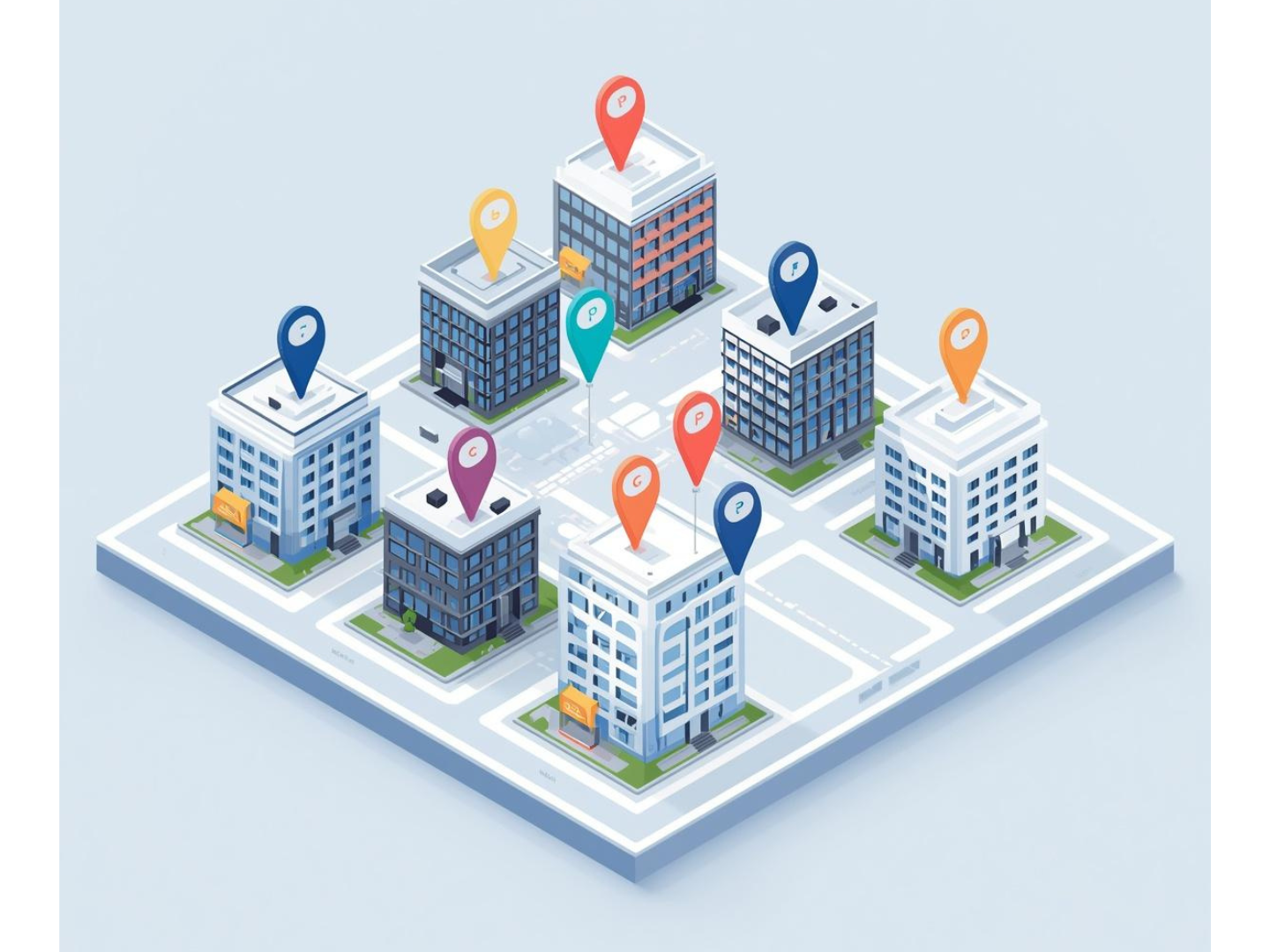
When a PG business grows from 50 beds to 300 beds, it often involves managing multiple properties or buildings.
Without a centralized view of operations, it becomes difficult to understand what is happening across locations.
Owners may constantly find themselves asking questions such as:
- Which property currently has vacant beds?
- How much rent has been collected this month?
- Which tenants still have pending dues?
- Which location is performing better financially?
A central management dashboard helps bring clarity to these questions.
Instead of manually gathering information from different records, a dashboard presents key business insights in one place.
From a single interface, PG operators can typically monitor:
- Occupancy across properties and rooms
- Tenant records and move-in activity
- Rent payments and pending dues
- Maintenance requests
- Revenue and expense summaries
This kind of visibility allows operators to make quicker decisions and identify operational issues early.
Financial Visibility: Understanding the Real Performance of Your PG
Financial tracking becomes increasingly important as the business expands.
With hundreds of tenants, the volume of transactions increases significantly. Rent payments, deposits, refunds, operational costs, and maintenance expenses all need to be tracked accurately.
Without proper financial visibility, PG owners may struggle to answer important questions like:
- What is the total monthly revenue?
- How much rent is still pending?
- Which property generates the highest returns?
- Are operational costs increasing?
Having clear financial insights helps owners evaluate how well the business is performing.
It also helps them identify opportunities to improve profitability by controlling costs or optimizing occupancy.
When financial data is organized and accessible, decision-making becomes much more confident and strategic.
How RentOk Helps PG Owners Manage and Scale Operations
As PG businesses expand, managing operations through manual records becomes increasingly difficult. This is where digital platforms like RentOk become extremely useful.
RentOk is built specifically for PG and hostel operators and focuses on simplifying the everyday operational challenges of managing shared accommodation properties.
Instead of using separate notebooks, spreadsheets, and messaging threads to track information, RentOk brings important aspects of PG management into a single platform.
Through RentOk, PG owners can manage key operational areas such as:
- Tenant management: Maintain digital tenant profiles, including booking details, move-in records, and tenant information.
- Occupancy tracking: Monitor bed availability and room occupancy across properties.
- Rent and dues tracking: Keep track of rent payments, pending dues, and transaction history.
- Expense management: Record operational expenses and monitor financial activity.
- Central dashboard: View important business insights such as occupancy levels, rent collection status, and overall property performance.
For PG businesses managing multiple properties or hundreds of tenants, this centralized visibility becomes extremely valuable.
Instead of spending hours reconciling records, operators can quickly understand the current state of their business through the dashboard. This makes it easier to identify vacancies, follow up on pending dues, and monitor financial performance.
By organizing operational data in one place, RentOk helps PG owners maintain clarity and control as their business scales.
Building a PG Business That Can Grow Sustainably
Scaling a PG business successfully requires more than just increasing capacity. It requires building systems that support long-term growth.
Operators who scale smoothly usually focus on three key areas.
Operational structure
Creating clear processes for tenant onboarding, rent collection, and maintenance management.
Technology adoption
Using digital tools to simplify record-keeping and automate routine tasks.
Financial clarity
Maintaining accurate visibility into revenue, expenses, and property performance.
When these elements are in place, expanding from 50 beds to 300 beds becomes far more manageable.
Instead of struggling with operational chaos, PG owners can focus on improving tenant experience, maintaining occupancy, and exploring new growth opportunities.
Conclusion
Scaling a PG business from 50 to 300 beds is not just about increasing capacity, it requires stronger systems, better operational visibility, and structured processes to manage a larger number of tenants and properties.
As the business grows, relying on manual tracking or scattered records can quickly make daily operations difficult to manage. This is why many growing PG operators begin adopting centralized tools that help them track occupancy, monitor rent payments, and maintain clear financial visibility across properties.
Platforms like RentOk are designed specifically for PG and hostel operators, bringing together tenant management, occupancy tracking, rent monitoring, and operational insights into one place. With a centralized dashboard and organized records, owners can manage larger properties with greater clarity and control.
If you’re planning to expand your PG business and want a clearer view of your operations, exploring how platforms like RentOk help operators manage hundreds of beds through one centralized system can be a useful place to begin.
About the Author
Ishika Pannu
Ishika Pannu brings you the latest insights and easy-to-apply strategies in property management—helping you simplify renting and grow with RentOk.