Market Trends
How to Set Lock-In Period for PG Tenants

Written by
Ishika Pannu
Read Time
6 min read
Posted on
March 6, 2026
Overview
Overview
How to Set Lock-In Period for PG Tenants
Managing a PG property is not just about filling rooms. It is also about maintaining stable occupancy and predictable income. One challenge many PG operators face is tenants leaving too frequently, sometimes within a few weeks of moving in.
Frequent move-outs can disrupt operations. Rooms remain vacant, new tenants need to be found quickly, and the onboarding process starts all over again.
This is where a lock-in period becomes useful.
A lock-in period ensures that tenants commit to staying for a minimum duration before they can move out without penalties. When structured properly, it helps PG operators maintain stability while still offering reasonable flexibility to tenants.
Let’s understand how to set a lock-in period that works well for both the operator and the tenant.
What Is a Lock-In Period?
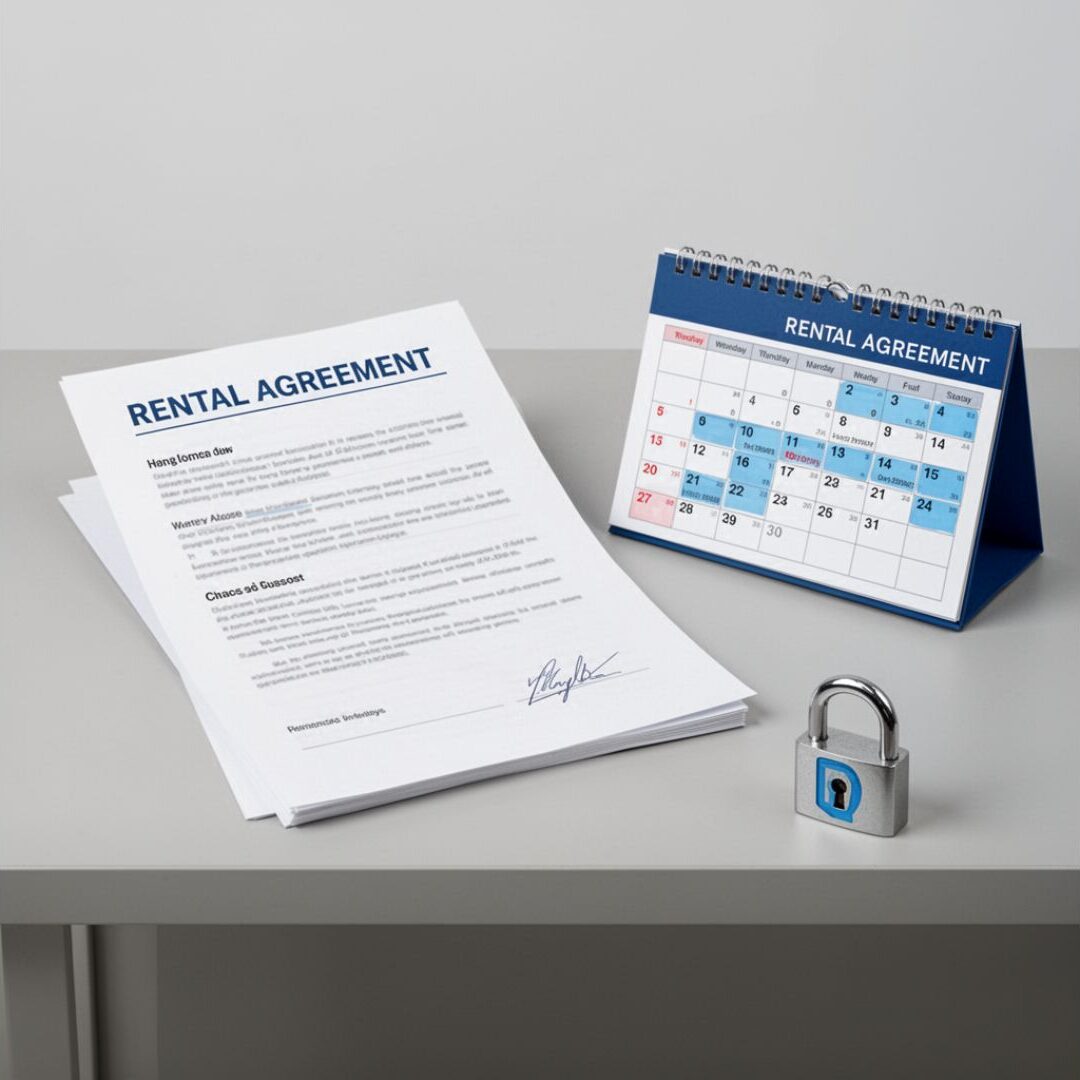
A lock-in period is the minimum duration a tenant agrees to stay in the PG before they can terminate their stay without penalties.
If the tenant leaves before this period ends, the agreement usually allows the operator to adjust the security deposit or charge the remaining rent for the lock-in duration.
In simple terms, the lock-in period protects the operator from sudden vacancies while ensuring that tenants stay for a reasonable period.
A lock-in clause typically mentions:
- Minimum stay duration
- Notice period after the lock-in ends
- Conditions for early exit
- Deposit adjustment rules
Including these details in the agreement ensures that both sides understand the terms clearly from the beginning.
Why Do PG Operators Use Lock-In Periods?
Without a lock-in period, tenants may move out with very little notice. This can create operational challenges, especially in properties with multiple rooms and shared facilities.
Frequent turnover also increases the workload for operators.
For example, every time a tenant leaves, operators need to:
- Find new tenants
- Conduct room showings
- Complete onboarding formalities
- Update tenant records
- Adjust food and facility planning
When this happens repeatedly, managing the property becomes more time-consuming.
A lock-in period helps reduce this uncertainty by creating predictable occupancy cycles.
Some benefits of having a lock-in clause include:
- More stable monthly rental income
- Reduced tenant turnover
- Better planning for property operations
- Fewer last-minute vacancies
When implemented fairly, it helps maintain balance between operational stability and tenant flexibility.
Choosing the Right Lock-In Duration
There is no universal lock-in period that works for every PG property. The ideal duration often depends on your tenant type, location, and market demand.
However, most PG operators typically choose between one to six months.
Short Lock-In (1–2 months)
This works well in areas where tenants prefer flexibility, such as cities with a large number of students or short-term professionals.
Advantages include:
- Easier to attract tenants
- Higher booking interest
- Flexible agreements
However, it may also lead to higher tenant turnover.
Medium Lock-In (3–4 months)
This is one of the most commonly used durations.
It offers a good balance between flexibility and stability.
Benefits include:
- Reasonable commitment from tenants
- More predictable occupancy
- Reduced frequent move-outs
Long Lock-In (5–6 months or more)
Some premium PG properties use longer lock-in periods.
While this can ensure stable occupancy, it may also discourage tenants who prefer shorter commitments.
Operators should evaluate local market conditions before deciding the lock-in duration.
How Lock-In Periods Influence Tenant Decisions
Tenants usually compare multiple PG options before choosing where to stay. Along with rent and facilities, agreement terms also play an important role in their decision.
A very strict lock-in period may discourage potential tenants.
On the other hand, having no lock-in period at all may result in unpredictable tenant movement.
Many PG operators address this by combining:
- A moderate lock-in period
- A clear notice period
For example:
- 3-month lock-in period
- 30-day notice after the lock-in ends
This approach provides stability while still giving tenants flexibility when they eventually decide to move out.
If you want a deeper understanding of how notice periods work and how to manage them effectively, you can also read our guide on How to Handle Notice Period in PG Business.
Legal Considerations for Lock-In Clauses
Lock-in periods must always be clearly mentioned in the rent agreement.
Even though PG accommodations sometimes operate with more flexible arrangements than traditional rentals, having proper documentation protects both the tenant and the operator.
A well-written agreement should include:
- Lock-in period duration
- Notice period after lock-in completion
- Penalties for early exit
- Security deposit adjustment rules
Clear documentation helps prevent disputes later.
For example, if a tenant decides to leave during the lock-in period, the agreement should clearly state how the remaining dues or deposit adjustments will be handled.
Transparency in agreements always reduces misunderstandings.

Communicating Lock-In Terms During Onboarding
Many disputes happen not because rules were unfair, but because they were not explained clearly.
Tenants often focus on rent and facilities during booking and may not pay close attention to agreement clauses.
This is why operators should explain important terms during onboarding.
Before the tenant moves in, it helps to clarify:
- Lock-in duration
- Notice period requirements
- Deposit refund conditions
- Rules for early exit
When tenants understand these terms upfront, they are more likely to follow them later.
Clear communication builds trust and avoids confusion during move-out.
Why Managing Agreement Terms Digitally Helps
As the number of tenants grows, managing agreements manually can become difficult.
Operators may need to review agreement terms frequently when handling situations such as early move-outs, deposit settlements, or notice period requests.
Searching through paper documents or scattered files can take time.
Digital systems make this process much easier.
With digital records, operators can quickly check:
- Tenant agreement terms
- Lock-in period dates
- Notice period timelines
- Deposit records
This ensures that important information is always accessible whenever needed.
Keeping Renting Rules Organized
Lock-in clauses are only one part of a PG agreement.
Other renting rules also need to be managed carefully, such as:
- Rent payment schedules
- Late payment policies
- Visitor rules
- Maintenance responsibilities
- Move-out procedures
When these policies are scattered across different documents or messages, it becomes harder to maintain consistency.
Platforms like RentOk help PG operators maintain tenant agreements, renting rules, and important records in one place. This allows operators to quickly review agreement terms and ensure that policies such as lock-in periods are applied consistently across tenants.
Setting a Lock-In Policy That Works
A well-designed lock-in policy should strike the right balance between operational stability and tenant comfort.
Before deciding the duration, operators should consider:
- Local tenant behavior
- Competition in the area
- Type of tenants (students, professionals, short-term residents)
- Occupancy demand
A fair policy should always:
- Be clearly mentioned in the agreement
- Be explained during onboarding
- Be applied consistently across tenants
When these conditions are met, lock-in periods become a helpful operational tool rather than a source of disputes.
Managing Tenant Agreements More Efficiently
As PG operations grow, keeping track of agreement terms like lock-in periods, notice clauses, and renting rules becomes increasingly important. When these records are scattered across different files or spreadsheets, it can be difficult to quickly verify details during move-outs or disputes.
Using a structured system helps keep all tenant agreements and policies organized in one place. With RentOk, PG operators can manage agreement records, track lock-in periods, and maintain clear tenant documentation without relying on manual files.
If you want to simplify how you manage tenant agreements and renting rules, you can book a quick demo of RentOk and see how it helps streamline everyday PG operations.
About the Author
Ishika Pannu
Ishika Pannu brings you the latest insights and easy-to-apply strategies in property management—helping you simplify renting and grow with RentOk.