Market Trends
UPI Interchange Fees: A New Era for Prepaid Payment

Written by
Anil Kandpal
Read Time
2 min read
Posted on
March 29, 2023
Overview
Introduction
The digital payments landscape in India has witnessed tremendous growth in recent years, with the Unified Payments Interface (UPI) playing a pivotal role. As more users embrace digital payments, the National Payments Corporation of India (NPCI) has introduced new regulations to streamline the system and ensure seamless interoperability. In this blog post, we’ll dive into the new interchange fees announced by the NPCI and explore the impact on wallets, merchants, and customers.
New Interchange Fees on UPI Transactions
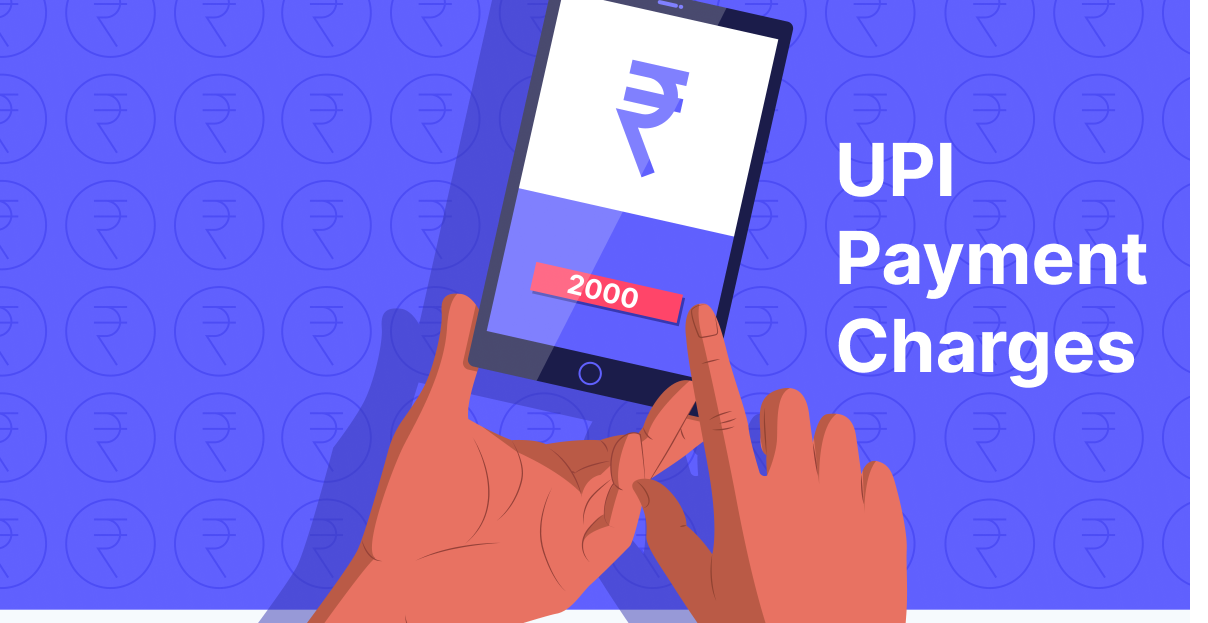
Starting April 1, the NPCI has introduced an interchange fee of up to 1.1% on merchant transactions made using prepaid payment instruments (PPIs) like wallets or cards through the UPI. This fee will be applicable to UPI payments over ₹2,000 made to various types of merchants. However, lower fees may be applied to certain merchant categories, as per the NPCI’s guidelines.
Wallet Loading Charges and Implications
In addition to the interchange fees, PPI issuers will need to pay a “wallet loading service charge” of 15 basis points (bps) to the remitter bank for loading amounts over ₹2,000 in the prepaid wallet. This pricing structure will be reviewed by September 30, 2023.
How Paytm Payments Bank is Adapting
Paytm Payments Bank, a leading wallet issuer in India, has responded to the new regulations by making its wallets interoperable with all UPI QRs and online merchants. Furthermore, the bank will earn additional interchange revenue from Paytm wallet transactions made to merchants acquired by other payment service providers, payment gateways, and payment aggregators. Paytm Payments Bank will pay and earn the 15 bps charge for adding more than ₹2,000 to its wallets.
Boosting Interoperability for a Seamless Digital Payment Experience
To ensure a smooth digital payment experience, the NPCI has directed UPI service providers and merchants to improve interoperability by clearly displaying UPI payment options by September 30, 2023. This move is expected to increase the use and appeal of wallets, providing customers with more payment alternatives and making it easier for merchants to accept wallet payments regardless of the wallet being used by the customer.
Conclusion
The introduction of interchange fees and wallet loading charges by the NPCI is a significant development in the Indian digital payments ecosystem. While these changes may initially cause a slight adjustment for wallet issuers, merchants, and customers, they will ultimately contribute to the growth and maturity of the digital payments landscape in India. As a result, we can expect a more seamless and secure digital payment experience for all parties involved.
Reference link : https://twitter.com/NPCI_NPCI/status/1640964585267281926/photo/1
About the Author
Anil Kandpal
Anil Kandpal is the Head of Marketing at RentOk and a seasoned property rental industry expert with over 8 years of hands-on experience in the PG, hostel, and co-living sectors. Since 2017, Anil Kandpal has built deep expertise across every facet of the property rental ecosystem. He founded Capho, a PG and hostel aggregator platform that connected renters with quality accommodation options across India. Following this, he spent two years as an operator, managing his own co-living and PG business, giving him invaluable first-hand insights into the challenges faced by property owners and managers. Currently, Anil Kandpal leads growth and marketing strategies at RentOk, a B2B SaaS property management platform, where he helps PG owners, hostel operators, and property managers streamline their operations and scale their businesses. His unique perspective combines entrepreneurial experience, operational expertise, and data-driven marketing strategies, making him a trusted voice on topics including PG management, rental property operations, tenant acquisition, and PropTech solutions.
...read moreAnil Kandpal is the Head of Marketing at RentOk and a seasoned property rental industry expert with over 8 years of hands-on experience in the PG, hostel, and co-living sectors. Since 2017, Anil Kandpal has built deep expertise across every facet of the property rental ecosystem. He founded Capho, a PG and hostel aggregator platform that connected renters with quality accommodation options across India. Following this, he spent two years as an operator, managing his own co-living and PG business, giving him invaluable first-hand insights into the challenges faced by property owners and managers. Currently, Anil Kandpal leads growth and marketing strategies at RentOk, a B2B SaaS property management platform, where he helps PG owners, hostel operators, and property managers streamline their operations and scale their businesses. His unique perspective combines entrepreneurial experience, operational expertise, and data-driven marketing strategies, making him a trusted voice on topics including PG management, rental property operations, tenant acquisition, and PropTech solutions.