Market Trends
What is a Rent Manager Application and Do You Need One?

Written by
Ishika Pannu
Read Time
5 min read
Posted on
March 17, 2026
Overview
What is a Rent Manager Application and Do You Need One?
Managing rental properties can look simple from the outside. Collect rent, track tenants, and handle maintenance requests. But once you start managing multiple rooms, tenants, or properties, things quickly become complicated.
Many property owners still rely on notebooks, WhatsApp chats, or Excel sheets to manage everything. At first, this works. But as the number of tenants grows, so do the chances of missed payments, forgotten notices, and record confusion.
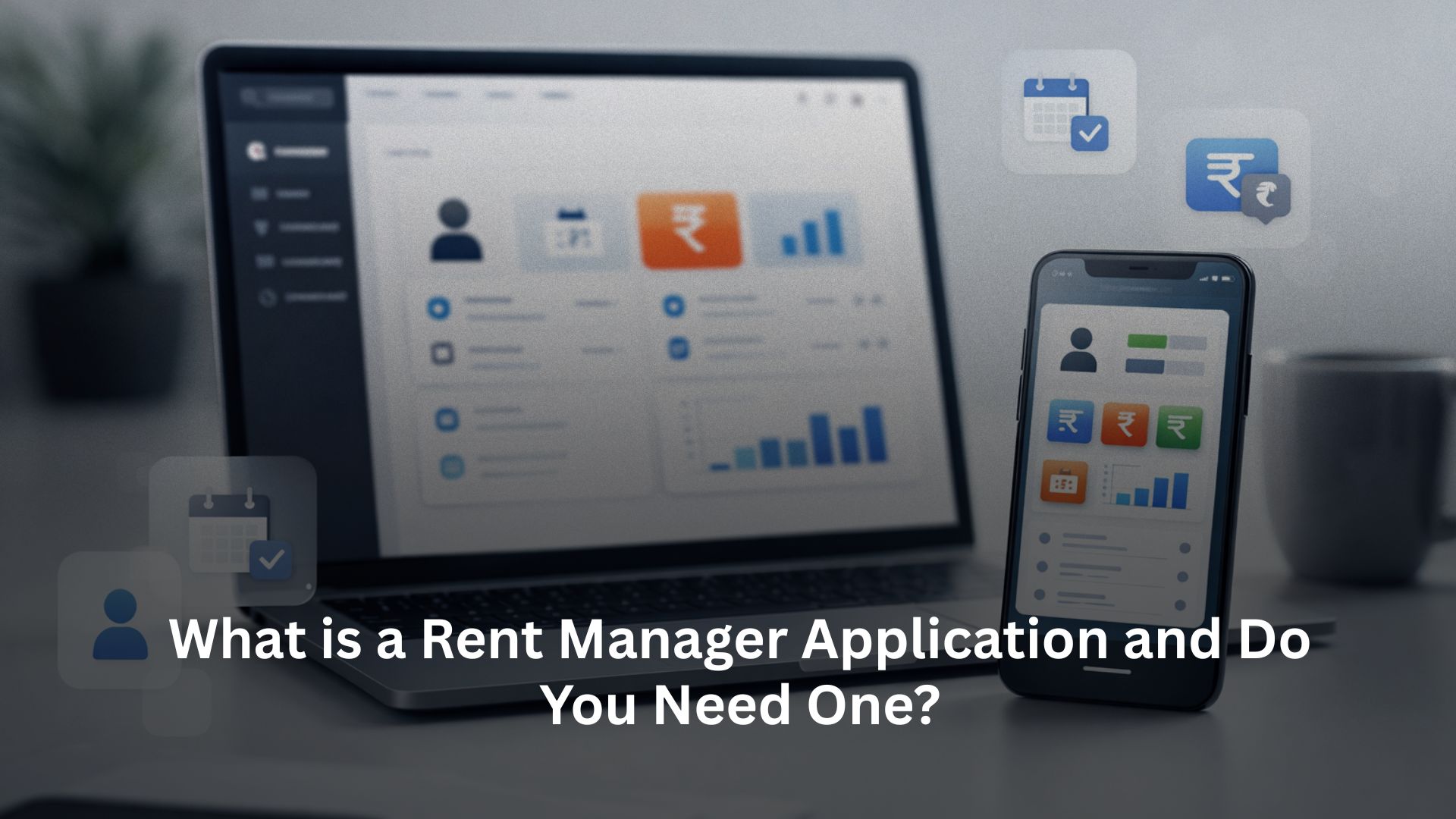
This is where a rent manager application becomes valuable. Instead of juggling spreadsheets and manual tracking, landlords and PG operators can manage their entire rental operation through a single system.
In this guide, we’ll explain what a rent manager application is, how it replaces traditional tools like Excel, and whether you actually need one for your rental business.
The Role of a Rent Manager App
A rent manager application is a digital tool designed to help landlords and property managers handle day-to-day rental operations in an organized and automated way.
Rather than maintaining separate records for tenants, payments, and agreements, everything is managed inside one system.
Most rental management apps help operators handle tasks such as:
- Tenant onboarding and KYC documentation
- Rent tracking and payment reminders
- Lease or agreement management
- Utility bill tracking
- Security deposit records
- Move-in and move-out documentation
For PG owners, hostel operators, or landlords managing multiple units, these tasks can quickly become overwhelming when handled manually.
A rental management app brings structure to these operations and ensures important information is never lost.
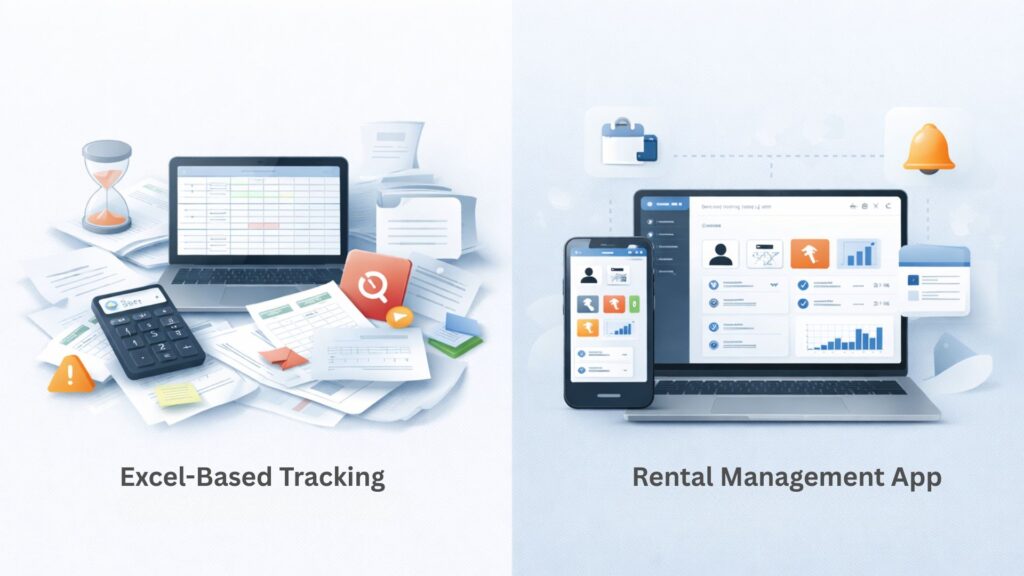
Why Many Owners Are Replacing Excel
For years, Excel spreadsheets were the default tool for property management. They allowed landlords to track rent payments and tenant details in a simple table.
However, Excel has several limitations when rental operations start scaling.
Common problems property owners face with Excel include:
- Payment records scattered across multiple sheets
- Difficulty tracking tenant move-in and move-out dates
- Manual calculations that often lead to errors
- No automatic rent reminders for tenants
- Documents stored separately from payment records
These limitations can create operational friction.
For example, if a tenant gives notice today and the owner forgets to update the spreadsheet, the room may remain vacant longer than necessary. As seen in many PG businesses, delayed updates often lead to unnecessary vacancy loss.
A rental management application solves this by centralizing all data in one place and automating repetitive tasks.
Key Features to Look for in a Rental Management Application
Not every rental management app offers the same capabilities. When evaluating a platform, it’s important to look for features that actually simplify operations.
Some of the most useful features include:
1. Tenant Management
A good rent manager app allows you to store complete tenant profiles including:
- ID documents
- Contact details
- Agreement start and end dates
- Payment history
This ensures every tenant’s information is organized and accessible.
2. Automated Rent Tracking
Manual rent tracking is one of the biggest causes of confusion in rental businesses.
Modern rental management applications can:
- Send automatic rent reminders
- Record digital payments instantly
- Show pending dues in real time
This reduces the need for manual follow-ups.
3. Document Storage
Rental businesses generate many documents:
- Rental agreements
- Identity proofs
- Deposit receipts
- inspection records
A good rental management app stores all documents digitally so they can be accessed anytime.
4. Vacancy and Occupancy Tracking
For PG or co-living operators, vacancy management is critical.
With proper tracking, property owners can quickly see:
- Which rooms are occupied
- Which tenants have given notice
- Which rooms will become vacant soon
This helps reduce vacancy periods and improves revenue planning.
Mobile vs Desktop Rental Management Apps
Another important factor when choosing a rent manager application is accessibility.
Some older property management systems are designed only for desktop computers. While these work for office-based property managers, they are less practical for operators who manage properties on-site.
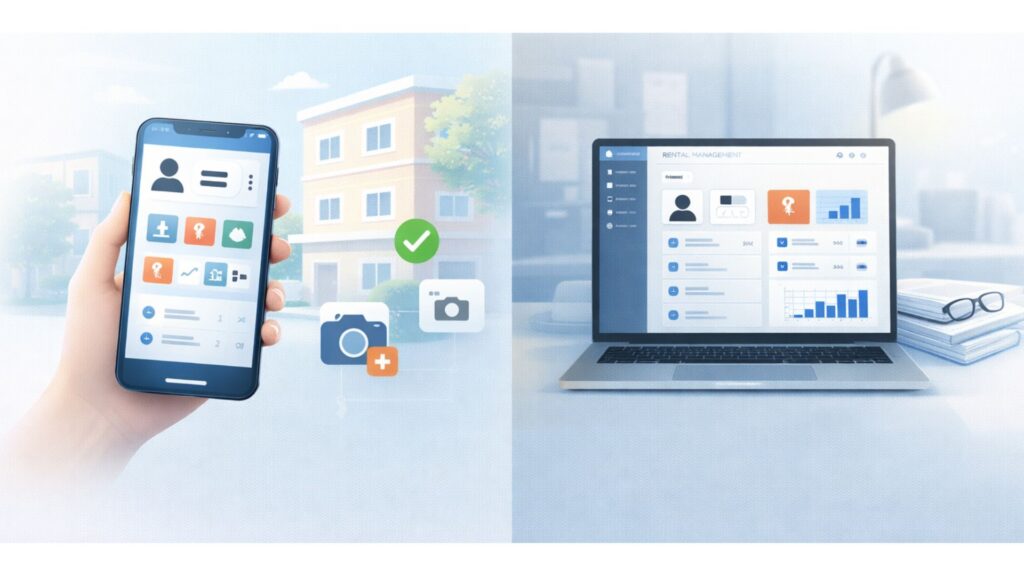
Mobile-friendly rental management apps offer several advantages:
- Owners can track rent collections anytime
- Tenant details are accessible while visiting properties
- Notices and updates can be logged instantly
- Photos and documents can be uploaded on the spot
For many PG operators and small landlords, mobile-first solutions are far more practical than traditional desktop software.
How RentOk Helps Simplify Rental Management
Managing tenants, rent payments, notices, and documents manually can quickly become overwhelming as rental operations grow.
This is where platforms like RentOk help bring structure to the process.
Instead of relying on scattered spreadsheets or manual records, RentOk provides a centralized system where property owners can manage all rental operations from one dashboard.
Some of the practical ways RentOk helps operators include:
- Organizing tenant records and agreements in one place
- Tracking rent payments and pending dues automatically
- Logging tenant notices and move-out dates clearly
- Storing documents and property records digitally
- Monitoring room occupancy and upcoming vacancies
By bringing these functions together in a single rental management application, operators can spend less time managing paperwork and more time improving their property operations.
Conclusion
Rental businesses often start with simple tools like notebooks or Excel sheets. But as the number of tenants grows, manual systems begin to create confusion, missed payments, and operational inefficiencies.
A rent manager application helps solve these problems by organizing tenant records, automating rent tracking, and centralizing property data in one place.
For landlords, PG operators, and property managers who want to run their rentals more professionally, adopting a structured rental management app can make a significant difference in daily operations.
If managing rent, tenants, and property records is starting to feel chaotic, it may be the right time to explore how a dedicated rent manager application like RentOk can bring clarity and efficiency to your rental business.
About the Author
Ishika Pannu
Ishika Pannu brings you the latest insights and easy-to-apply strategies in property management—helping you simplify renting and grow with RentOk.