
Legal
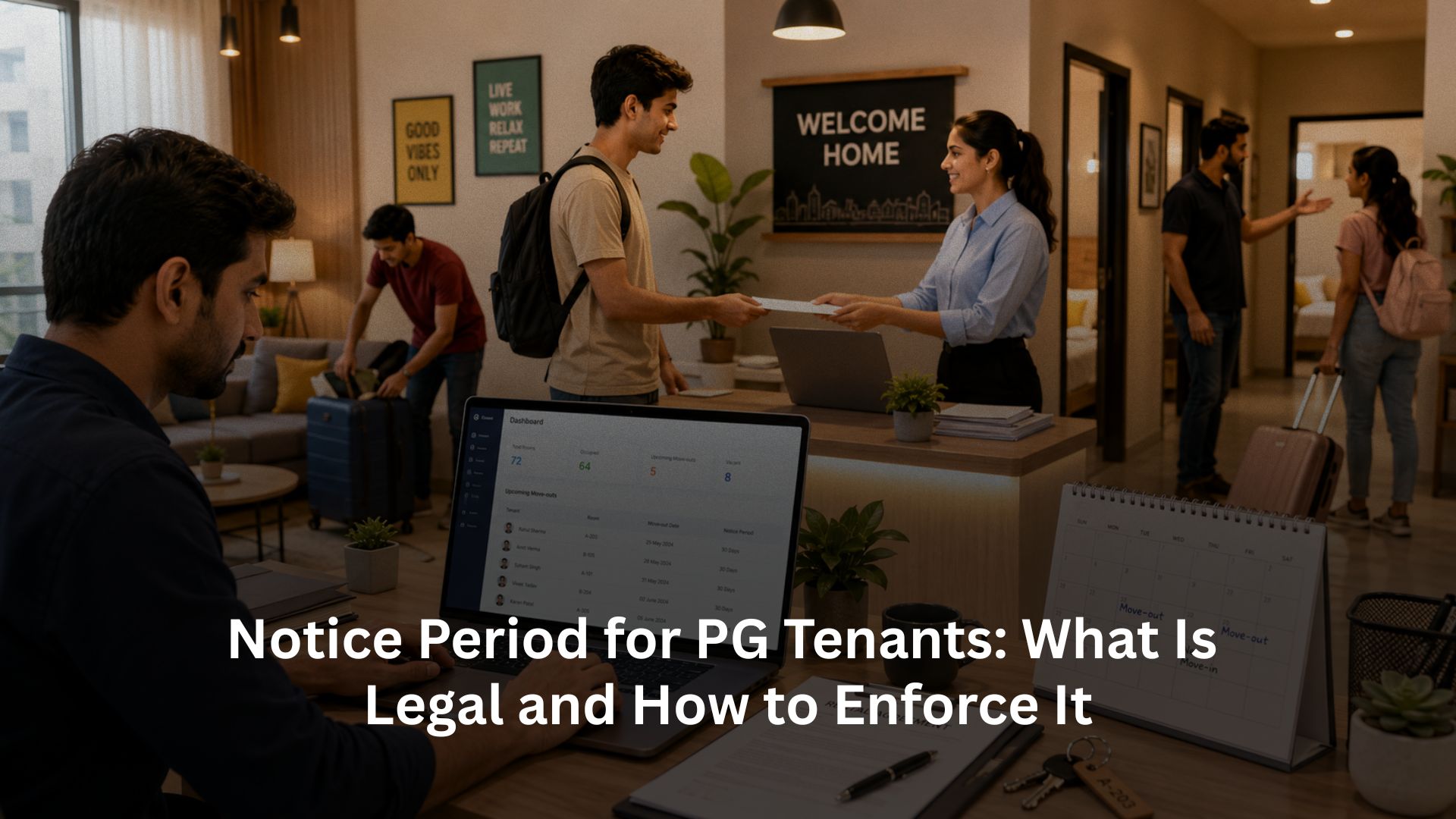
Notice Period for PG Tenants: What Is Legal and How to Enforce It

Written by
Ishika Pannu
Read Time
15 min read
Posted on
July 23, 2026
Overview
Overview
Notice Period for PG Tenants: What Is Legal and How to Enforce It
A notice period is one of the most discussed yet misunderstood aspects of renting a PG. Whether you’re a landlord managing multiple properties or a tenant planning to move out, notice periods often lead to confusion, disagreements, and even legal disputes. In most cases, the issue isn’t the notice period itself. It’s poor communication, inconsistent enforcement, or inadequate documentation from the start.
For PG owners and operators, a tenant leaving without notice disrupts more than occupancy. It affects revenue forecasting, room preparation, marketing efforts, and finding a replacement tenant before the room becomes vacant. At the same time, tenants need reasonable flexibility when relocating for work, education, or personal reasons.
That’s why a clearly defined notice period is more than a legal formality. It’s an operational necessity. When both parties understand the expectations in advance, move-outs become more organized and far less stressful.
In this guide, we’ll explain what Indian law says about notice periods for PG tenants. We’ll also cover whether landlords can enforce them, the common mistakes both parties make, and practical ways to create a fair notice period policy. Finally, we’ll explore how modern property management systems help operators manage notice periods without unnecessary disputes.
If you’re setting up your tenancy policies from scratch, our guide on How to Set Lock-In Period for PG Tenants explains how notice periods and lock-in clauses work together to create a more predictable occupancy cycle.
What Is a Notice Period in a PG?
A notice period is the amount of advance notice that either the tenant or the property owner must provide before ending the stay. It gives both parties enough time to prepare for the transition instead of dealing with an unexpected move-out or eviction.
Unlike residential apartment leases, PG accommodations often have shorter stay durations and higher tenant turnover. Because of this, notice periods play an even bigger role in maintaining operational stability.
A typical notice period allows property owners to:
- Market the room in advance and start accepting inquiries before the existing tenant moves out, reducing vacancy periods and helping maintain consistent occupancy throughout the property.
- Schedule cleaning, maintenance, and inspections without disrupting daily operations, ensuring the room is ready for the next resident as quickly as possible.
- Complete security deposit settlements, outstanding rent calculations, and utility adjustments in a structured manner rather than rushing through financial reconciliations.
- Plan occupancy and cash flow more accurately, especially for operators managing multiple properties where several move-ins and move-outs happen every month.
Similarly, notice periods also benefit tenants because they:
- Provide enough time to arrange alternative accommodation, complete documentation, and coordinate their move without last-minute pressure.
- Reduce the chances of disputes regarding deposits or pending dues, as both parties have adequate time to verify payments and settle accounts transparently.
- Create a documented exit process that protects tenants from unexpected financial claims while ensuring landlords receive sufficient advance information.
When implemented correctly, a notice period creates a win-win situation. Rather than being seen as a restriction, it serves as a planning tool that helps both landlords and tenants prepare for the end of a tenancy in a predictable and organized way.
A notice period, however, is just one part of a well-structured tenancy policy. A clear Tenant Handbook helps tenants understand visitor rules, payment timelines, and move-out procedures before issues arise. It also sets clear expectations from the start of the tenancy.

Is a Notice Period Legally Mandatory for PG Tenants in India?
This is one of the most common questions landlords and tenants ask, but the answer isn’t as straightforward as many expect.
Unlike traditional residential tenancy, there is no single law in India that prescribes a standard notice period specifically for PG accommodations. The applicable notice period usually depends on the agreement signed between the landlord and the tenant at the time of move-in.
If the PG agreement clearly specifies a notice period and both parties have agreed to its terms, it generally becomes the primary document governing the exit process. In the absence of a written agreement, disputes often become more complicated because there is no documented understanding of how the tenancy should end.
This is exactly why professionally managed PGs place significant importance on well-drafted agreements rather than relying on verbal commitments. A written agreement provides clarity on expectations long before either party decides to terminate the stay.
However, simply mentioning a notice period isn’t enough. A well-drafted clause should clearly explain:
- The duration of the notice period and whether it applies equally to both the landlord and the tenant.
- The financial implications if either party fails to serve the required notice, including any applicable deductions or outstanding rent obligations.
- The process for communicating the notice, such as written emails, signed letters, or notices submitted through a property management platform.
- Whether any exceptions exist for emergencies, job transfers, medical situations, or other unforeseen circumstances that may require flexibility.
The clearer these conditions are, the less likely they are to create disagreements later.
A notice period works best when it’s backed by a properly drafted agreement. Read How to Set Lock-In Period for PG Tenants to understand how notice clauses, lock-in periods, and security deposit rules should work together inside a PG agreement.
Why Notice Periods Matter More Than Most Landlords Realize
Many property owners view notice periods primarily as a legal safeguard. In reality, their biggest value lies in operational planning.
Every unexpected move-out creates a chain reaction. The room must be inspected, cleaned, repaired if necessary, listed again, and shown to prospective tenants. If these activities begin only after the tenant has vacated, the property may remain unoccupied for days or even weeks, directly affecting revenue.
As occupancy grows, these challenges become even more significant. A single missed notice may seem manageable, but across dozens or hundreds of tenants, inconsistent move-out planning can create recurring vacancy gaps, additional staffing pressure, and unpredictable cash flow.
Experienced operators enforce notice periods because predictable move-outs make everything, from marketing to maintenance, more efficient.
As your portfolio grows, tracking notice periods, rent, and occupancy in spreadsheets becomes increasingly difficult. If you’re still using Excel, our guide on The Easiest Way to Manage 100+ Tenants Without Using Excel explains why centralized systems become essential as you scale.
Common Notice Period Practices Followed by PGs
Although there isn’t a universal rule for PG notice periods, certain practices have become common across the industry based on operational convenience and tenant expectations. Most professionally managed PGs define these timelines in the rent agreement itself, making them easier to enforce and understand.
The duration often depends on the type of accommodation, tenant profile, and the property’s operating model.
Some of the most commonly followed notice period structures include:
- 15-day notice period, usually seen in short-term stays or flexible accommodations where tenant turnover is expected to be higher and rooms can be filled relatively quickly.
- 30-day notice period, which is the most common across student PGs, co-living spaces, and working professional accommodations. It provides sufficient time for both parties to plan the transition without causing major operational disruptions.
- 45 to 60-day notice period, generally followed by premium managed properties or accommodations with longer average stay durations where replacing a tenant may require additional planning.
The objective isn’t simply to extend the notice period. It is to strike a balance between giving tenants enough flexibility while ensuring the property has adequate time to maintain occupancy and minimize revenue loss.
Regardless of the duration, consistency is what matters most. Standardized notice period policies reduce confusion, build trust, and help avoid disputes.
Many notice period disputes begin during onboarding, when tenants don’t fully understand the agreement they sign. Learn how a structured onboarding process can prevent these misunderstandings in Seamless Digital Tenant Onboarding with RentOk.
Can a Landlord Enforce a Notice Period?
A notice period can only be enforced effectively when it has been agreed upon by both parties and clearly documented in the rental agreement. Simply informing a tenant verbally at the time of move-in is rarely sufficient if a disagreement arises later.
For enforcement to remain fair and transparent, landlords should ensure that tenants understand the policy before signing the agreement rather than discovering its implications during the move-out process.
A well-managed notice period policy should clearly answer questions such as:
- When does the notice period officially begin? Whether it starts from the date the tenant submits written notice or from another agreed milestone should be clearly defined.
- What happens if the tenant leaves without completing the notice period? The agreement should specify how pending rent, security deposit adjustments, or any other financial implications will be handled.
- How should notice be communicated? Accepting written emails, signed applications, or digital submissions creates a documented trail and avoids confusion about whether notice was actually served.
- Are there situations where flexibility may be considered? Genuine cases such as job transfers, medical emergencies, or academic relocations can often be handled more professionally when the agreement already outlines the scope for exceptions.
Landlords who rely on documented processes instead of verbal conversations usually face far fewer disputes because expectations are established well before the tenancy ends.

Common Mistakes That Lead to Notice Period Disputes
Interestingly, notice period disagreements rarely happen because tenants refuse to comply. More often, they occur because the policy itself wasn’t communicated clearly or implemented consistently.
Some of the most common operational mistakes include:
- Mentioning the notice period only during onboarding without explaining how it actually works, leaving tenants unaware of the financial or procedural implications until they decide to move out.
- Maintaining different policies for different tenants without documenting the reason, creating a perception of unfair treatment and making enforcement difficult.
- Relying entirely on verbal conversations instead of maintaining written records, which often leads to conflicting versions of what was agreed upon.
- Processing security deposit deductions without sharing a clear explanation or settlement statement, making tenants feel that deductions were arbitrary rather than policy-driven.
- Treating every early exit as a conflict instead of evaluating individual circumstances, which can damage tenant relationships and affect the property’s reputation in the long run.
Most of these problems are operational rather than legal. They arise because the exit process isn’t standardized, making every move-out feel like a fresh negotiation.
Should Notice Periods Be Different for Students and Working Professionals?
Many operators wonder whether a single notice period policy works for every tenant category. In practice, the answer depends on the property’s operating model.
Student accommodations often experience seasonal movement linked to admissions, internships, examinations, and semester breaks. Working professionals, on the other hand, are more likely to relocate because of job transfers, project assignments, or career changes.
Instead of creating completely different policies, experienced operators usually maintain a standard framework while allowing reasonable flexibility in genuine situations.
For example, flexibility may be considered when:
- A tenant receives an unexpected job transfer and can provide supporting documentation, allowing management to plan the vacancy without unnecessary conflict.
- Students complete their academic program earlier than expected or receive admission in another city, making relocation unavoidable despite the agreed timeline.
- Medical emergencies or family circumstances require an immediate move, where maintaining goodwill may be more valuable than rigid enforcement.
This balanced approach protects operational stability while demonstrating professionalism, ultimately strengthening the property’s reputation among existing and prospective tenants.
Best Practices for Creating and Enforcing a Notice Period Policy
A notice period should never become a source of conflict. Instead, it should function as a standard operating procedure that both landlords and tenants understand from the very beginning of the tenancy.
Professional PG operators don’t rely on last-minute conversations or verbal commitments. They create structured processes that make every move-out predictable, transparent, and easier to manage. The more standardized the process is, the fewer disputes arise during exits.
Some best practices that consistently work across professionally managed properties include:
- Include the complete notice period clause in the rent agreement instead of discussing it verbally during onboarding. A written agreement leaves little room for misunderstanding and serves as the primary reference if questions arise later.
- Walk tenants through important clauses during move-in rather than simply asking them to sign the agreement. Spending a few extra minutes explaining notice periods, deposits, and exit procedures can prevent lengthy disagreements months later.
- Maintain written communication for every notice submitted. Whether it’s through email, a signed application, or a property management platform, documented communication creates accountability for both parties.
- Share a clear exit checklist covering room inspections, pending dues, key handovers, utility settlements, and deposit timelines. This helps tenants understand the process well in advance and reduces uncertainty during move-out.
- Apply policies consistently across all tenants. Selective enforcement often creates more dissatisfaction than the policy itself, especially when residents compare their experiences with others in the same property.
The objective should always be to make the exit process feel professional rather than punitive. A tenant who leaves with a positive experience is far more likely to recommend the property to friends or even return in the future.
How Technology Makes Notice Period Management Easier
Managing notice periods manually may seem manageable when a property has only a handful of tenants. However, as occupancy grows, keeping track of agreements, notice dates, payment records, and move-out timelines through spreadsheets or WhatsApp conversations quickly becomes inefficient.
Many operational issues arise not because tenants fail to serve notice, but because there is no centralized system to record and monitor it. Different staff members may have different information, documents may be difficult to locate, and follow-ups often depend on manual reminders.
Modern property management platforms simplify this process by creating a structured workflow instead of relying on memory or paperwork.
With a centralized system, operators can:
- Track every tenant’s agreement duration, notice period, and expected move-out date from a single dashboard, eliminating the need to search across multiple files or conversations.
- Maintain complete payment histories alongside tenancy records, making it easier to calculate pending dues and security deposit settlements without manual reconciliation.
- Document all communication related to move-outs, ensuring every notice, approval, and update remains accessible whenever required.
- Coordinate room inspections, maintenance schedules, and new bookings more efficiently because upcoming vacancies become visible well in advance.
This operational visibility allows landlords to spend less time managing paperwork and more time planning occupancy, reducing vacancy periods and improving overall efficiency.

How RentOk Helps Manage Notice Periods Efficiently
Managing notice periods becomes increasingly difficult as your property grows. Agreements, payment records, security deposits, move-out requests, and tenant communication often end up scattered across spreadsheets, WhatsApp chats, emails, and physical files. This not only increases administrative work but also makes disputes harder to resolve because information is fragmented.
RentOk helps landlords and PG operators centralize the entire tenant lifecycle within a single platform. From maintaining digital tenant records and payment histories to tracking occupancy and move-outs, operators gain complete visibility over every stage of the tenancy.
With RentOk, property managers can streamline:
- Tenant agreements and documentation.
- Occupancy tracking across multiple properties.
- Payment records and pending dues.
- Move-in and move-out coordination.
- Security deposit settlements.
- Communication history with tenants.
Instead of relying on manual follow-ups, operators can manage exits through a structured workflow that improves transparency for both the management team and the tenant.
Conclusion
A notice period isn’t merely a clause in a PG agreement, it is an essential operational tool that protects both landlords and tenants by bringing structure to the move-out process. When expectations are communicated clearly, documented properly, and enforced consistently, notice periods reduce disputes, improve occupancy planning, and create a more professional rental experience.
Whether you manage a single PG or multiple co-living properties, investing time in creating a transparent notice period policy today can save countless operational challenges in the future.
Looking to create a legally structured PG agreement with clearly defined notice period clauses? Try RentOk’s Rent Agreement Generator to generate professional rental agreements that help protect both your property and your tenants.
Frequently Asked Questions
Find answers to common questions about this topic
About the Author
Ishika Pannu
Ishika Pannu brings you the latest insights and easy-to-apply strategies in property management—helping you simplify renting and grow with RentOk.
You may also like these
Related Articles
1 min read
Is a Notarised Rent Agreement Enough, or Do I Need to Register It?
Written by
Posted on
Ishika Pannu
Oct 5, 2026

1 min read
Which Indian Cities Still Fall Under Old Rent Control Laws?
Written by
Posted on
Ishika Pannu
Oct 3, 2026

1 min read
Managing Rental Property in India as an NRI Landlord
Written by
Posted on
Ishika Pannu
Oct 1, 2026
1 min read
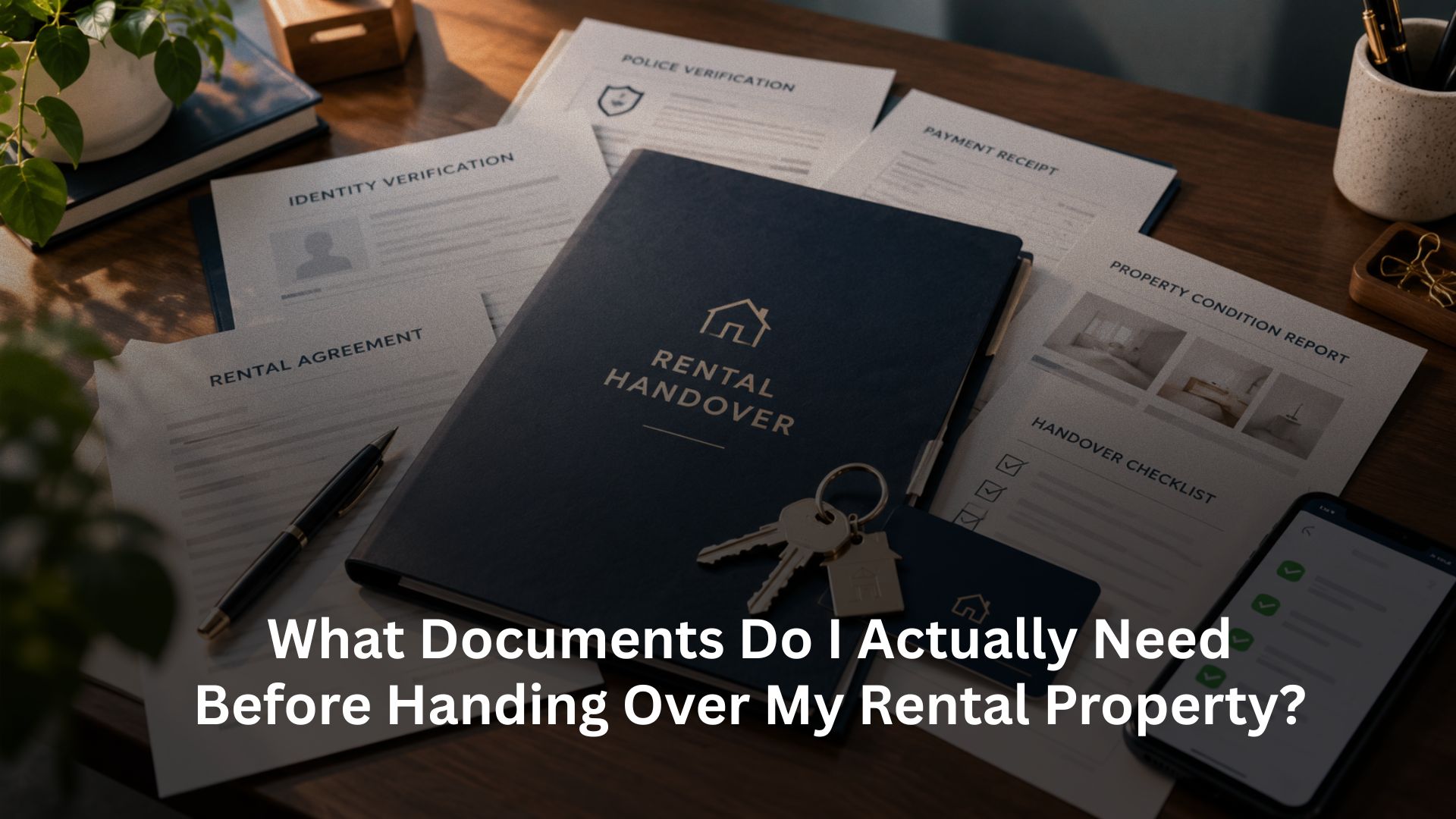
What Documents Do I Actually Need Before Handing Over My Rental Property?
Written by
Posted on
Ishika Pannu
Sep 30, 2026

1 min read
Is a Verbal Rental Agreement Legally Valid in India?
Written by
Posted on
Ishika Pannu
Sep 24, 2026
1 min read
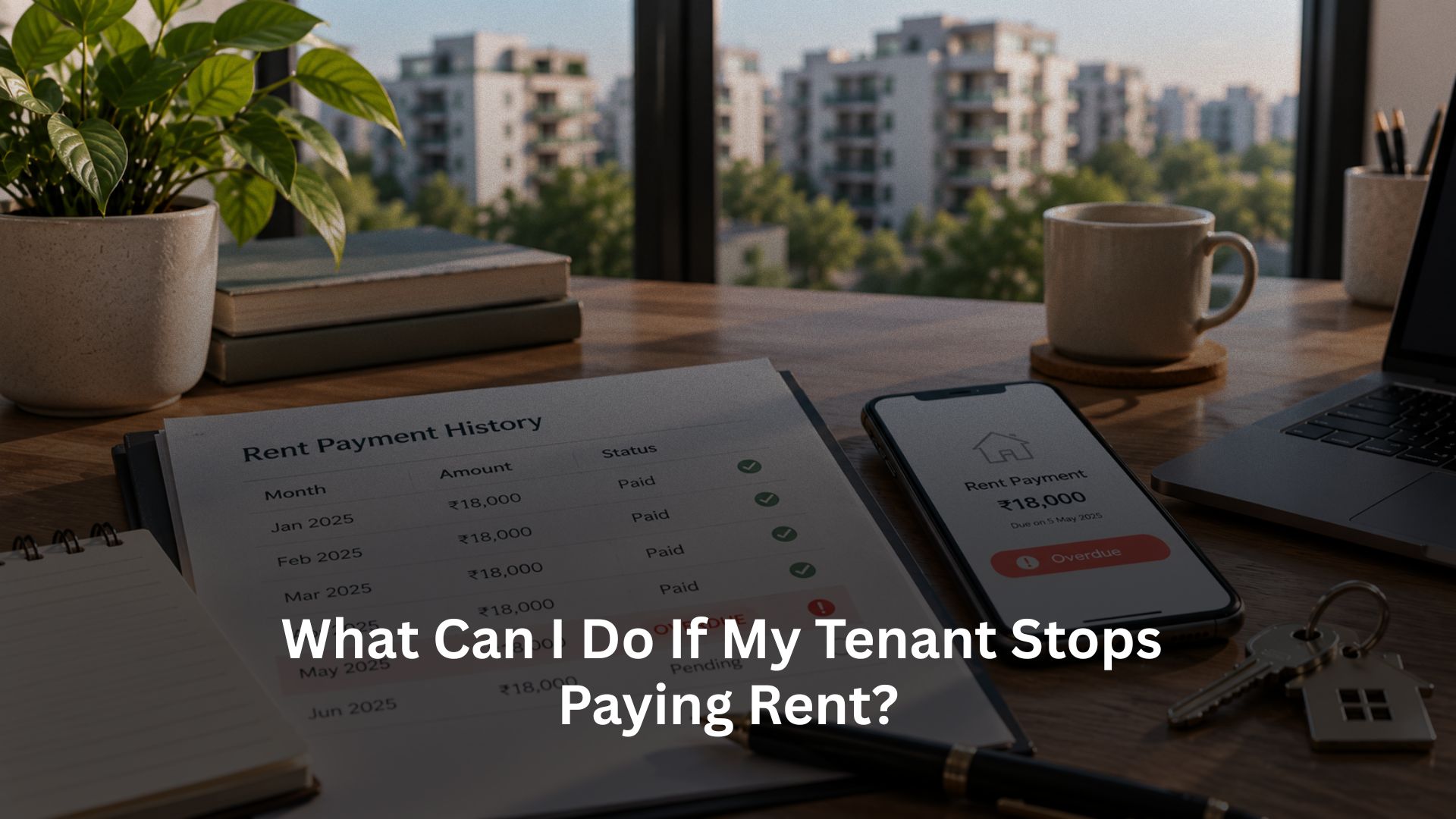
What Can I Do If My Tenant Stops Paying Rent?
Written by
Posted on
Ishika Pannu
Sep 23, 2026

1 min read
How to Check If Your PG or Hostel is Legally Registered in India
Written by
Posted on
Ishika Pannu
Sep 20, 2026
1 min read
How to Negotiate Rent and Maintenance Terms Before Signing
Written by
Posted on
Ishika Pannu
Sep 19, 2026
1 min read
What Your Landlord Can and Cannot Store From Your KYC Documents
Written by
Posted on
Ishika Pannu
Sep 19, 2026
1 min read
Why a Digital Rent Agreement Is Just as Legally Valid as a Paper One
Written by
Posted on
Ishika Pannu
Sep 18, 2026
Stay ahead in property management with expert insights
Join thousands of property managers receiving exclusive tips delivered straight to your inbox.
Browse posts by category
Case Study
Cost of Living
Growth
Legal
Market Trends
News
Pg owner app
Property Management
Property Tax
Tech
RentOk
The easiest way to rent and manage your PGs and hostels.
Grievance Officer
Get the app


Contact us
hello@eazyapp.tech
HQ Office
COGROW, BASEMENT F-12/8A
BESIDE HOUSE OF STYLE SALON, SECTOR 28, DLF PHASE 1
GURUGRAM, HARYANA - 122002
South India Office
LUMIODESK COWORKING, 2ND FLOOR, 40, 14TH MAIN RD
BESIDE MC DONALD, 7TH SECTOR, HSR LAYOUT
BENGALURU, KARNATAKA - 560102
©️ 2026 EazyApp Tech Pvt Ltd. All rights reserved


