
Legal
What Documents Do I Actually Need Before Handing Over My Rental Property?

Written by
Ishika Pannu
Read Time
15 min read
Posted on
September 30, 2026
Overview
Overview
What Documents Do I Actually Need Before Handing Over My Rental Property?
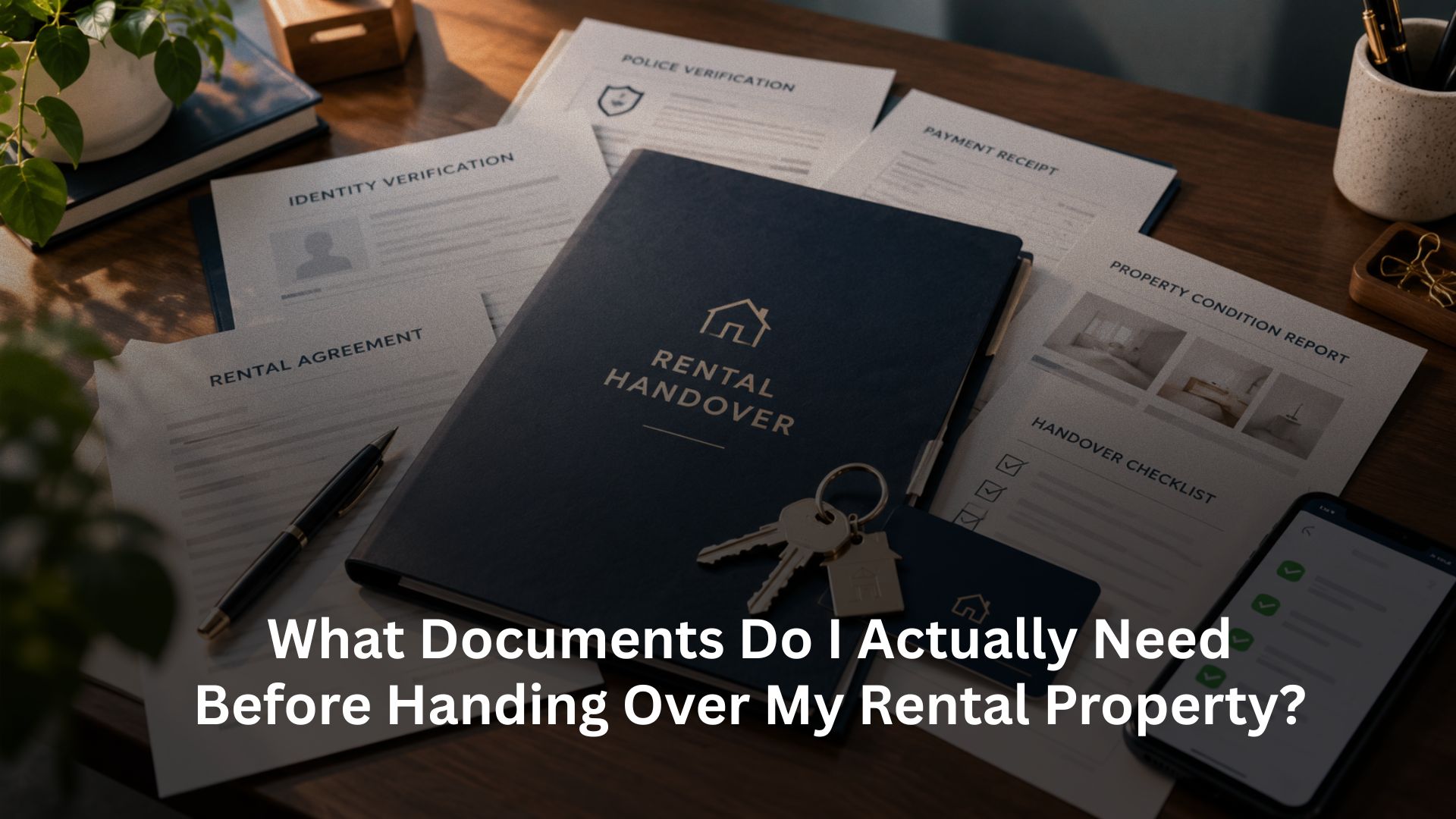
Handing over a rental property is often treated as the final step of a tenant’s move-in. The agreement is signed, the payment is received, the room is ready, and the keys are waiting. From a property management perspective, however, the handover is much more than a key exchange.
It is the point where the tenancy officially moves from discussion to occupation. Every important detail should be clear at this stage. The landlord should know exactly who is moving in. The tenant should know what they are receiving. The property team should have a record of what has been agreed, paid, verified, and handed over.
This becomes even more important for PGs, hostels, co-living spaces, and managed rental properties. A landlord managing two tenants may remember most of the details without much effort. A property manager handling 100 or 200 residents cannot depend on memory. Every move-in creates another set of documents, payments, room details, verification records, and handover information.
A proper rental handover checklist brings all of this together. It also creates a useful reference for the rest of the tenancy. The same records can become important when managing payments, handling complaints, tracking maintenance, settling deposits, or processing the tenant’s eventual move-out.
The exact documentation requirements can vary based on the location, property type, tenancy arrangement, and applicable local rules. Tenant verification is a good example. Different states and police jurisdictions can have different forms, portals, and documentation requirements.
So, before handing over your rental property, what should actually be ready?
1. Start With the Tenant’s Identity and Address Details
Every rental handover should begin with a reliable tenant record. Identity and address information form the foundation of that record. Without accurate details, even routine property management tasks can become difficult later.
For a conventional rental property, this may involve collecting government-issued identity and address documents along with contact information. PGs and co-living properties may also need additional information, such as the tenant’s college, employer, occupation, emergency contact, or other details required by their internal onboarding process.
The important part is not simply collecting documents. The information should be checked and entered consistently. The name on the tenant profile should match the relevant documentation. Contact details should be current. The property team should also know which room or unit belongs to that tenant.
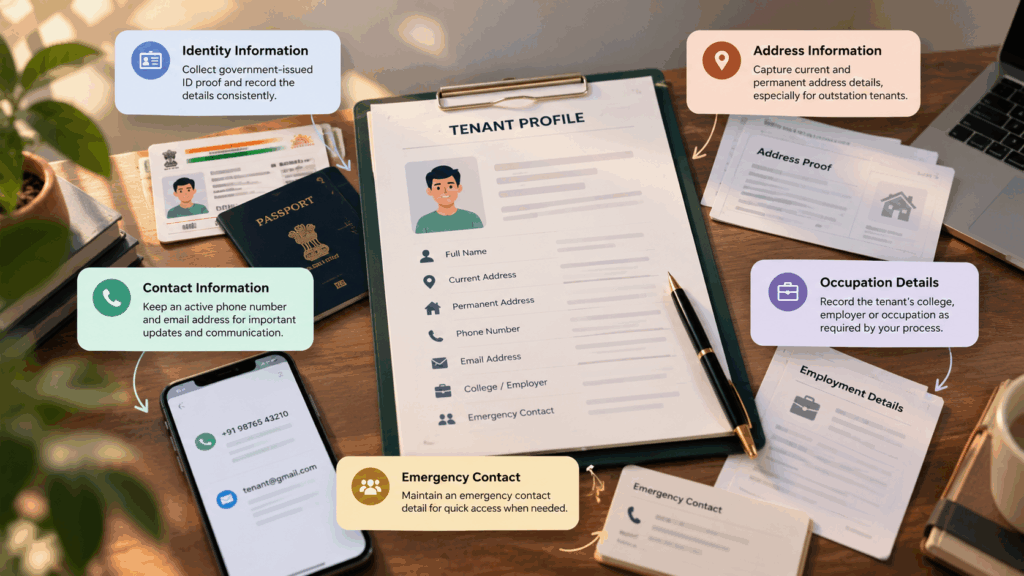
A complete tenant profile will usually bring together:
- Identity information: Record the tenant’s full name and relevant identification details consistently across the tenant profile, agreement, verification records, and other property documents.
- Address information: Capture the current and permanent address details required for the tenancy or applicable verification process, especially when the tenant has relocated from another city.
- Contact information: Keep the tenant’s active phone number and email address available for rent communication, property notices, maintenance updates, and other important correspondence.
- Emergency contact details: Where part of the property’s onboarding process, maintain an emergency contact that can be reached when the situation genuinely requires it.
This is also where a standardized onboarding process starts making a difference. RentOk’s How to Onboard a New Tenant in Under 10 Minutes explains why collecting tenant information through one defined workflow is more effective than requesting documents through multiple conversations.
A structured record also reduces repeated follow-ups. Instead of asking a tenant for the same information every time a new process begins, the property team has one reliable source to refer to.
2. Tenant Verification Should Be Part of the Handover Process
Tenant verification should not become an afterthought once the tenant has already occupied the property. Where verification is required, it should be built into the onboarding and handover workflow.
There is no single tenant verification checklist that applies identically across India. The applicable authority, submission process, forms, and required information can differ by state and city. Delhi, Mumbai, Hyderabad, and other locations may therefore require different processes.
This makes one thing particularly important for property owners: check the requirements that apply to your property instead of copying a checklist from another location.
Before completing the handover, the property team should know which verification process applies and what information it requires. The internal record should also show whether the verification is pending, submitted, completed, or requires additional action.
Typical documentation may include:
- Identity and address information required by the relevant authority.
- Tenant photographs and contact details where requested.
- Property and rental information connecting the tenant to the premises.
- Landlord or property-owner information where required.
- Proof of submission or acknowledgement after the verification request has been completed.
RentOk’s What Documents Do You Need for Tenant Police Verification? goes deeper into these document categories and the differences that can exist between jurisdictions.
The important operational lesson is simple. Verification should leave behind a proper record. A staff member saying, “The tenant’s verification was done,” is not the same as having the application details, supporting documents, and acknowledgement available when they are needed.
3. The Rental Agreement Is the Foundation of the Tenancy
A signed rental agreement is one of the most important documents in the handover process. It establishes the terms under which the tenant is occupying the property and provides a reference for both parties throughout the tenancy.
The agreement should accurately reflect the actual arrangement. That includes the landlord and tenant details, property information, tenancy period, rent, security deposit, payment terms, notice period, and other applicable conditions.
For PGs and co-living properties, the agreement may also need to work alongside property-specific rules. These could cover shared spaces, visitors, food services, maintenance responsibilities, occupancy restrictions, utilities, or additional services.
Accuracy matters here. A mismatch between the agreement and the actual tenancy can create confusion later. If the agreement mentions one deposit amount while the payment record shows another, the property team has created an avoidable problem before the tenant has even settled in.
The same applies to the property itself. The room, unit, or bed assigned to the tenant should correspond with the relevant property records.
Before handing over possession, make sure the agreement has been properly executed and that the tenant has access to the relevant copy. Where registration or stamping requirements apply, those should also be addressed according to the applicable law and local procedure.
For a deeper look at this part of the process, RentOk’s guide on Why Your Rent Agreement Must Be Registered – And How to Do It covers the agreement and registration process in greater detail.
4. Keep Rent, Deposit and Other Payment Records Together
The financial side of a move-in can involve more than one transaction. A tenant may pay a security deposit, advance rent, booking amount, maintenance charges, utility-related amounts, or other agreed fees.
When these payments are spread across bank statements, screenshots, notebooks, and spreadsheets, the full financial picture becomes difficult to track. A proper handover process should connect every important payment to the tenant’s record.
The property team should be able to identify what was paid, when it was paid, and what the payment represented.
This becomes especially useful later. At move-out, the same records may be needed to calculate pending dues, refunds, adjustments, or deductions. A payment that was obvious six months ago may not be so easy to identify when a different employee is handling the move-out.
A well-maintained payment record should cover:
- Security deposit: Record the agreed amount, actual payment received, payment date, and relevant transaction details so that the deposit position remains clear.
- Rent and advance payments: Maintain the rent cycle and any advance amount against the correct tenant and occupancy period.
- Additional charges: Keep maintenance, utilities, food, parking, or other applicable charges identifiable instead of combining everything into one unexplained amount.
- Receipts and acknowledgements: Maintain a clear history of payments so both the tenant and property team can refer back to the same information.
This is one reason digital property management becomes more useful as a rental business grows. The issue is not that property teams cannot maintain spreadsheets. The issue is that every additional tenant creates another record that has to stay accurate.
5. Create an Inventory and Property Condition Report
One of the most overlooked parts of a rental handover is documenting the condition of the property before the tenant moves in.
Consider a furnished PG room. It may contain a bed, mattress, cupboard, table, chair, fan, lights, appliances, and other fixtures. Everything looks fine during move-in. Six months later, one item is damaged.
Who is responsible?
Without a starting record, the answer can quickly become a disagreement.
An inventory and condition report establishes a documented starting point. It records what was provided and highlights any damage or wear that existed before the tenant took possession.
The report does not need to become an exhausting inspection of every corner of the property. It should focus on the items and conditions that could reasonably matter later.
A useful handover record can include:
- Furniture and appliances provided with the room or property, along with their condition at handover.
- Existing marks, stains, damaged fittings, wall issues, appliance problems, or other conditions that were already present.
- Meter readings where these are relevant to the tenancy and billing arrangement.
- Keys, access cards, remotes, or other property assets provided to the tenant.
- Photographs of the room and important assets where visual evidence would make the record stronger.
Photographs are particularly useful because they reduce dependence on memory. A photograph taken on the day of handover can be much more useful six months later than two different recollections of what the room looked like.
The same principle becomes important during move-out. RentOk’s How to Manage Move-In and Move-Out Smoothly discusses the importance of keeping the two sides of the tenant lifecycle connected rather than treating move-in and move-out as completely separate processes.

6. Record the Actual Handover, Not Just the Documents
Documentation alone does not complete a handover. The physical possession process should also be recorded.
This becomes particularly important in PGs and co-living properties. A tenant may not simply receive a flat. They may receive a particular room, bed, access card, cupboard, parking slot, or set of shared-property permissions.
The handover record should establish exactly what the tenant received.
That can include:
- The property, room, unit, or bed assigned to the tenant and the date on which occupancy begins.
- Keys, access cards, remotes, or other access items provided during move-in.
- Essential property information, such as Wi-Fi details, house rules, facility instructions, or emergency contacts.
- Confirmation that the room has completed the required cleaning, maintenance, and readiness checks.
- Tenant acknowledgement that the property and relevant access items have been received.
These details may seem minor when one tenant is moving in. They become much more important when multiple employees are managing several properties.
A standardized handover process means that the quality of the move-in does not depend entirely on who happens to be managing it that day.
7. What Should a Digital Handover Checklist Actually Contain?
The purpose of a checklist is not to create more paperwork. It is to make sure that important steps do not disappear when the property team gets busy.
A move-in can involve several activities at the same time. One employee may be collecting documents. Another may be preparing the room. Someone else may be confirming payment. Without a defined workflow, one missing step can easily go unnoticed.
A digital handover checklist brings these activities into one sequence:
Tenant details → verification → agreement → payments → inventory → room allocation → access handover → tenant acknowledgement.
That sequence gives the property team a clear view of what has been completed and what is still pending.
For larger properties, this visibility becomes increasingly important. A manager should not need to search through multiple WhatsApp chats or ask three different employees to determine whether a tenant’s documents are complete.
RentOk’s How to Track Booking and Upcoming Tenants also highlights the importance of preparing tenant information, documentation, room readiness, and payment details before the actual move-in.
A practical checklist can therefore act as a control point between booking and occupancy.
8. The Best Handover Checklist Is One Your Team Will Actually Use
It is tempting to make a handover checklist extremely detailed. More fields can appear to mean better control. In practice, a checklist that takes too long to complete often gets skipped, rushed, or handled inconsistently.
The better approach is to identify the information that actually matters.
Before possession is handed over, the team should be able to confirm that the tenant’s identity and contact information are complete. Applicable verification steps should also be recorded. The agreement and payment records should match the actual tenancy. Finally, the property condition, room allocation, access items, and tenant acknowledgement should all be documented.
That creates a useful distinction between two statements:
“The tenant has moved in.”
and
“The tenant has been properly onboarded and the handover has been documented.”
For a professional rental operation, the second statement is far more valuable.
9. Why Documentation Becomes Harder as Your Property Grows
A single rental property may not feel difficult to document. The problem appears when the number of tenants increases.
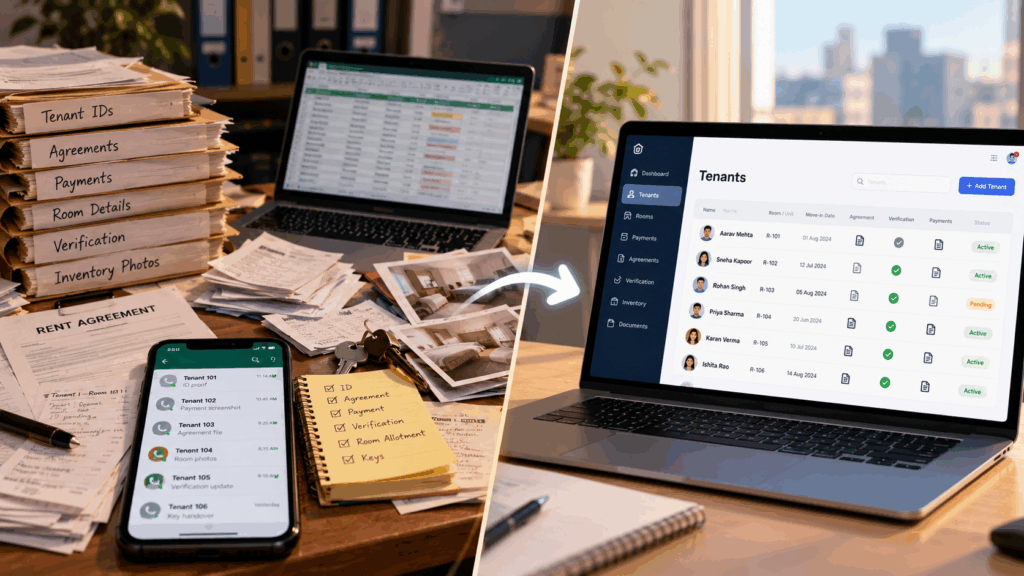
A PG with 20 residents might still manage its records through a combination of spreadsheets, folders, WhatsApp conversations, and paper documents. At 100 or 200 tenants, that same approach starts creating gaps.
One tenant’s ID may be saved on a staff member’s phone. Another tenant’s agreement may sit inside an email. Inventory photographs could be stored in a separate folder. Payment information may exist somewhere else.
Every individual record exists. Yet there is no single, reliable view of the tenant.
That is the real problem with manual handover management.
Property teams need to answer basic questions quickly:
- Who is this tenant and when did they move in?
- Which room or unit were they assigned?
- What deposit and rent have they paid?
- Was the agreement completed?
- Was the applicable verification process initiated?
- What was the condition of the property at handover?
- Which keys, cards, or other assets were provided?
A structured system makes these answers easier to retrieve. It also reduces the amount of time employees spend reconstructing information that should already be available.
For operators managing larger portfolios, this connects directly with the broader shift from manual registers to digital property management. RentOk’s Property Management Apps to Replace Manual Registers explores why recurring property operations become increasingly difficult to manage through disconnected records.
How RentOk Helps With Rental Handover
RentOk helps PG owners, landlords, and property managers organize the operational information surrounding the tenant lifecycle. Instead of treating tenant documents, payments, occupancy information, and property tasks as separate records, RentOk brings key property management workflows into a more structured system.
That becomes particularly useful during frequent move-ins. Teams can maintain tenant information, track payments and dues, manage occupancy details, and coordinate everyday property operations without depending entirely on scattered spreadsheets and conversations.
The objective is not simply to digitize paperwork. It is to make the entire process more consistent.
When a tenant record is organized from the beginning, the information collected during onboarding can continue to support the property team throughout the tenancy. That same record can later become useful for payments, complaints, maintenance, communication, and move-out.
For a growing rental business, this creates something more valuable than a completed checklist: operational visibility.
Conclusion: Make Every Rental Handover Count
A rental handover should never be reduced to signing an agreement and giving a tenant the keys. It establishes the starting point for the entire tenancy.
The strongest handover process brings together tenant identity and address details, applicable verification records, the rental agreement, payment information, inventory, property condition, room allocation, access details, and tenant acknowledgement.
The exact legal and verification requirements can vary by location. Property owners should therefore confirm the rules that apply to their specific property before finalizing their process.
The operational principle, however, remains the same. If a piece of information can affect the tenancy later, it should be recorded properly when the tenant moves in.
A well-documented handover creates clarity for everyone involved. It gives tenants a clearer understanding of what they have received. It gives property teams a reliable reference. Most importantly, it gives growing rental businesses a process that can be repeated without depending on individual memory.
Run Your Handover Checklist on RentOk and bring tenant documentation, payments, occupancy records, and property operations into one organized workflow.
Frequently Asked Questions
Find answers to common questions about this topic
About the Author
Ishika Pannu
Ishika Pannu brings you the latest insights and easy-to-apply strategies in property management—helping you simplify renting and grow with RentOk.
You may also like these
Related Articles

1 min read
Is a Verbal Rental Agreement Legally Valid in India?
Written by
Posted on
Ishika Pannu
Sep 24, 2026
1 min read
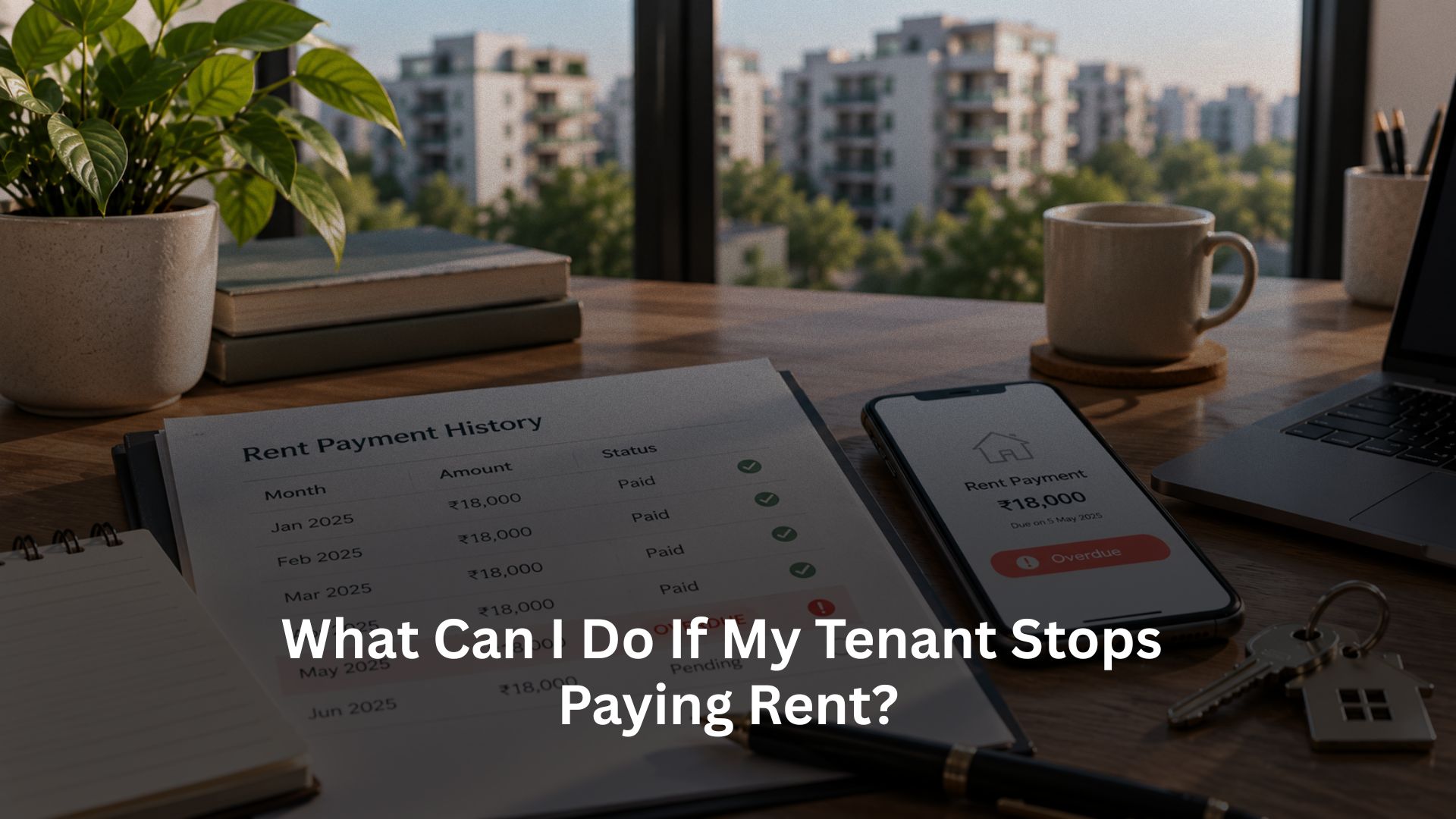
What Can I Do If My Tenant Stops Paying Rent?
Written by
Posted on
Ishika Pannu
Sep 23, 2026
1 min read
How to Check If Your PG or Hostel is Legally Registered in India
Written by
Posted on
Ishika Pannu
Sep 20, 2026
1 min read
How to Negotiate Rent and Maintenance Terms Before Signing
Written by
Posted on
Ishika Pannu
Sep 19, 2026
1 min read
What Your Landlord Can and Cannot Store From Your KYC Documents
Written by
Posted on
Ishika Pannu
Sep 19, 2026
1 min read
Why a Digital Rent Agreement Is Just as Legally Valid as a Paper One
Written by
Posted on
Ishika Pannu
Sep 18, 2026

1 min read
What Is Rent Control Law in India, and Which Cities Are Still Covered?
Written by
Posted on
Ishika Pannu
Sep 18, 2026

1 min read
Why Rent Agreement Rules Are Different in Every Indian State
Written by
Posted on
Ishika Pannu
Sep 17, 2026

1 min read
How Working Professionals Can Complete Tenant Verification Quickly
Written by
Posted on
Ishika Pannu
Sep 17, 2026
1 min read
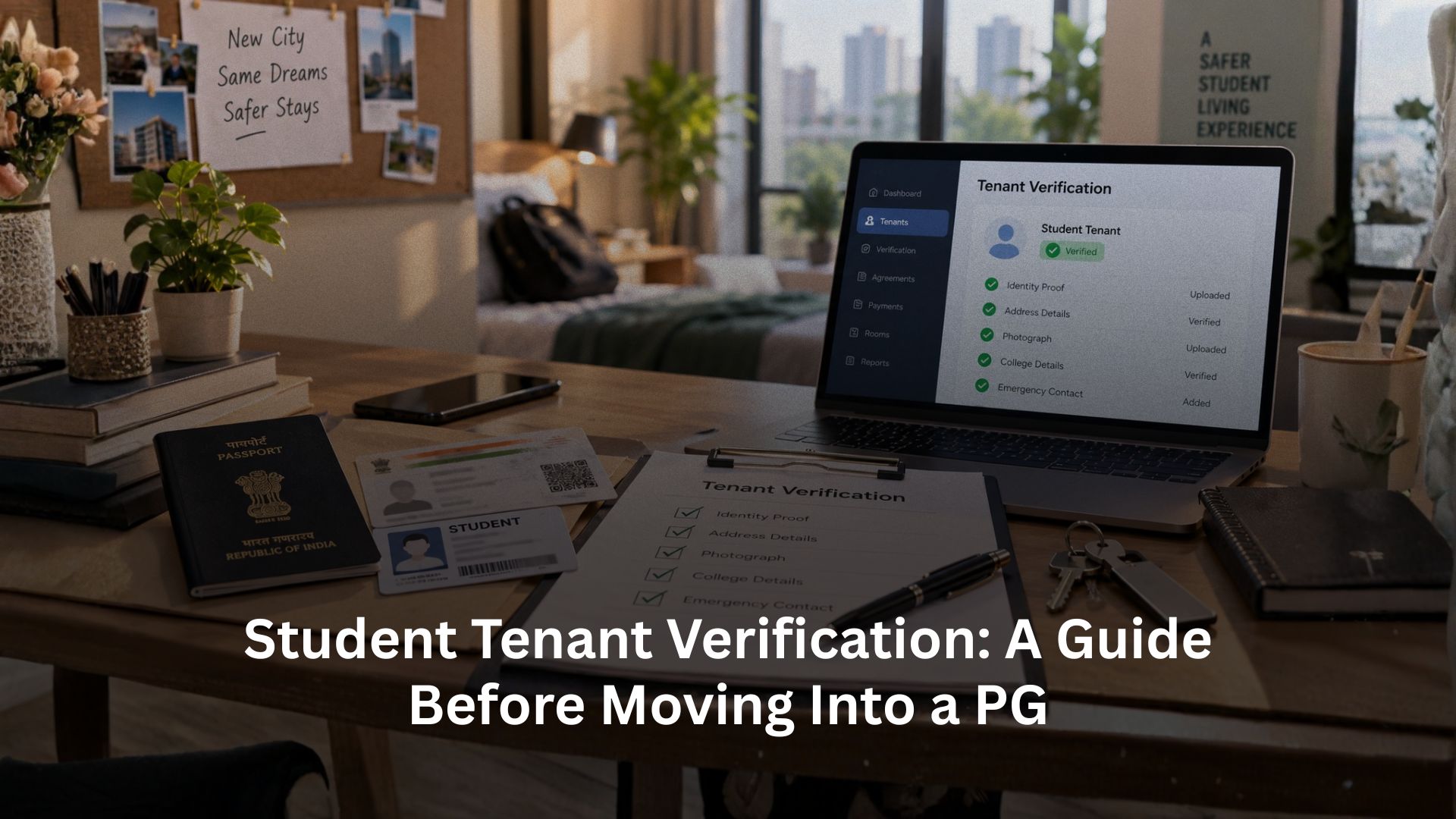
Student Tenant Verification: A Guide Before Moving Into a PG
Written by
Posted on
Ishika Pannu
Sep 16, 2026
Stay ahead in property management with expert insights
Join thousands of property managers receiving exclusive tips delivered straight to your inbox.
Browse posts by category
Case Study
Cost of Living
Growth
Legal
Market Trends
News
Pg owner app
Property Management
Property Tax
Tech
RentOk
The easiest way to rent and manage your PGs and hostels.
Grievance Officer
Get the app


Contact us
hello@eazyapp.tech
HQ Office
COGROW, BASEMENT F-12/8A
BESIDE HOUSE OF STYLE SALON, SECTOR 28, DLF PHASE 1
GURUGRAM, HARYANA - 122002
South India Office
LUMIODESK COWORKING, 2ND FLOOR, 40, 14TH MAIN RD
BESIDE MC DONALD, 7TH SECTOR, HSR LAYOUT
BENGALURU, KARNATAKA - 560102
©️ 2026 EazyApp Tech Pvt Ltd. All rights reserved


