
Market Trends
Understanding Rental Inventory Management Software

Written by
Ishika Pannu
Read Time
7 min read
Posted on
April 10, 2026
Overview
Overview
Understanding Rental Inventory Management Software
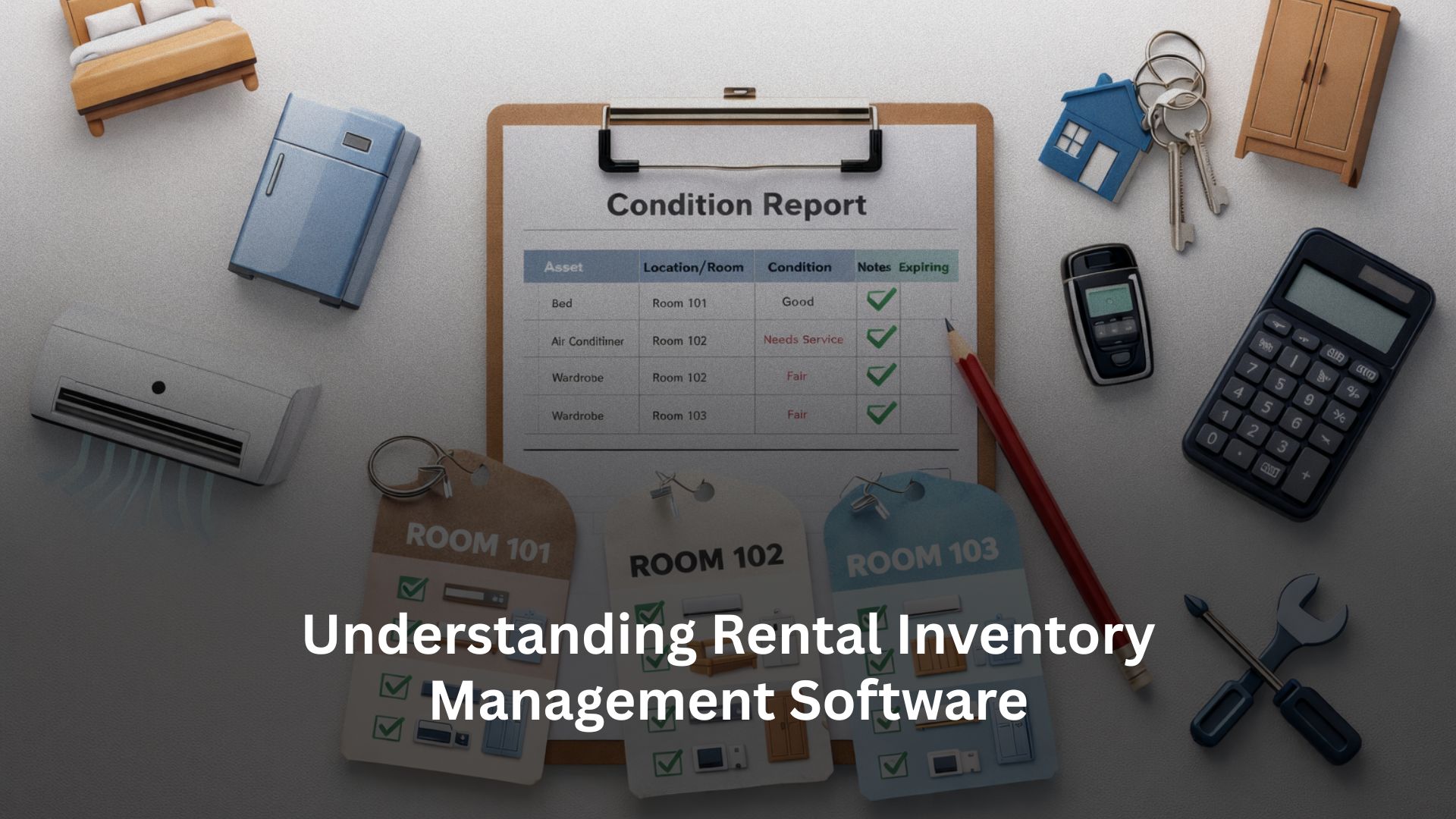
Managing rental properties goes beyond tenants and rent collection. Every property includes physical assets, furniture, appliances, fixtures, and equipment that need to be tracked and maintained over time.
From AC units and beds to wardrobes and study tables, these assets directly influence tenant experience and operational costs. When inventory isn’t properly tracked, it becomes difficult to monitor condition, plan replacements, or identify responsibility during tenant movement.
This is where rental inventory management software becomes essential. It helps landlords and property managers track assets, monitor their condition, understand depreciation, and connect inventory directly to rooms and leases.
For furnished rentals, PGs, hostels, and co-living spaces, inventory tracking plays an important role in maintaining operational clarity. As properties scale, managing inventory manually becomes harder, making structured systems increasingly valuable.
Why Rental Inventory Management is Often Overlooked
Most landlords initially focus on rent collection, occupancy, and tenant management. Inventory tracking often becomes a priority only after issues begin to appear. A missing chair, damaged mattress, or malfunctioning appliance may seem minor, but these small gaps can quickly turn into recurring operational problems.
Without structured inventory tracking, landlords often struggle to answer simple questions. When was the item installed? Was it already damaged? Has it been repaired before? These uncertainties lead to confusion, delayed decisions, and sometimes tenant disputes.
Over time, these issues compound, especially in furnished rentals where inventory changes frequently. Rental inventory software helps bring structure by maintaining clear records of assets, their condition, and their usage across rooms.
Instead of reacting to problems, landlords gain the ability to track and manage inventory proactively.

Tracking Property Assets: More Than Just a List
Many landlords start with a simple list of items in each room. While this approach works initially, it becomes difficult to manage as properties grow and tenant turnover increases.
Rental asset management software helps track assets in a structured and organized manner. It allows landlords to manage inventory at the property, room, or tenant level while maintaining consistency.
Common assets that typically require tracking include:
- Beds and mattresses that experience regular wear and require timely replacement planning
- Wardrobes and storage units that often face damage during tenant movement
- Air conditioners and fans that require servicing and performance monitoring
- Refrigerators and appliances that need maintenance tracking and lifecycle management
- Chairs, tables, and desks that frequently move between rooms and require accountability
Instead of manually inspecting each room, property managers can access inventory details instantly. This becomes especially helpful during tenant move-ins, inspections, and maintenance planning.
Structured asset tracking helps reduce confusion and ensures consistency across properties.
Why Asset Tracking Matters for Growing Rental Businesses
As rental portfolios expand, inventory tracking becomes more complex. Managing multiple rooms with similar assets makes it difficult to maintain visibility without structured systems.
For example, if you manage multiple furnished rooms, keeping track of each item manually can lead to missing inventory, delayed replacements, and inconsistent room setups.
Rental inventory management software improves operational clarity by providing visibility into every asset across properties. This helps property managers make informed decisions and maintain property standards.
Some key benefits include:
- Maintenance planning becomes easier when you know which assets require servicing or replacement
- Budgeting improves with visibility into asset lifecycle and depreciation timelines
- Tenant experience improves when rooms are consistently equipped and maintained
- Operational efficiency increases by reducing manual checks and inspections
Over time, proper inventory tracking helps maintain property quality and reduce operational stress.
Condition Reports: Preventing Disputes and Confusion
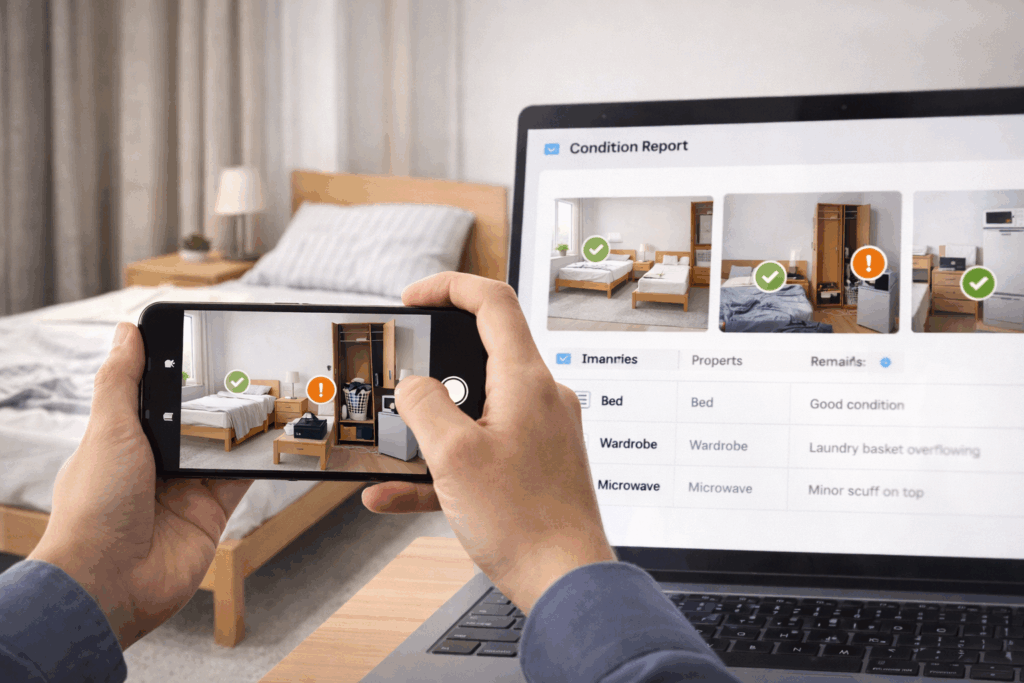
Condition tracking is one of the most valuable aspects of rental inventory management software. It helps document the condition of items during tenant move-ins and move-outs.
When tenants move in, the condition of each asset can be recorded with notes and observations. This creates a baseline for future inspections.
Condition reports usually include:
- Item condition at move-in, ensuring transparency at the start of tenancy
- Notes on wear and tear, helping distinguish between normal usage and damage
- Maintenance history, providing context for previous repairs
- Inspection remarks, helping track asset condition over time
When tenants move out, the same inventory can be reviewed again. This makes it easier to identify damage, missing items, or maintenance needs.
Condition reports reduce disputes and improve accountability. Instead of relying on assumptions, property managers have documented records.
Depreciation Basics: Planning for Asset Replacement
Rental property assets naturally depreciate over time. Furniture wears out, appliances lose efficiency, and fixtures gradually decline. If depreciation isn’t tracked, replacements usually happen only after breakdowns, leading to unexpected costs and operational disruptions.
Tracking depreciation helps property managers plan ahead instead of reacting to problems. By understanding asset lifecycles, managers can schedule maintenance, budget for replacements, and maintain consistent property quality. For example, mattresses may need replacement after a few years, while AC units require regular servicing to stay efficient.
Rental inventory software makes depreciation tracking easier by recording key details such as:
- Installation or purchase date to estimate asset lifespan
- Maintenance history to identify recurring issues
- Replacement timelines to plan upgrades in advance
- Condition trends to monitor wear and tear
With this information, property managers can avoid sudden failures, reduce emergency repairs, and spread costs more effectively. Even basic depreciation tracking improves long-term planning, operational efficiency, and tenant satisfaction. This improves long-term planning and operational efficiency.
Tying Inventory to Rooms and Leases
One of the most useful features of rental inventory management software is linking inventory directly to rooms and leases. This creates a structured workflow for managing tenant movement.
When assets are mapped to rooms, move-ins and move-outs become easier to manage. Property managers can quickly verify inventory and ensure rooms are properly equipped.
This helps:
- Speed up move-ins by ensuring all required assets are available
- Simplify move-outs by verifying inventory quickly and efficiently
- Improve accountability by linking assets to tenants
- Maintain consistency across rooms and properties
This approach is particularly useful for PG accommodations, furnished rentals, and co-living spaces where tenant turnover is frequent.
Why Manual Inventory Tracking Stops Working
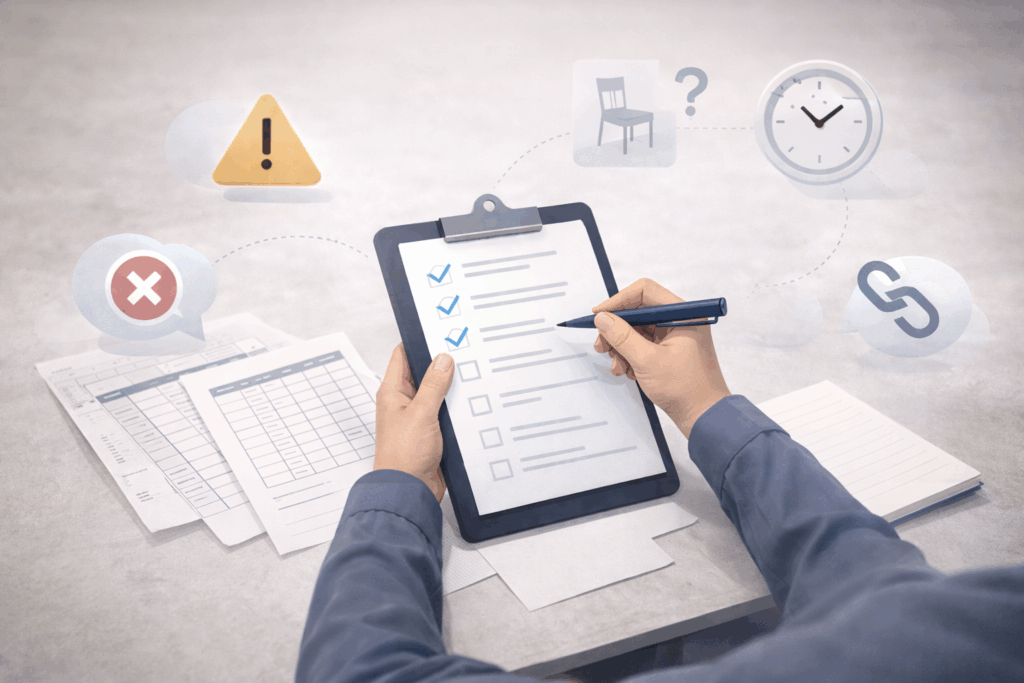
Manual inventory tracking may seem manageable in the beginning. Many landlords rely on spreadsheets, notebooks, or basic lists to track assets. However, as properties grow, this approach becomes difficult to maintain.
The biggest challenge with manual tracking is consistency. Updates are often delayed, records become outdated, and asset movement across rooms becomes harder to track. Over time, this leads to missing inventory, inaccurate records, and confusion during inspections.
Manual tracking also requires significant time and effort. Property managers must physically verify rooms, update spreadsheets, and maintain records manually. This increases operational workload and leaves room for errors.
Some common challenges with manual tracking include:
- Outdated inventory records that do not reflect actual room conditions
- Missing asset details due to delayed updates or oversight
- Difficulty tracking asset condition across multiple tenant cycles
- Increased time spent on inspections and manual verification
As rental operations grow, these issues become more noticeable. This is why many landlords shift to rental inventory management software.
How RentOk Helps Simplify Rental Inventory Management
Managing rental inventory manually often leads to scattered records, delayed updates, and difficulty tracking assets across rooms. As tenant movement increases, these challenges become more noticeable and time-consuming.
RentOk simplifies this by connecting inventory directly with rooms, tenants, and leases. Instead of maintaining separate lists or spreadsheets, property managers can track assets in one centralized system.
With RentOk, you can:
- Track room-wise assets and maintain clear inventory visibility
- Record item conditions during move-ins and move-outs
- Link inventory directly to tenants and leases for better accountability
- Monitor assets and plan maintenance or replacements
This structured approach helps reduce manual effort and improves operational clarity. As your rental portfolio grows, RentOk makes it easier to manage inventory consistently across properties.
Bringing Structure to Rental Inventory Management
Rental inventory management software helps landlords create structured systems for managing property assets. When inventory is tracked properly, maintenance becomes easier, disputes reduce, and operational efficiency improves.
For furnished rentals, PGs, and co-living spaces, inventory management plays an important role in maintaining property standards and tenant satisfaction.
About the Author
Ishika Pannu
Ishika Pannu brings you the latest insights and easy-to-apply strategies in property management—helping you simplify renting and grow with RentOk.