
Legal
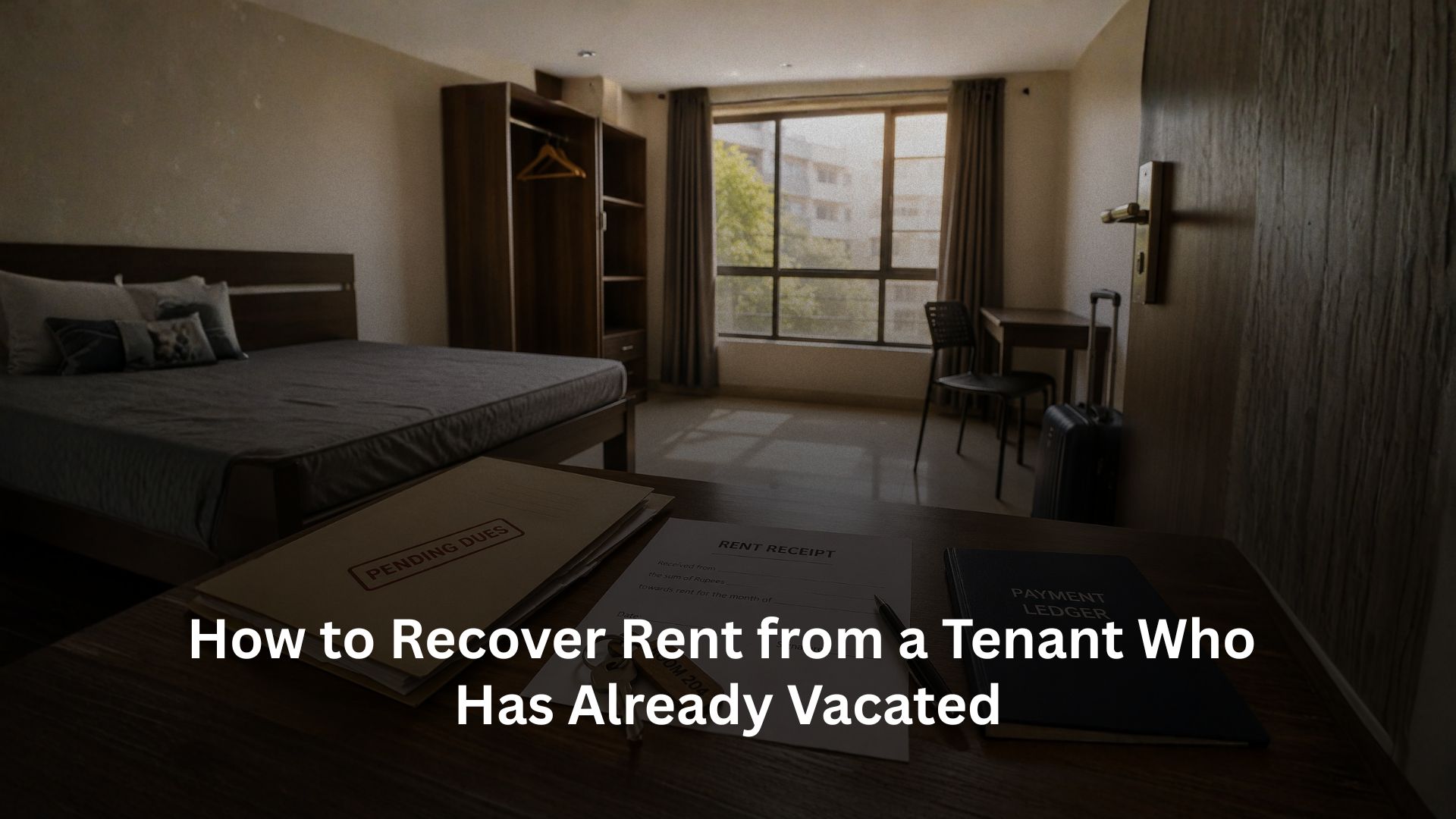
How to Recover Rent from a Tenant Who Has Already Vacated

Written by
Ishika Pannu
Read Time
14 min read
Posted on
August 5, 2026
Overview
Overview
How to Recover Rent from a Tenant Who Has Already Vacated
Recovering unpaid rent is one of the most frustrating situations a landlord or PG owner can face. Unlike a delayed payment from a current tenant, recovering dues after a tenant has already moved out is significantly more complicated. The property is vacant, communication often becomes inconsistent, and in many cases, the tenant simply stops responding altogether.
For independent landlords, this may result in a one-time financial loss. But for operators managing multiple PGs, hostels, or co-living spaces, unpaid rent can quickly turn into a recurring operational problem. Outstanding dues affect monthly cash flow, delay maintenance budgets, disrupt occupancy planning, and consume valuable time that could otherwise be spent growing the business.
The good news is that not every unpaid rent case ends in a financial loss. Recovery often depends on proper documentation and timely action. It also helps to follow a structured process instead of reacting emotionally.
Many rent recovery cases begin long before a tenant vacates the property. They usually start with missed or delayed rent payments during the tenancy. If you’re dealing with ongoing payment defaults, read our guide on How to Handle a Tenant Who Refuses to Pay Rent. It explains practical steps to resolve payment issues before they become recovery cases.
Strong documentation improves your chances of recovering unpaid rent. Keep a signed tenancy agreement, accurate payment records, and written communication with the tenant. These records strengthen your position if recovery becomes necessary.
In this guide, you’ll learn how to recover unpaid rent after a tenant has vacated. We’ll also explain when legal action is necessary and how proper records support a successful claim.
Why Recovering Rent After a Tenant Leaves Becomes So Difficult
Many landlords assume that if a tenant owes rent, recovering it should be straightforward. In reality, the situation changes completely once the tenant vacates the property.
When the tenant is still occupying the room, there are multiple opportunities to resolve the issue through regular communication, payment reminders, or negotiated settlements. Once they leave, those opportunities become limited, and the landlord often loses their strongest point of leverage.
Several operational challenges begin to appear at this stage:
- Communication becomes inconsistent. Phone calls go unanswered, WhatsApp messages remain unread, and emails may never receive a response. Without an established communication trail, even proving that payment reminders were sent can become difficult.
- Supporting documents are often incomplete. Many property owners discover too late that agreements were unsigned, payment receipts were never generated, or inventory and move-out records were poorly maintained. These gaps weaken the landlord’s position if the matter escalates.
- Outstanding dues are rarely limited to rent alone. Electricity bills, food charges, maintenance costs, damages, or notice period violations frequently surface after the tenant has vacated, making the final settlement more complicated than expected.
- Time works against the landlord. The longer recovery is delayed, the harder it becomes to establish contact, preserve evidence, and convince the tenant to clear pending dues voluntarily.
Experienced property managers know that unpaid rent is more than a payment issue. It’s also a documentation and process issue. A structured recovery approach often decides whether outstanding dues are recovered or written off as a loss.
Clear payment records from the start make rent recovery much easier. To improve your documentation, read our guide on Rent Receipt Format India: What Every Receipt Must Include. It explains how properly issued rent receipts can support disputes and final settlements.
Start With a Complete Review of the Outstanding Amount
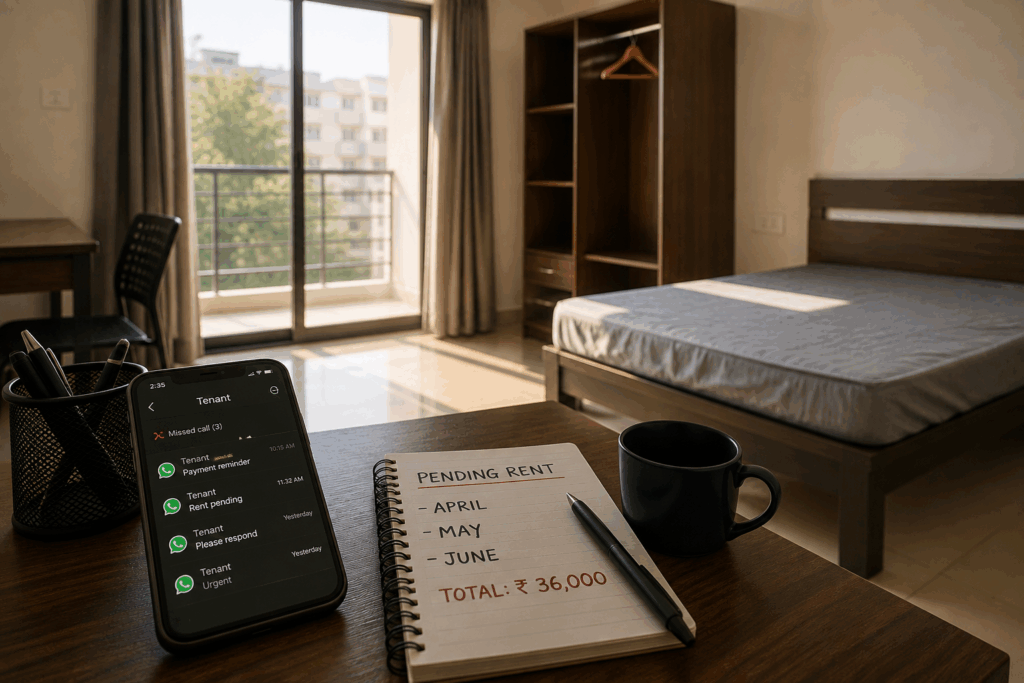
Before contacting the former tenant, take time to calculate exactly what is pending. Many disputes escalate because landlords communicate different figures at different stages, creating confusion and weakening their credibility.
A professional recovery process begins with a clear statement of account that both parties can understand.
Your calculation should include:
- Pending monthly rent, along with the exact billing period for which payment remains outstanding. Avoid quoting approximate figures and instead refer to the agreed rent mentioned in the rental agreement.
- Utility charges such as electricity, water, Wi-Fi, or other services that were the tenant’s responsibility. Supporting bills should always be available in case clarification is required.
- Food or additional service charges, if your property provides meals, laundry, housekeeping, or other paid facilities that were not cleared before move-out.
- Damage-related deductions, but only if they are supported by inspection records or photographs. Arbitrary deductions often lead to unnecessary disputes and can reduce the chances of recovering genuine dues.
Preparing this breakdown before initiating communication demonstrates professionalism and leaves little room for misunderstandings later.
Can the Security Deposit Cover the Unpaid Rent?
In many situations, the security deposit becomes the first source for recovering outstanding rent. However, landlords should avoid assuming that the entire deposit automatically belongs to them.
The purpose of a security deposit is to protect the landlord against genuine financial liabilities arising from the tenancy. Depending on the rental agreement, this may include unpaid rent, utility bills, damages, or other agreed deductions.
Before adjusting the deposit, make sure you have:
- Reviewed the rental agreement to confirm what deductions are legally permitted under the agreed terms.
- Calculated all pending dues carefully instead of making broad estimates that may later be challenged.
- Recorded the final settlement in writing so the tenant understands how the deposit has been adjusted and whether any balance remains payable.
If you’re managing deposits, notice periods, and move-outs together, read our guide on Managing Tenant Lock-in Periods Without Conflict. It explains how clear exit policies reduce disputes over security deposits and unpaid dues.
If the security deposit covers the full amount, recovery is usually straightforward. However, this is often not the case in PGs and co-living properties. Unpaid rent, utility bills, and other charges can easily exceed the deposit.
When that happens, you’ll need to recover the remaining balance separately.
Contact the Tenant Before Escalating the Matter
One of the biggest mistakes landlords make is jumping directly to legal action. While legal remedies are available, they should usually be considered after reasonable efforts have been made to resolve the matter amicably.
A professional approach often leads to faster recovery and helps preserve evidence if legal proceedings become necessary later.
Begin by sharing a detailed summary of the pending amount. Instead of sending emotional messages or making accusations, communicate the facts clearly.
Your communication should include:
- The total outstanding amount with a simple breakup of rent and other pending charges, allowing the tenant to understand exactly what is being claimed.
- A reasonable payment deadline, giving the former tenant an opportunity to clear the dues without feeling pressured by unrealistic timelines.
- A reminder of the relevant clauses in the rental agreement, particularly those relating to rent payment, notice period, or security deposit adjustments.
- A polite request for confirmation, ensuring that every response, or lack of response, becomes part of the documented communication history.
Maintaining professionalism throughout this stage is important. Many disputes are resolved simply because the landlord approaches the situation with clear documentation instead of confrontation.
Communication also plays a bigger role than many landlords realise. Sending structured payment reminders through the right channels creates a documented trail while increasing the chances of recovering dues before legal action becomes necessary. Our blog on Best Communication Channels for Property Management explores how SMS, WhatsApp, and automated notifications can improve rent collection workflows.

Why Documentation Often Decides the Outcome
When unpaid rent cases become complicated, the discussion quickly shifts from opinions to evidence.
A landlord may know that rent is pending, but if there is no agreement, no payment history, and no written communication, proving the claim becomes significantly more difficult.
On the other hand, maintaining organized records creates confidence throughout the recovery process. It also demonstrates that the claim is based on documented facts rather than assumptions.
Some of the most valuable records include:
- A signed rental agreement that clearly specifies rent, security deposit, payment due dates, notice period, and other financial responsibilities.
- Rent receipts and payment history showing which months were paid and where the default actually began.
- Communication records such as emails, WhatsApp messages, or written notices requesting payment before and after the tenant vacated.
- Move-in and move-out documentation, including inventory reports or inspection records, if additional deductions are being claimed.
Strong documentation not only improves the chances of recovering unpaid rent but also makes every subsequent step, from negotiation to legal proceedings, far more effective.
When Should You Send a Legal Notice?
If repeated reminders and follow-ups fail to produce a response, the next step is to consider sending a formal legal notice. While many landlords associate legal notices with lengthy court battles, their primary purpose is often much simpler, they formally communicate your claim, outline the amount due, and give the tenant one final opportunity to settle the matter before legal proceedings begin.
A legal notice also demonstrates that the landlord has followed a fair and documented recovery process. If the matter eventually reaches court, this communication can strengthen your case by showing that reasonable efforts were made to resolve the dispute outside litigation.
Before issuing a legal notice, ensure that you have:
- Verified the exact outstanding amount by cross-checking rent records, utility bills, security deposit adjustments, and any additional service charges. A notice containing inaccurate calculations can weaken your position.
- Collected all supporting documents, including the rental agreement, payment history, rent receipts, communication records, and any acknowledgements exchanged during the tenancy.
- Maintained a timeline of events, starting from the first missed payment to the tenant’s move-out date and subsequent follow-ups. A chronological record makes the case easier to understand if legal action becomes necessary.
- Consulted a legal professional, particularly if the amount involved is substantial or the tenancy includes complex contractual clauses. While many disputes are resolved after a legal notice, professional advice ensures that the notice complies with applicable laws.
Many unpaid rent cases are resolved soon after a formal legal notice is issued. It shows the tenant that the matter is officially documented and often encourages a settlement before court action.
Before taking legal action, review our guide on How a Simple Tenant Dispute Froze a PG Owner’s Bank Account. It explains how poor documentation can turn a routine dispute into a serious legal problem.
Common Mistakes That Make Rent Recovery More Difficult
Recovering unpaid rent is challenging enough without avoidable mistakes making the process even harder. Unfortunately, many landlords unintentionally weaken their own position by relying on verbal agreements, incomplete records, or emotional decision-making.
Some of the most common mistakes include:
- Allowing tenants to move out without completing a final settlement. Once possession has been handed over and keys have been returned, recovering pending dues becomes considerably more difficult because your immediate leverage is gone.
- Failing to document communication. Phone calls may resolve issues temporarily, but they leave no formal record. Important payment reminders, settlement discussions, and acknowledgements should always be documented through written communication.
- Not generating rent receipts consistently. Even if payments are made online, maintaining proper receipts creates a clear financial trail that becomes valuable during disputes.
- Making arbitrary deductions from the security deposit. Every deduction should be supported by the rental agreement or documented evidence. Unexplained deductions often shift the focus from unpaid rent to disputes over deposit refunds.
- Waiting too long before taking action. Many landlords assume the tenant will eventually pay voluntarily. Delayed follow-ups often reduce the likelihood of recovery as contact becomes weaker and records become harder to organize.
Avoiding these mistakes doesn’t just improve recovery outcomes, it also makes property operations more professional and predictable.
Many of these situations can actually be prevented during the onboarding stage itself. A structured onboarding process ensures agreements, KYC, payment records, and tenant communication are all documented before the tenancy begins. If you’re still managing onboarding manually, our guide on Seamless Digital Tenant Onboarding with RentOk walks through a more organised approach.

How to Reduce the Chances of Future Rent Recovery Disputes
While no landlord can eliminate the possibility of payment defaults entirely, a well-managed rental process significantly reduces the risk of unpaid rent after move-out.
The strongest rental businesses focus on prevention rather than recovery. Instead of relying solely on legal remedies, they build systems that create transparency throughout the tenancy.
Some best practices include:
- Use a detailed rental agreement that clearly defines rent amount, payment due dates, notice periods, security deposit conditions, and responsibilities of both parties. Ambiguity in agreements often becomes the root cause of disputes later.
- Maintain digital payment records for every transaction. Consistent payment histories make it easy to identify defaults and calculate outstanding balances accurately.
- Issue rent receipts for every payment received. Apart from improving transparency, receipts provide documentary evidence if disagreements arise during the final settlement.
- Conduct a structured move-out process that includes room inspection, inventory verification, pending utility reconciliation, and a written settlement summary before returning the security deposit.
- Automate payment reminders so tenants receive timely notifications before dues accumulate into larger outstanding amounts. Regular reminders often prevent defaults that arise simply because payments are forgotten or delayed.
Building these operational habits not only protects revenue but also improves trust between landlords and tenants by ensuring every financial transaction is documented properly.
How RentOk Helps Simplify Rent Recovery
Recovering unpaid rent becomes much easier when every transaction, agreement, and communication is already documented in one place. Unfortunately, many landlords still rely on spreadsheets, handwritten registers, scattered WhatsApp chats, and manual payment tracking, making it difficult to establish a clear financial history when disputes arise.
RentOk helps landlords and property managers create a structured record of every tenancy by centralizing rent collection, payment tracking, digital receipts, tenant records, and financial documentation within a single platform. This makes it easier to identify outstanding dues, maintain complete payment histories, and generate supporting records whenever a recovery process begins.
For growing PGs, hostels, and co-living businesses, these records also create a reliable audit trail that supports professional communication, transparent settlements, and stronger documentation if legal action ever becomes necessary. Instead of searching through multiple systems for evidence, operators can access organized financial records that simplify both day-to-day management and exceptional situations like unpaid rent recovery.
Conclusion
Recovering unpaid rent after a tenant has vacated is never just about collecting pending dues. It is about having the right systems in place before a dispute ever arises. From well-drafted rental agreements and consistent payment tracking to documented communication and timely follow-ups, every step strengthens your position if rent recovery becomes necessary.
While legal remedies are available, they are often most effective when supported by accurate records and a clear financial trail. Property owners who invest in organized documentation not only improve their chances of recovering unpaid rent but also reduce the likelihood of similar disputes in the future.
Want to create professional rent receipts and maintain a complete payment history for every tenant? Try RentOk’s Rent Receipt Generator to generate accurate, downloadable rent receipts in minutes and build stronger financial records that simplify rent management and future recovery.
Frequently Asked Questions
Find answers to common questions about this topic
About the Author
Ishika Pannu
Ishika Pannu brings you the latest insights and easy-to-apply strategies in property management—helping you simplify renting and grow with RentOk.
You may also like these
Related Articles
1 min read
Is a Notarised Rent Agreement Enough, or Do I Need to Register It?
Written by
Posted on
Ishika Pannu
Oct 5, 2026

1 min read
Which Indian Cities Still Fall Under Old Rent Control Laws?
Written by
Posted on
Ishika Pannu
Oct 3, 2026

1 min read
Managing Rental Property in India as an NRI Landlord
Written by
Posted on
Ishika Pannu
Oct 1, 2026
1 min read
What Documents Do I Actually Need Before Handing Over My Rental Property?
Written by
Posted on
Ishika Pannu
Sep 30, 2026

1 min read
Is a Verbal Rental Agreement Legally Valid in India?
Written by
Posted on
Ishika Pannu
Sep 24, 2026
1 min read
What Can I Do If My Tenant Stops Paying Rent?
Written by
Posted on
Ishika Pannu
Sep 23, 2026

1 min read
How to Check If Your PG or Hostel is Legally Registered in India
Written by
Posted on
Ishika Pannu
Sep 20, 2026
1 min read
How to Negotiate Rent and Maintenance Terms Before Signing
Written by
Posted on
Ishika Pannu
Sep 19, 2026

1 min read
What Your Landlord Can and Cannot Store From Your KYC Documents
Written by
Posted on
Ishika Pannu
Sep 19, 2026
1 min read
Why a Digital Rent Agreement Is Just as Legally Valid as a Paper One
Written by
Posted on
Ishika Pannu
Sep 18, 2026
Stay ahead in property management with expert insights
Join thousands of property managers receiving exclusive tips delivered straight to your inbox.
Browse posts by category
Case Study
Cost of Living
Growth
Legal
Market Trends
News
Pg owner app
Property Management
Property Tax
Tech
RentOk
The easiest way to rent and manage your PGs and hostels.
Grievance Officer
Get the app


Contact us
hello@eazyapp.tech
HQ Office
COGROW, BASEMENT F-12/8A
BESIDE HOUSE OF STYLE SALON, SECTOR 28, DLF PHASE 1
GURUGRAM, HARYANA - 122002
South India Office
LUMIODESK COWORKING, 2ND FLOOR, 40, 14TH MAIN RD
BESIDE MC DONALD, 7TH SECTOR, HSR LAYOUT
BENGALURU, KARNATAKA - 560102
©️ 2026 EazyApp Tech Pvt Ltd. All rights reserved


