
Legal
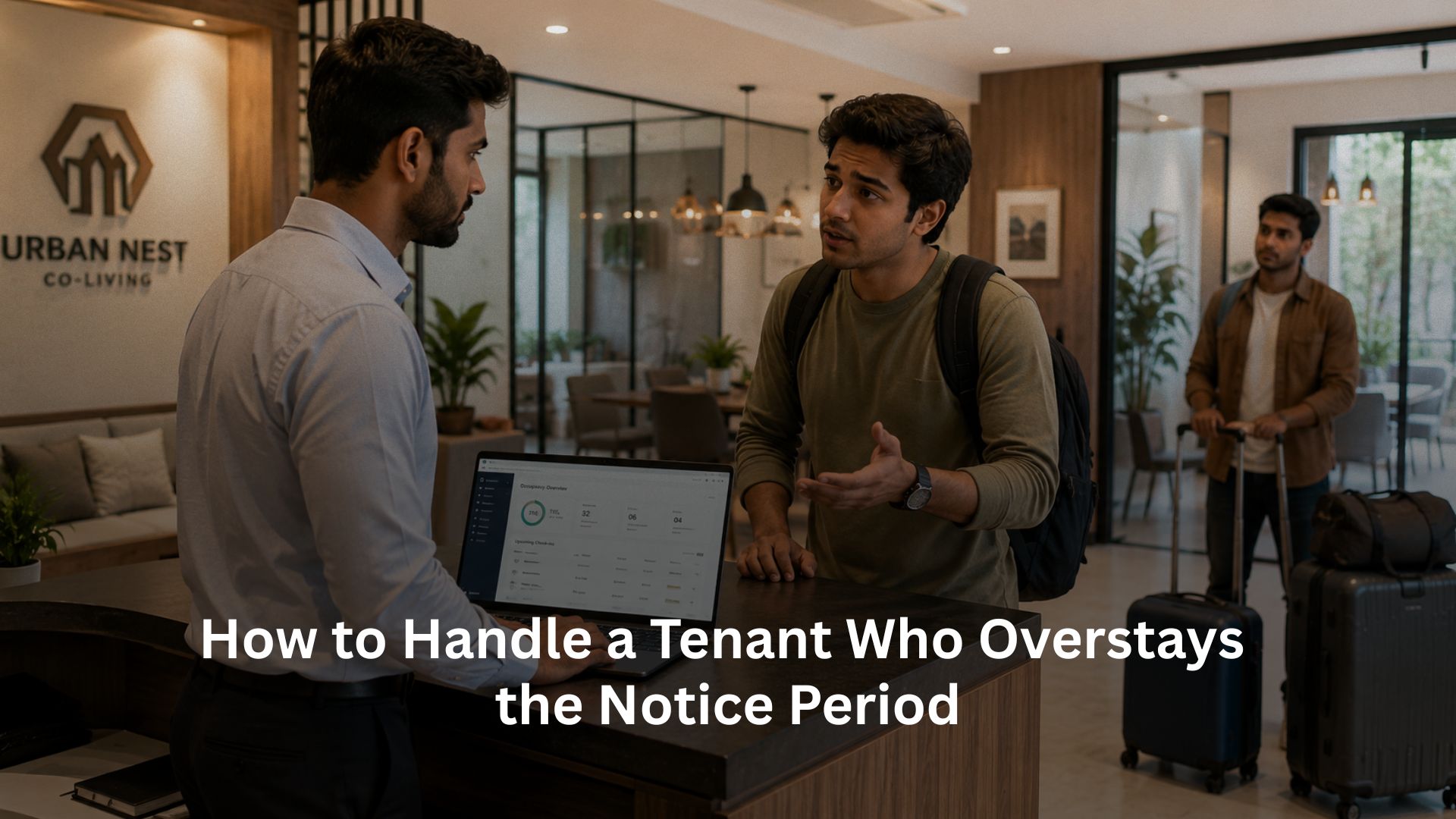
How to Handle a Tenant Who Overstays the Notice Period

Written by
Ishika Pannu
Read Time
12 min read
Posted on
July 22, 2026
Overview
Overview
How to Handle a Tenant Who Overstays the Notice Period
A tenant serves their notice, you schedule the room for cleaning, confirm the next booking, and everything seems on track. Then comes the message: “Can I stay just a few more days?” Those few days often turn into a week, or longer.
For PG owners and property managers, a tenant overstaying the notice period is more than a minor inconvenience. It can delay room turnover, disrupt maintenance schedules, force you to postpone confirmed move-ins, and impact your monthly cash flow. In a business where occupancy and timing directly affect revenue, even a short overstay can create a chain reaction of operational problems.
The biggest mistake many operators make is handling these situations informally. Conversations happen over WhatsApp, move-out dates change verbally, and there is no written record of what was agreed upon. When disagreements arise, resolving them becomes difficult because expectations were never documented clearly.
The truth is, most overstay disputes don’t start at move-out, they start much earlier. If tenants aren’t informed about notice periods, move-out timelines, security deposit policies, and house rules during onboarding, misunderstandings are almost inevitable.
That’s why having a structured onboarding process is just as important as having a clear exit policy. In our guide on How to Onboard a New Tenant in Under 10 Minutes, we explain how setting expectations from day one helps reduce disputes, improve communication, and create a smoother experience for both tenants and property managers.
Instead of reacting emotionally when a tenant overstays, professional operators rely on documented agreements, consistent communication, and well-defined policies. A clear process not only makes difficult conversations easier but also protects your occupancy, revenue, and reputation, while maintaining a professional relationship with your tenants.
Why Do Tenants Overstay the Notice Period?
Contrary to popular belief, not every tenant intentionally refuses to vacate a property. In many cases, tenants overstay because of poor planning, unexpected circumstances, or miscommunication with the property manager.
Understanding the reason behind the delay helps property owners and managers respond appropriately instead of treating every overstay as a deliberate violation.
Some of the most common reasons include:
- The tenant’s new accommodation is not ready. Delays in possession, unfinished renovations, or last-minute cancellations can leave tenants with nowhere to move immediately, prompting them to request an extension.
- Job transfers or travel plans change unexpectedly. Working professionals may receive revised joining dates or relocation instructions, while students may postpone their departure due to examinations or admission schedules.
- The tenant misunderstands the notice period. In many properties, notice period terms are mentioned during onboarding but never explained properly. As a result, tenants may assume they can extend their stay simply by informing the owner a few days in advance.
- Communication breaks down during the move-out process. If neither side confirms the final move-out date, misunderstandings can continue until the original notice period has already expired.
- Financial disputes delay the exit. Pending security deposit discussions, unpaid dues, or disagreements regarding deductions sometimes discourage tenants from vacating the property on time.
Professional rental businesses reduce these issues by explaining notice periods, security deposit rules, and move-out procedures during onboarding instead of relying only on the rental agreement. When tenants understand the process before they move in, both parties experience fewer misunderstandings during move-out.
If you’re reviewing your exit policies, you may also find our guide on Managing Tenant Lock-in Periods Without Conflict useful. It explains how transparent onboarding and well-defined policies help prevent disputes long before a tenant decides to move out.

The First Response Matters More Than Most Owners Think
One of the biggest mistakes property owners make is treating every overstay as deliberate misconduct. While it is understandable to feel frustrated, especially when another tenant is scheduled to move in, responding aggressively often makes the situation harder to resolve.
Instead, the first conversation should focus on understanding the reason for the delay while reminding the tenant of the agreed notice period and the impact that an extended stay has on property operations.
A professional response generally includes three elements:
- Acknowledging the tenant’s situation without immediately agreeing to an extension. This keeps the conversation constructive while allowing both parties to discuss possible solutions.
- Referring to the signed agreement and documented notice period. Keeping the discussion based on written terms rather than verbal assumptions helps avoid unnecessary arguments.
- Clearly explaining the operational impact of the overstay. Incoming bookings, housekeeping schedules, maintenance work, and occupancy planning often depend on rooms becoming available on time. Helping tenants understand this context can encourage cooperation.
Many disputes are resolved at this stage because the conversation remains factual instead of emotional.
At the same time, every discussion should be documented. Whether the communication happens through email, WhatsApp, or another platform, maintaining written records ensures there is a clear timeline if the matter later requires formal action.
As rental operations grow, relying on memory or scattered chats becomes increasingly risky. A structured communication process not only protects the owner but also demonstrates professionalism, making it easier to resolve disagreements fairly.
What Are Your Legal Options When a Tenant Refuses to Vacate?
When a tenant refuses to vacate after the notice period ends, legal action may seem like the obvious next step. However, court should usually be your last resort. In many cases, clear communication, proper documentation, and a well-drafted rental agreement can resolve the issue.
Start by reviewing your rental or PG agreement. It should clearly define the notice period, move-out obligations, overstay clauses, and the responsibilities of both parties. A signed agreement strengthens your position if the dispute escalates.
Next, organize all tenancy records, including:
- The tenant’s notice and your acknowledgment of the move-out date.
- Emails, WhatsApp chats, or written communication about extension requests or refusal to vacate.
- Rent payment history, pending dues, and security deposit records.
- The signed rental or PG agreement.
Strong documentation supports your case and demonstrates that you handled the tenancy professionally from the beginning.
Good recordkeeping starts before disputes arise. Store agreements, KYC documents, and tenant communication in one place to simplify conflict resolution and prepare for legal proceedings if needed. If you still manage records manually, read our guide on How to Maintain Tenant KYC Records Digitally to learn how digital documentation reduces legal and operational risks.
If discussions fail, send a formal legal notice asking the tenant to vacate within a specified timeframe. Many disputes end at this stage.
If the tenant still refuses to leave, consult a legal professional and follow your state’s eviction process. Avoid changing locks, disconnecting utilities, or removing the tenant’s belongings without legal authorization. Following the proper legal process protects your property, safeguards your rights, and helps you avoid unnecessary legal complications.
Common Mistakes That Often Make the Situation Worse
Interestingly, many overstay disputes become more complicated not because the tenant refuses to leave, but because the response from the property owner lacks consistency. Decisions made in frustration often create unnecessary conflict that could have been avoided with a structured approach.
Professional operators focus on protecting their operations without allowing emotions to dictate their actions.
Some of the most common mistakes include:
- Changing policies midway through the discussion. Agreeing to one extension over a phone call and later demanding immediate eviction creates confusion and weakens your position if the matter escalates.
- Relying entirely on verbal conversations. Without written records, both parties may remember events differently, making it difficult to establish what was actually agreed upon.
- Threatening illegal actions out of frustration. Locking the room, removing belongings, disconnecting utilities, or intimidating tenants may expose the owner to unnecessary legal risks while damaging the property’s reputation.
- Ignoring the issue until the last minute. Many owners wait until after the notice period has already expired before initiating discussions. By then, incoming bookings, room preparation, and occupancy planning have already been affected.
- Applying the same solution to every case. A tenant delaying their move-out by two days due to an unforeseen emergency should not necessarily be handled the same way as someone deliberately refusing to vacate for weeks despite repeated communication.
The strongest property managers understand that consistency is often more effective than aggression. When tenants know that policies are applied fairly and transparently across the property, disputes tend to reduce significantly over time.
This principle also extends to communication. Our blog on Best Communication Channels for Property Management explains how structured communication systems reduce misunderstandings around important events like rent reminders, maintenance updates, and move-outs by ensuring information is delivered through the right channel at the right time.

When Should You Consider Legal Action?
Not every overstay requires legal intervention, but there are situations where continuing informal discussions no longer serves either party. Knowing when to transition from negotiation to formal action is important for protecting your property and maintaining operational stability.
Legal action should generally be considered when:
- The tenant repeatedly ignores written communication despite multiple reminders and reasonable opportunities to discuss the matter.
- The overstay is preventing confirmed move-ins, resulting in revenue loss, occupancy disruption, or reputational damage because incoming tenants can no longer be accommodated as promised.
- Outstanding rent or utility dues continue increasing, with no indication that the tenant intends to clear payments or vacate voluntarily.
- The tenant disputes contractual terms despite a clearly signed agreement, making it difficult to reach a mutual resolution through discussion alone.
Before taking legal action, consult a legal professional. Since tenancy and eviction laws vary by state, following the correct legal process protects your rights and helps avoid unnecessary complications.
Experienced PG owners treat legal action as a last resort, only after communication and documented efforts have failed.
Unresolved tenant disputes can sometimes lead to far bigger problems than delayed move-outs. In our case study, How a Simple Tenant Dispute Froze a PG Owner’s Bank Account, we explain how clear documentation and structured processes can help protect your business from legal and financial risks.
Preventing Tenant Overstay Starts Long Before Move-Out
The easiest overstay dispute to manage is the one that never happens. Most successful rental businesses reduce these situations by creating clarity throughout the tenant lifecycle rather than addressing problems only when someone decides to leave.
A proactive approach generally includes a combination of clear documentation, consistent communication, and structured operational processes.
Some best practices include:
- Explain the notice period during onboarding instead of simply mentioning it in the agreement. When tenants understand how the process works, they are less likely to make assumptions later.
- Send reminders well before the notice period ends. Advance communication gives tenants enough time to plan their relocation while allowing management to prepare for the next occupancy cycle.
- Maintain accurate records of agreements, payments, and communication. Centralized documentation reduces confusion and ensures everyone refers to the same information.
- Plan room inspections and move-out formalities in advance. Scheduling inspections, security deposit assessments, and key handovers early creates a smoother exit process for both parties.
- Standardize your move-out workflow across all properties. Consistent processes improve operational efficiency and reduce the likelihood of disputes arising from inconsistent practices.
Preventing overstays is all about creating predictability through clear communication, timely reminders, and transparent documentation.
It also depends on effective occupancy planning. When you know exactly when tenants are moving out and new residents are scheduled to move in, you can reduce vacancy gaps and avoid last-minute conflicts. Our guide on How to Track Booking and Upcoming Tenants explains how better occupancy planning makes tenant transitions smoother and more efficient.

How RentOk Helps You Manage Tenant Move-outs
Managing notice periods manually becomes increasingly difficult as occupancy grows. Agreements are stored in one place, payment records in another, and conversations happen across multiple WhatsApp chats or phone calls. When a tenant overstays, finding the right information quickly often becomes the biggest challenge.
RentOk helps property owners and PG operators streamline the entire tenant lifecycle by centralizing critical operational workflows, including tenant agreements, payment records, occupancy tracking, notice period visibility, and move-in or move-out coordination. Instead of relying on scattered spreadsheets or manual follow-ups, operators have complete visibility into tenant history, pending dues, documented communication, and occupancy timelines from a single platform.
This structured approach not only reduces disputes but also makes move-outs more organized, helping operators prepare rooms for new tenants, maintain occupancy consistency, and handle notice period discussions with greater confidence.
If you’re looking to improve overall tenant management, you can also explore RentOk’s videos on property operations and rental management best practices on the official YouTube channel, where practical tips and product walkthroughs are shared regularly.
Conclusion
A tenant overstaying the notice period is rarely an isolated incident. It often exposes gaps in communication, documentation, onboarding, or operational processes that have existed long before the move-out date. While legal remedies remain available when necessary, most disputes can be resolved much earlier through clear agreements, timely communication, and consistent property management practices.
As your rental business grows, relying on manual records and informal conversations becomes increasingly difficult. A structured system not only helps resolve notice period disputes more efficiently but also improves occupancy planning, tenant communication, and day-to-day operations across the property.
Looking for a smarter way to manage tenant agreements, track notice periods, streamline move-outs, and reduce operational disputes? Schedule a demo with RentOk and discover how one centralized property management platform can simplify every stage of the tenant lifecycle.
Frequently Asked Questions
Find answers to common questions about this topic
About the Author
Ishika Pannu
Ishika Pannu brings you the latest insights and easy-to-apply strategies in property management—helping you simplify renting and grow with RentOk.
You may also like these
Related Articles
1 min read
Is a Notarised Rent Agreement Enough, or Do I Need to Register It?
Written by
Posted on
Ishika Pannu
Oct 5, 2026

1 min read
Which Indian Cities Still Fall Under Old Rent Control Laws?
Written by
Posted on
Ishika Pannu
Oct 3, 2026

1 min read
Managing Rental Property in India as an NRI Landlord
Written by
Posted on
Ishika Pannu
Oct 1, 2026
1 min read
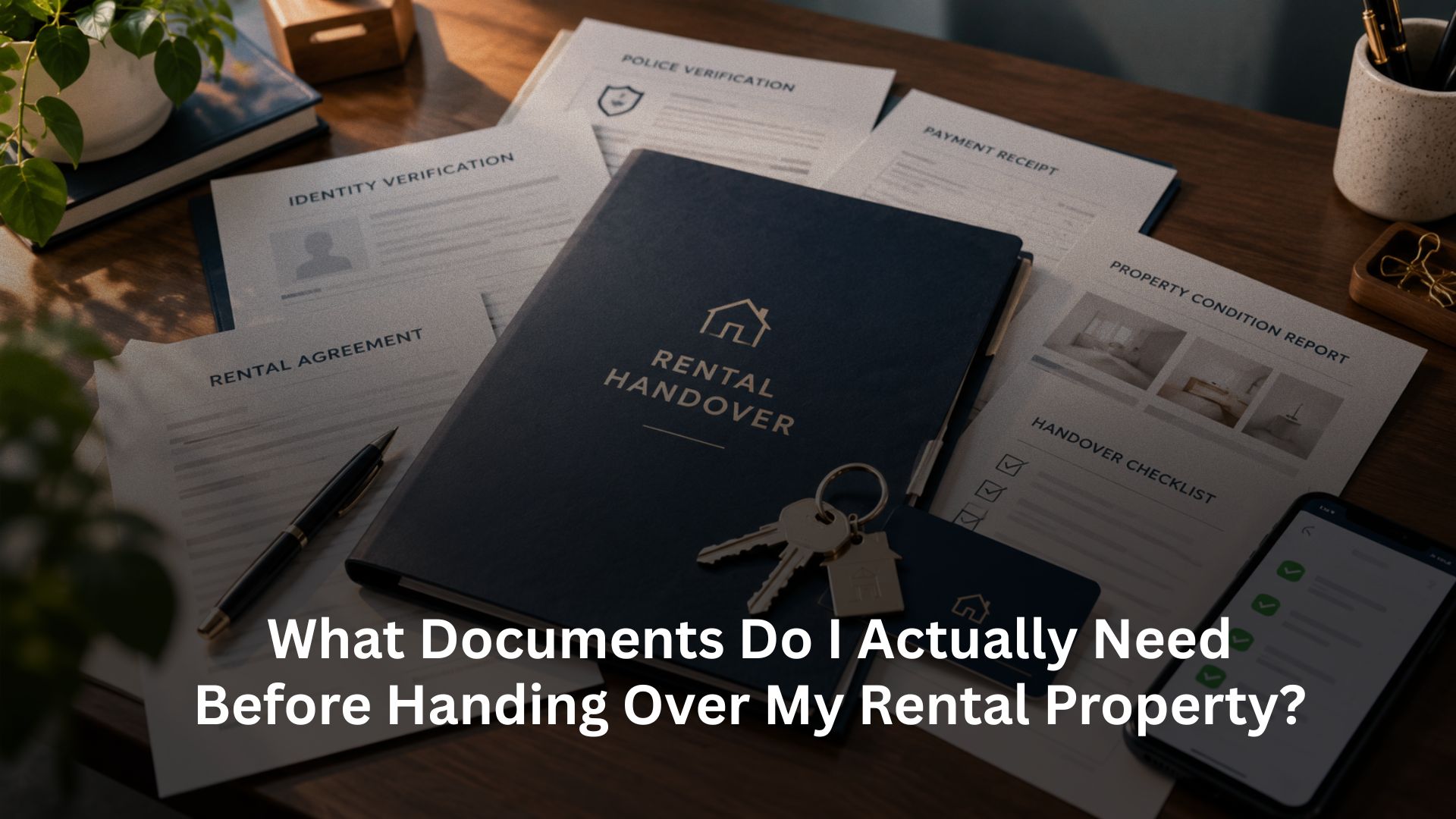
What Documents Do I Actually Need Before Handing Over My Rental Property?
Written by
Posted on
Ishika Pannu
Sep 30, 2026
1 min read
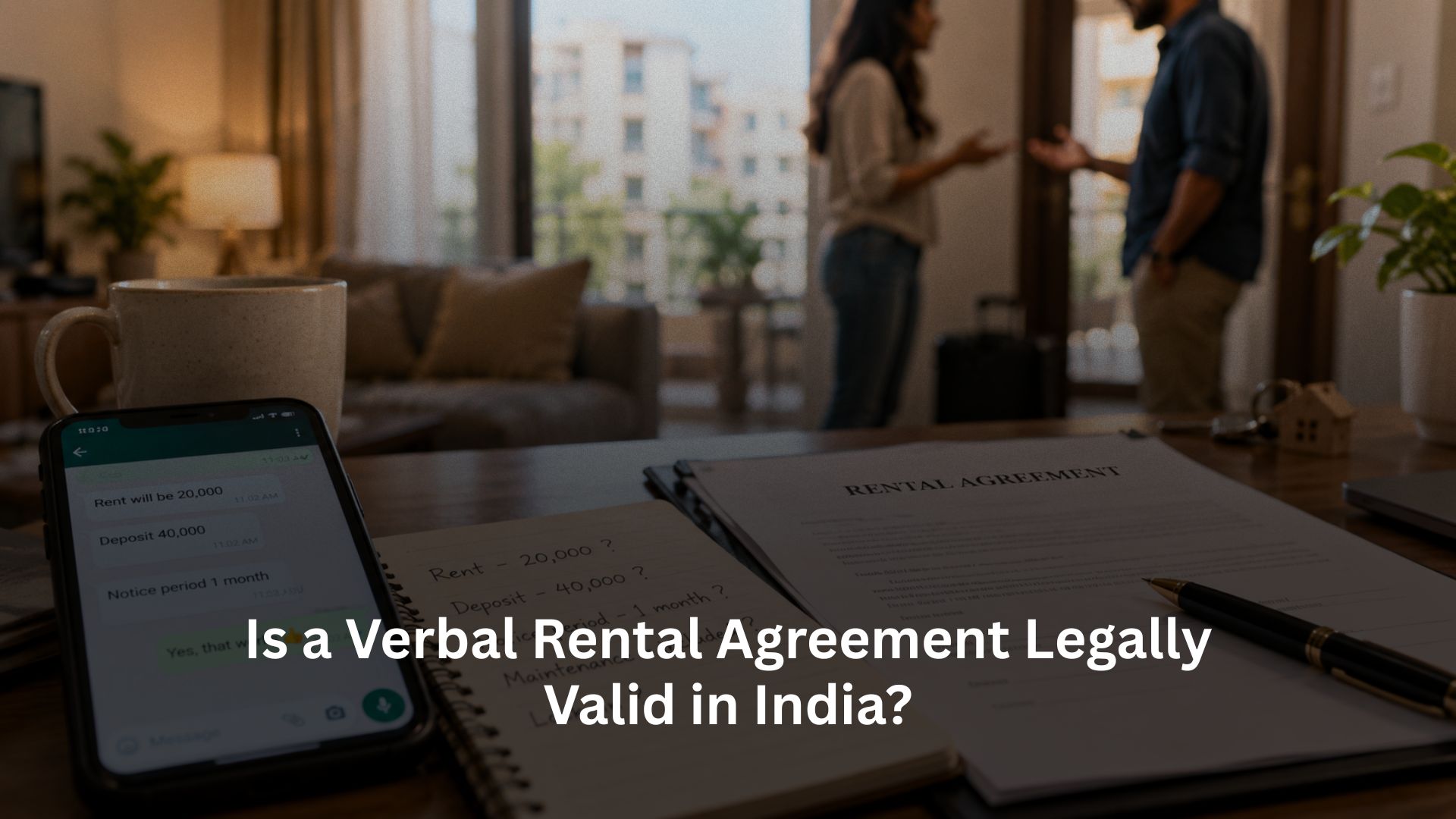
Is a Verbal Rental Agreement Legally Valid in India?
Written by
Posted on
Ishika Pannu
Sep 24, 2026
1 min read
What Can I Do If My Tenant Stops Paying Rent?
Written by
Posted on
Ishika Pannu
Sep 23, 2026

1 min read
How to Check If Your PG or Hostel is Legally Registered in India
Written by
Posted on
Ishika Pannu
Sep 20, 2026
1 min read
How to Negotiate Rent and Maintenance Terms Before Signing
Written by
Posted on
Ishika Pannu
Sep 19, 2026

1 min read
What Your Landlord Can and Cannot Store From Your KYC Documents
Written by
Posted on
Ishika Pannu
Sep 19, 2026
1 min read
Why a Digital Rent Agreement Is Just as Legally Valid as a Paper One
Written by
Posted on
Ishika Pannu
Sep 18, 2026
Stay ahead in property management with expert insights
Join thousands of property managers receiving exclusive tips delivered straight to your inbox.
Browse posts by category
Case Study
Cost of Living
Growth
Legal
Market Trends
News
Pg owner app
Property Management
Property Tax
Tech
RentOk
The easiest way to rent and manage your PGs and hostels.
Grievance Officer
Get the app


Contact us
hello@eazyapp.tech
HQ Office
COGROW, BASEMENT F-12/8A
BESIDE HOUSE OF STYLE SALON, SECTOR 28, DLF PHASE 1
GURUGRAM, HARYANA - 122002
South India Office
LUMIODESK COWORKING, 2ND FLOOR, 40, 14TH MAIN RD
BESIDE MC DONALD, 7TH SECTOR, HSR LAYOUT
BENGALURU, KARNATAKA - 560102
©️ 2026 EazyApp Tech Pvt Ltd. All rights reserved


